Ruby Gentry
1952
No user ratings available yet
Representation score: 1.0 out of 10
Representation Score
Minimal
1951
NRDirector
Robert Stevenson
Runtime
70 minutes
Average Rating
No ratings yetNew Showbiz Analysis
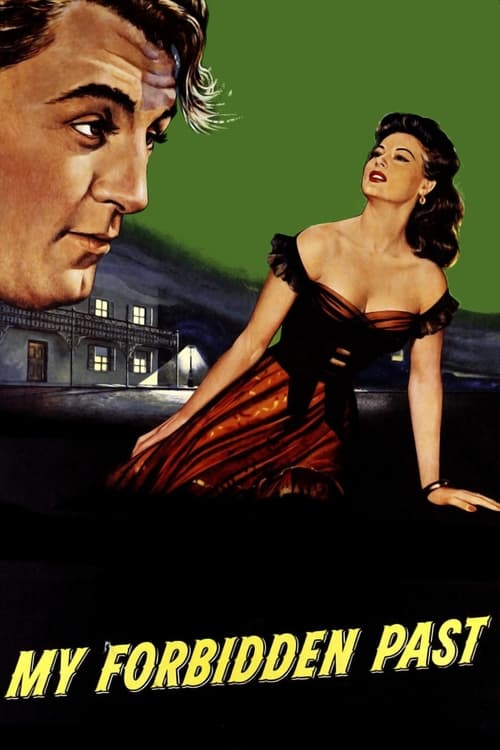
My Forbidden Past is a period melodrama that adheres strictly to the conventional social and moral frameworks of 1950s Hollywood. The narrative prioritizes romantic conflicts and the reinforcement of established hierarchies over any critical examination of societal structures. The focus remains localized and homogeneous. While the female protagonist exhibits tactical skills, she uses them to navigate rather than challenge traditional gender and class expectations. Overall, the work lacks depth in representing diverse identities and social dynamics, favoring a traditional studio-era structure centered on white, heterosexual social norms.
Category Breakdown
The film focuses solely on heterosexual relationships and traditional marriages. There is no indication of LGBTQ+ themes or non-cisgender identities.
Barbara uses her strategic skills to manipulate situations, but her actions ultimately support a male character. The male lead remains the emotional focal point of the story.
The storyline centers around white aristocracy in 1890s New Orleans. Despite having Clarence Muse in the cast, the narrative emphasizes the social hierarchy among white characters.
The story upholds Western social norms concerning class and marriage. It prioritizes moral accountability and the maintenance of established social orders.
The film does not include any characters with visible or invisible disabilities that play a central role in the plot or character development.
Present on Screen
Limited or Absent
Official Synopsis
An 1890s New Orleans heiress tries to buy a married doctor's love with her tainted family fortune.
1952
1935
1952
1945
1934
1938
1961
1953
No reviews yet. Be the first to share your thoughts on this movie!
Use the rating form above to leave a star rating and optional review.