Aleksa Dundic
1958
No user ratings available yet
Diversity score: 5.1 out of 10
1992
Director
Paul Turner
Runtime
123 minutes
Average Rating
No ratings yetSynopsis
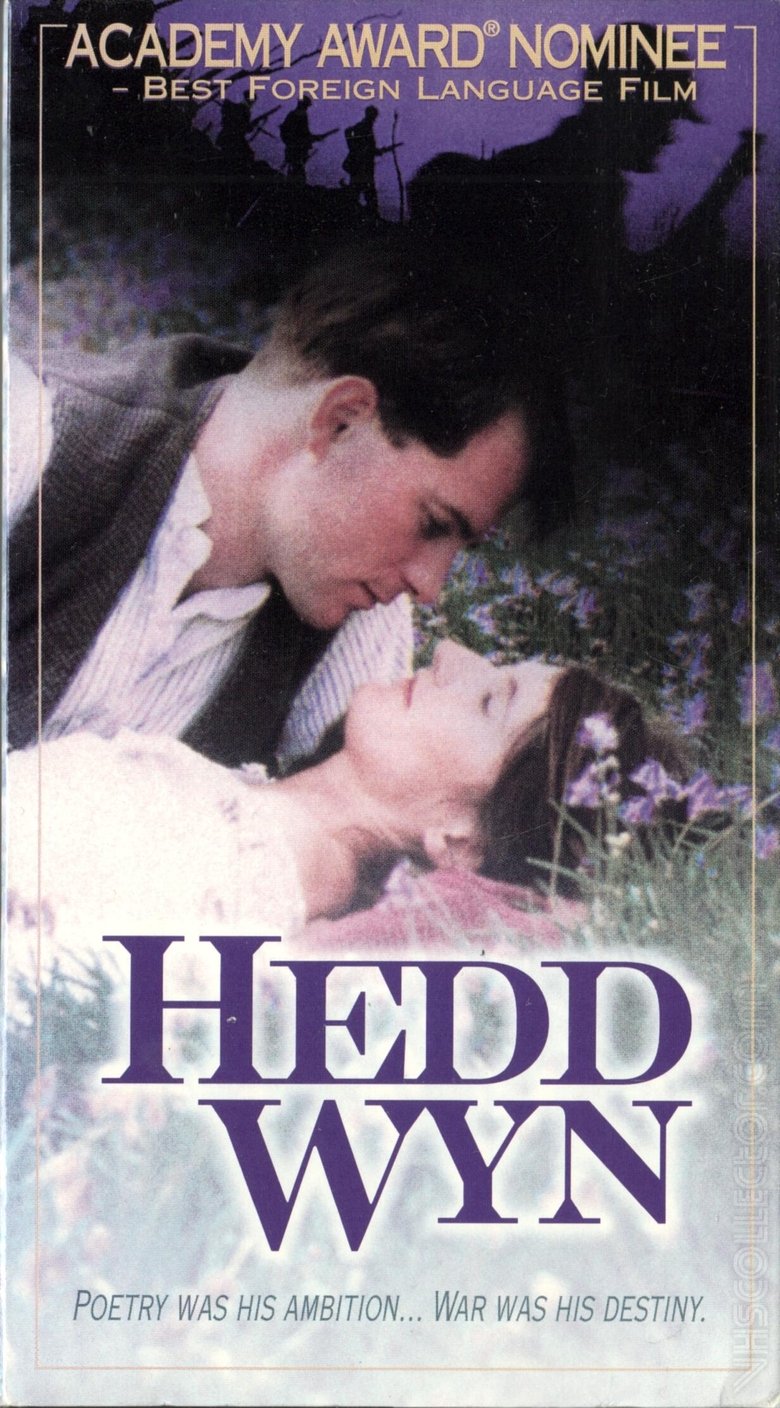
'Hedd Wyn' is a 1992 Welsh anti-war biopic. Ellis Humphrey Evans, a farmer's son and poet living at Trawsfynydd in the Meirionydd countryside of upland Wales, competes for the most coveted prize of all in Welsh Poetry - that of the chair of the National Eisteddfod, which in August 1917 was due to be held in Birkenhead (one of the rare occasions when it was held in England). After submitting his entry, under his bardic name "Hedd Wyn" ("Blessed Peace") Evans later departs from Meirionydd by train to join the Royal Welsh Fusiliers in Liverpool, despite his initial misgivings about the war. Ellis is sent to fight in the trenches of Flanders. 'Hedd Wyn' was the first Welsh-language film to be nominated for an Oscar.
Overall Score
Fair
Category Breakdown
LGBTQ+ Representation
The film adheres to the historical and social constraints of early 20th-century rural Wales. It focuses on traditional romantic and familial structures, with no depiction of non-heteronormative identities.
Gender Representation
Gender dynamics reflect the traditional hierarchies of the era. The narrative portrays conventional period roles without attempting to subvert masculine or feminine archetypes.
Racial & Ethnic Diversity
The film excels in depicting ethnic and linguistic identity by centering a Welsh-language narrative. It highlights the tension between the Welsh minority and the British military machine.
Religious & Cultural Diversity
The story prioritizes the sanctity of language and local tradition over state mandates. It critiques how imperial conflict disrupts organic community and cultural continuity.
Disability Representation
There is no significant focus on visible or invisible disabilities. Characters with disabilities are not utilized as central plot devices within the narrative.
Strengths
Areas for Improvement
AI Analysis
Hedd Wyn is a specialized work of cultural cinema that prioritizes linguistic and regional identity over broad demographic variety. It succeeds in challenging the traditional heroic war trope by focusing on the tragic loss of intellectual and cultural life. The film provides a sophisticated critique of imperial hegemony and the destructive nature of the Great War. It frames the conflict as a force that threatens to silence the Welsh voice and absorb minority autonomy into a larger political entity. However, the film lacks representation regarding LGBTQ+ identities and gender subversion. It remains firmly rooted in the social structures and traditional hierarchies of the early 1900s.
1958
1918
2002
1956
1978
2014
1962
1919
2012

2017
1967
1979
No reviews yet. Be the first to share your thoughts on this movie!
Use the rating form above to leave a star rating and optional review.