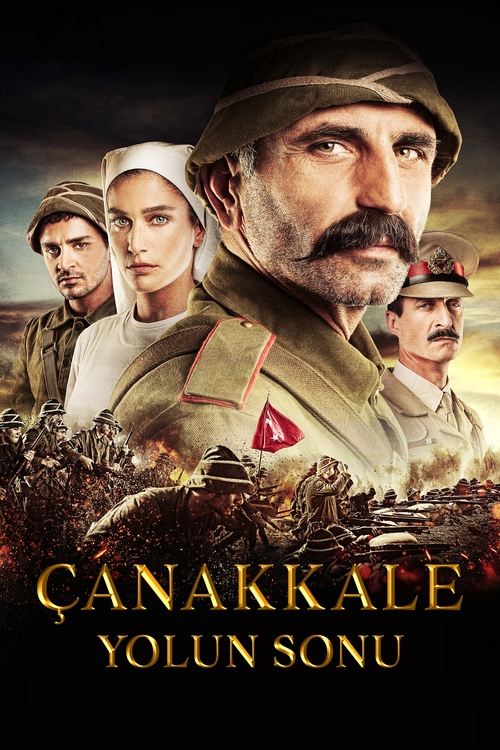
Gallipoli: End of the Road
2013
No user ratings available yet
Representation score: 1.2 out of 10

Representation Score
Minimal
2012
Director
Yeşim Sezgin
Runtime
0 minutes
Average Rating
No ratings yetNew Showbiz Analysis
Çanakkale 1915 functions as a traditional nationalist epic centered on the Gallipoli Campaign. The film prioritizes historical reconstruction and the preservation of sovereign identity over identity-based subversion or progressive frameworks. The narrative structure reinforces established cultural archetypes, specifically focusing on masculine wartime roles and patriotic resilience. It serves as a celebration of national continuity rather than a critique of social institutions. Because the film adheres to conventional historical and gendered depictions, it lacks multi-layered depth or the representation of underrepresented identities.
Category Breakdown
The film does not include any LGBTQ+ characters or narratives that challenge the assumption that everyone is straight or cisgender. The historical setting and focus on military mobilization suggest a narrative centered on traditional social structures.
The story emphasizes traditional masculine leadership through figures like Sergeant Mehmet Ali and Corporal Seyit. It focuses on male-driven combat and command without challenging gender hierarchies.
The narrative centers on a Turkish national struggle against Allied forces. While it provides a non-Western perspective, the portrayal of the Ottoman forces appears largely homogeneous.
This is a traditionalist account celebrating patriotism and national resilience. The focus remains on the defense of the homeland and the preservation of national sovereignty.
There is no information regarding the depiction of physical or neurodivergent disabilities. While war often involves injury, no characters are shown possessing a significant role in driving the story through disability.
Present on Screen
Limited or Absent
Official Synopsis
The story of the film is about the Gallipoli Campaign during World War I on the Gallipoli Peninsula in Turkey in 1915. The film covers the resurrection of Turkey following its defeat in the Balkan War, through depictions of Sergeant Mehmet Ali (Ali Ersan Duru) from Biga, Corporal Seyit and many others. To help Russia and threaten Constantinople, the Allies try to force through the Dardanelles Straight with a large fleet. Through a series of historical sketches, the film documents how they were defeated despite many difficulties and hardships.
2013
1961
2018

2016
2006
2001
1928

1981
No reviews yet. Be the first to share your thoughts on this movie!
Use the rating form above to leave a star rating and optional review.