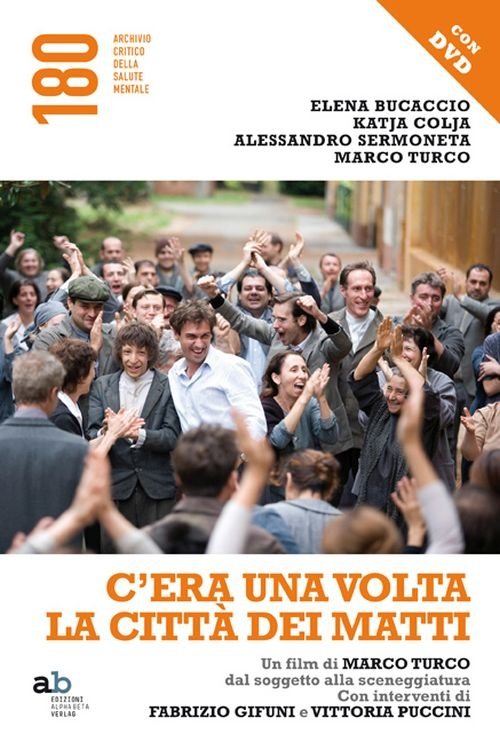
Once Upon a Time the City of Fools
2010
No user ratings available yet
Representation score: 8.1 out of 10
Representation Score
Good
1984
PG-13Director
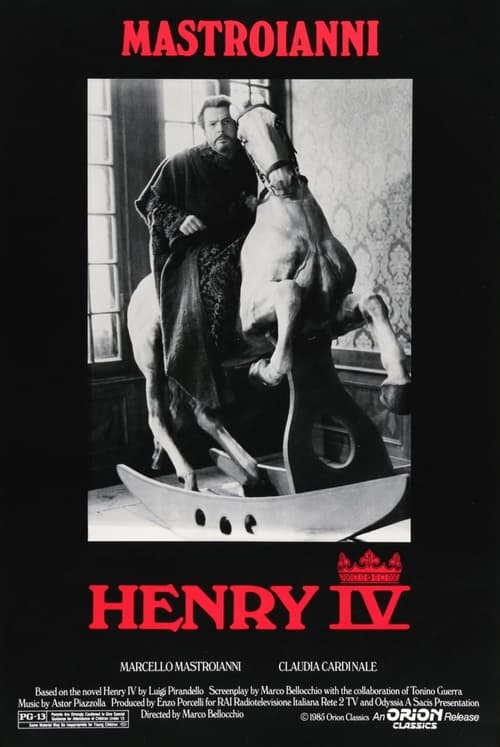
Marco Bellocchio
Runtime
82 minutes
Average Rating
No ratings yetNew Showbiz Analysis
Bellocchio’s film effectively deconstructs traditional Western power structures and monarchical norms through the lens of a protagonist's mental instability. It offers a nuanced portrayal of mental health and challenges the sanctity of historical institutions without falling into common stereotypes. However, the film is limited by its historical setting, which results in a lack of racial and ethnic diversity. The homogeneous cast reflects the period's aristocracy but lacks characters who reflect more than one aspect of diversity. Overall, the film's strength lies in its critique of Western authority and its exploration of the performative nature of leadership, while it remains narrow in its demographic scope.
Category Breakdown
The film hints at a questioning of straight-centered stability through a subtextual exploration of private desires versus public duty within a strict court environment. However, it does not give overtly LGBTQ+ characters much ability to act.
Bellocchio challenges traditional masculine authority by depicting it as fragile and delusional. The narrative focuses on psychological vulnerability rather than strong, decisive leadership.
The cast is homogeneous, reflecting the 16th-century European aristocratic context. There is no indication of intentional racial diversification within this closed historical system.
The film critiques Western institutions such as the monarchy and Church, showing them as corrupt and unstable rather than moral pillars. It highlights the flaws in these historical structures.
The protagonist's mental health issues drive the plot, portrayed as a complex psychological reality. He retains a significant role in driving the story, as his delusions directly influence court actions.
Present on Screen
Limited or Absent
Official Synopsis
Deranged after a fall from a horse, a man has lived for twenty years in a castle laboring under the delusion that he is Holy Roman Emperor Henry IV. His psychiatrist concocts an elaborate scheme to shock him out of his medieval reverie.
2010
1976

2006
1961
1975
1948
1988
1968
No reviews yet. Be the first to share your thoughts on this movie!
Use the rating form above to leave a star rating and optional review.