
The Seducers
1969
No user ratings available yet
Diversity score: 4.8 out of 10
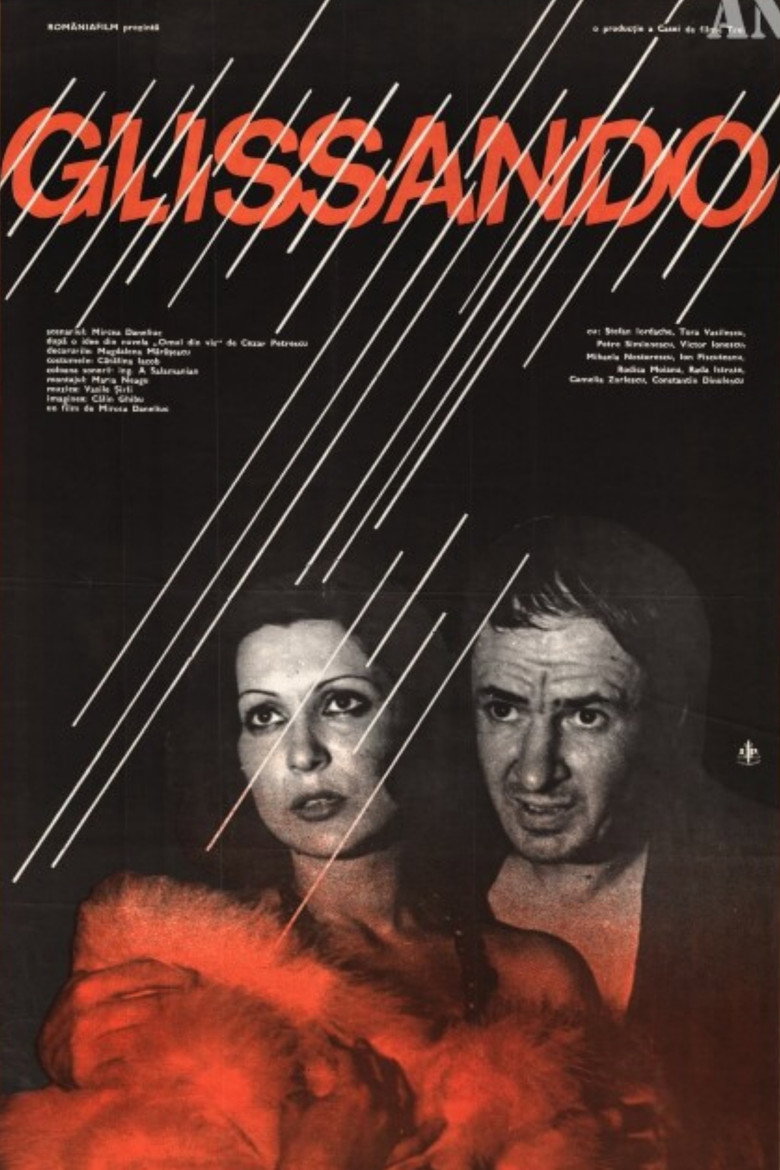
1982
Director
Mircea Daneliuc
Runtime
165 minutes
Average Rating
No ratings yetSynopsis
In 1930s Romania, a desperate gambler exploits an elderly man for casino luck, an act that triggers his own severe psychological undoing. Consumed by madness, he transfers his obsession to a painting that resembles his mother and forces his girlfriend to physically mimic the portrait, driving her to a suicide attempt. As she is committed to a sanatorium, his deranged mind completely detaches from reality against the backdrop of a decaying, pre-war fascist society.
Overall Score
Fair
Category Breakdown
LGBTQ+ Representation
The film focuses on the psychological decay of a male protagonist and his transactional bond with an elderly man. There is no explicit evidence of non-cisnormative identities or narratives critiquing heteronormativity.
Gender Representation
This character study centers on male-driven conflict and the exploitation of a peer. While it avoids depicting traditional stable masculinity, it lacks diverse female agency or the subversion of gender hierarchies.
Racial & Ethnic Diversity
Set in 1930s Romania, the cast and setting are ethnically homogeneous. The production reflects its specific historical and regional context without utilizing diverse ethnic ensembles.
Religious & Cultural Diversity
The narrative uses gambling as a metaphor for national and social disorder. It effectively critiques systemic dysfunction by exploring the friction between the individual and the broader social order.
Disability Representation
The film offers a dark, nuanced exploration of mental health. The protagonist's psychological disintegration serves as a central, driving force rather than a source of mockery.
Strengths
Areas for Improvement
AI Analysis
Glissando is a sophisticated psychological drama that prioritizes thematic depth and systemic critique over demographic breadth. It uses the mental disintegration of a gambler to mirror a larger national and social disorder. The film excels in its intellectual architecture, using moral relativism to deconstruct social cohesion. However, it remains limited by its narrow demographic focus, offering little in the way of intersectional representation. Ultimately, the work is a study of individual pathology as a reflection of societal decay, making it a powerful critique of institutional stability despite its lack of diverse casting.
1969

1966

2006

2016

1993

1992

1974

1974

1984

1994
1960

1961
No reviews yet. Be the first to share your thoughts on this movie!
Use the rating form above to leave a star rating and optional review.