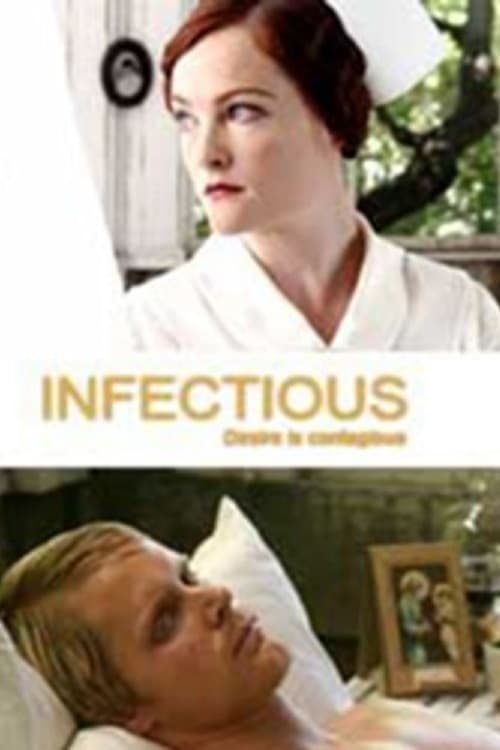
Infectious
2009
No user ratings available yet
Representation score: 6.3 out of 10

Representation Score
Good
2016
Not RatedDirector
Radu Jude
Runtime
141 minutes
Average Rating
No ratings yetNew Showbiz Analysis
Radu Jude’s film is a sophisticated postmodern critique that prioritizes the deconstruction of social and moral hierarchies. It uses satire to challenge the sanctity of traditional institutions and the performative nature of social norms. While the film is demographically limited by its 1930s Romanian setting, its narrative structure is progressive. It avoids many common clichés regarding disability and gender, opting instead for a chaotic, realistic portrayal of human behavior. Ultimately, the work functions more as a critique of systemic structures than a study in demographic diversity, using absurdity to dismantle established social orders.
Category Breakdown
The 1930s Romanian setting limits the visibility of LGBTQ+ identities. While there is no explicit same-sex intimacy, the film subtly challenges rigid expectations of heterosexual relationships through its focus on the absurdity of social etiquette.
The film disrupts mid-century gender roles by highlighting the irrationality of courtship rituals. It avoids traditional hierarchies of male dominance or female submission, presenting gendered interactions as part of a nonsensical social fabric.
The cast is predominantly white, reflecting the demographic realities of 1930s Romania. There is no evidence of whitewashing, but the film does not actively seek to diversify this specific historical setting.
The narrative excels by portraying religious and social decorum as performative and absurd. It uses moral relativism to critique the systemic structures and authority figures that govern human behavior.
Emanuel’s bone tuberculosis and confinement to a stretcher-bed are treated as lived realities. The film avoids 'inspiration porn,' instead focusing on the psychological reality and his active role within his physical limitations.
Present on Screen
Limited or Absent
Official Synopsis
During the summer of 1937, Emanuel, a young man in his early twenties, is committed to a sanatorium on the Black Sea coast for treatment of his bone tuberculosis. The treatment consists of painful spine punctures that confine him to a plaster on a stretcher-bed. Little by little, as Emanuel gets accustomed to the sadness of his new life, he discovers that inside the sanatorium there is still a life to be lived to the fullest.
2009

2016

2005

1961
2011

2009

2006

2019
No reviews yet. Be the first to share your thoughts on this movie!
Use the rating form above to leave a star rating and optional review.