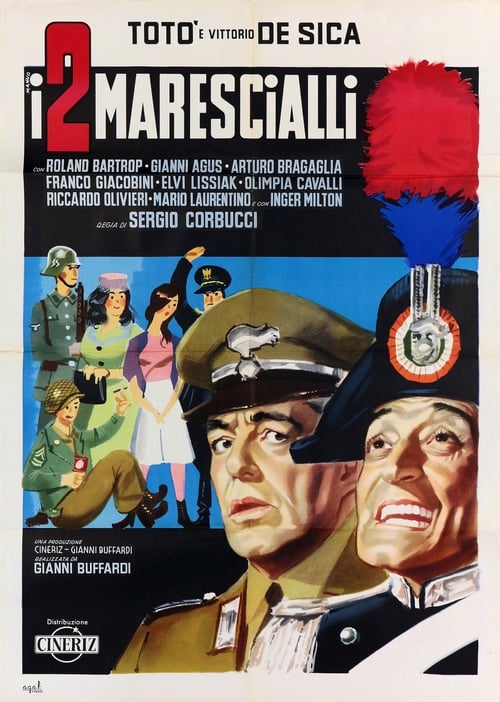
The Two Marshals
1961
No user ratings available yet
Diversity score: 1.3 out of 10
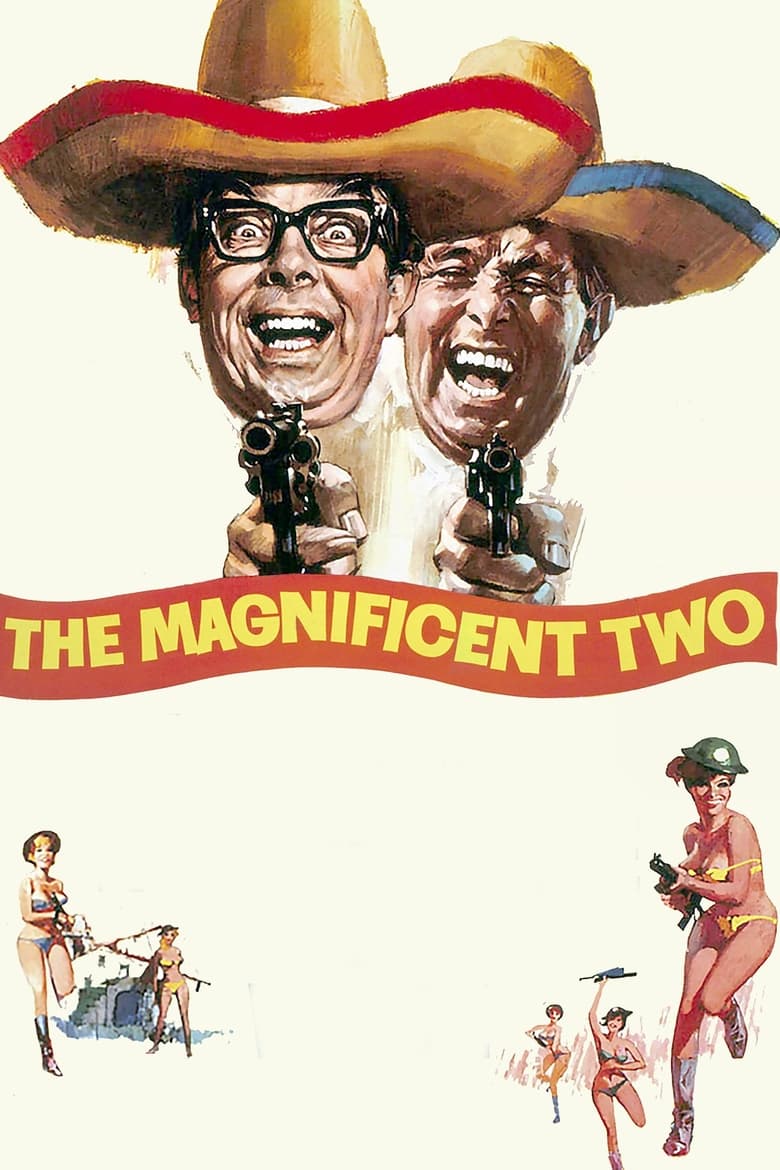
1967
Director
Cliff Owen
Runtime
100 minutes
Average Rating
No ratings yetSynopsis
Two salesmen travel to a small South American Country to peddle their wares. However the country is in the middle of a major conflict between the Government led by Diaz and the rebels led by Torez. When Torez is accidentally killed the rebels mistaken pick up one of the salesmen, Eric, as he looks like Torez. Eric and Ernie are promised millions to carry on the charade once the rebels take charge. However once Eric takes charge he finds himself back in danger as scheming general Carillo plans to remove the impostor from his role.
Overall Score
Limited
Category Breakdown
LGBTQ+ Representation
The film lacks any documented LGBTQ+ characters or non-heteronormative identities. It operates within a conventional heteronormative structure typical of mid-century cinema.
Gender Representation
While a female lead provides a central point of interaction, narrative agency remains concentrated within the male protagonists. The plot reinforces a traditional masculine-driven adventure structure.
Racial & Ethnic Diversity
The narrative lens remains centered on Western protagonists despite the South American setting. Local characters of color function largely as a backdrop for the salesmen's comedic journey.
Religious & Cultural Diversity
Political instability and revolution serve as comedic plot devices rather than critiques of imperialism. The story avoids deep engagement with post-colonialist or anti-capitalist perspectives.
Disability Representation
There are no prominent depictions of physical or neurodivergent characters. The film focuses on the physical comedy of the central leads instead.
Strengths
Areas for Improvement
AI Analysis
The film is a product of the 1960s studio system, prioritizing genre-standard comedic tropes over identity exploration. The narrative architecture reinforces traditional Western perspectives through a 'fish-out-of-water' lens. While the setting involves South American political factions, the local populations lack intersectional depth or agency. The story focuses on the individualistic pursuit of wealth by the Western salesmen. Ultimately, the film functions as a conventional adventure-comedy. It lacks the intentionality required to challenge or subvert the prevailing social hierarchies or cultural norms of its era.
1961
1941
1964

1969
1965
1969
1936
1966
1939
1940
1984
1968
No reviews yet. Be the first to share your thoughts on this movie!
Use the rating form above to leave a star rating and optional review.