Uuno Turhapuro armeijan leivissä
1984
No user ratings available yet
Representation score: 2.3 out of 10
Representation Score
Minimal
1964
Director
Sven Methling
Runtime
93 minutes
Average Rating
No ratings yetNew Showbiz Analysis
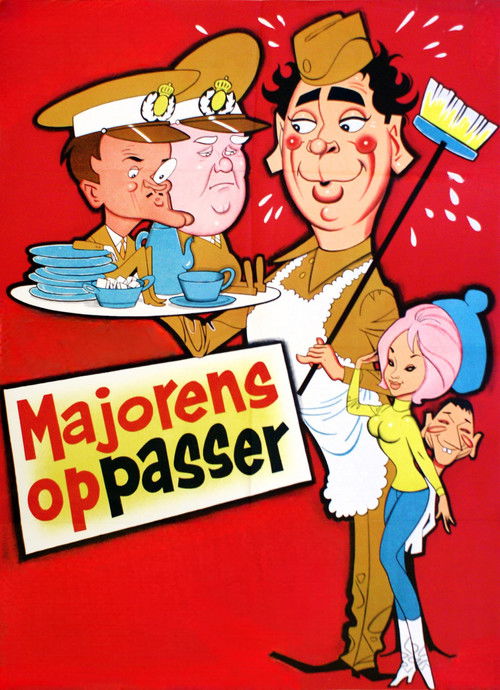
The Major's Guard operates as a standard mid-century comedy, using the 'incognito' cliché to explore class distinctions through comedic friction. While the Minister's descent into the role of an orderly provides a lighthearted critique of bureaucracy, the film remains firmly rooted in the social hierarchies of its era. The narrative structure prioritizes conventional romantic clichés and institutional stability. By centering the plot on a high-ranking official's social maneuvering, the film reinforces traditional power dynamics rather than going beyond familiar patterns. Ultimately, the film lacks representation of underrepresented identities. It functions as a genre-driven piece that reflects the demographic and social homogeneity of 1960s Danish cinema.
Category Breakdown
The film centers on a traditional romance between the Minister and the Major's daughter. It does not include any characters with non-binary gender identities or stories that challenge the assumption that everyone is straight or cisgender.
The story follows a male-dominated hierarchy where the male protagonist uses social maneuvering to advance the plot. The daughter primarily serves as a romantic catalyst rather than an independent agent.
The production reflects the demographic homogeneity typical of mid-century European cinema. There is no indication of characters from diverse racial backgrounds or multi-layered casting.
The narrative engages with traditional Western institutions such as the military and state ministry. It aligns with established social orders rather than challenging them.
There is no evidence within the narrative to suggest the inclusion of characters with visible or invisible disabilities.
Present on Screen
Limited or Absent
Official Synopsis
The Danish minister of defense decides to join the army incognito to observe. This causes CHAOS. It also causes him to meet the major's daughter. He ends up becoming the major's orderly which gets him closer to the daughter.
1984
1964
1961
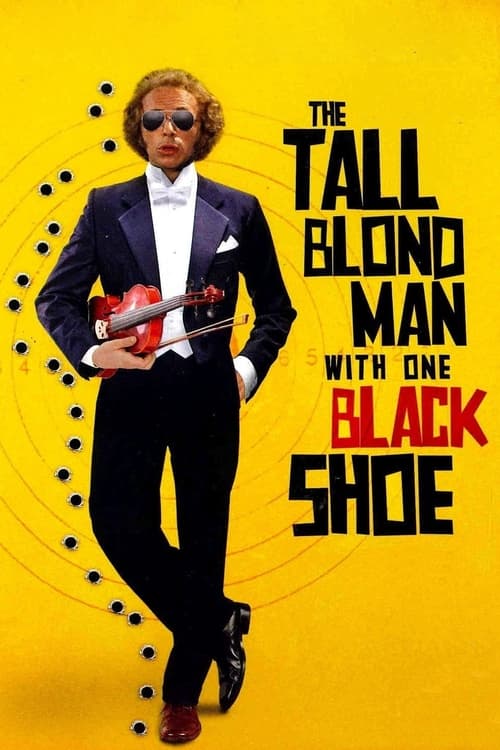
1972
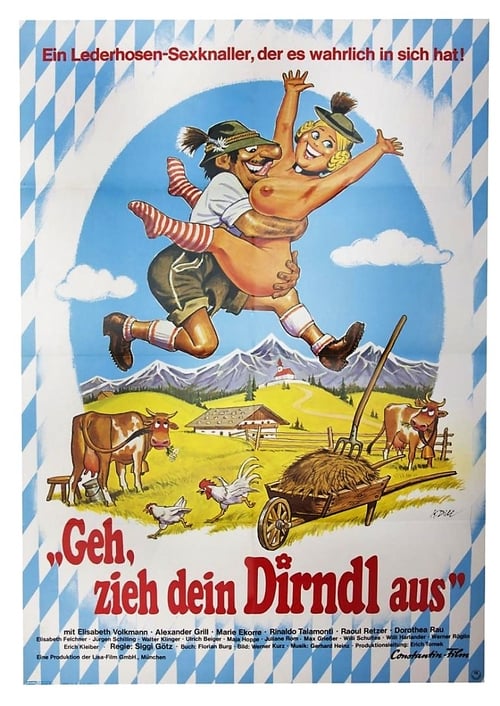
1973
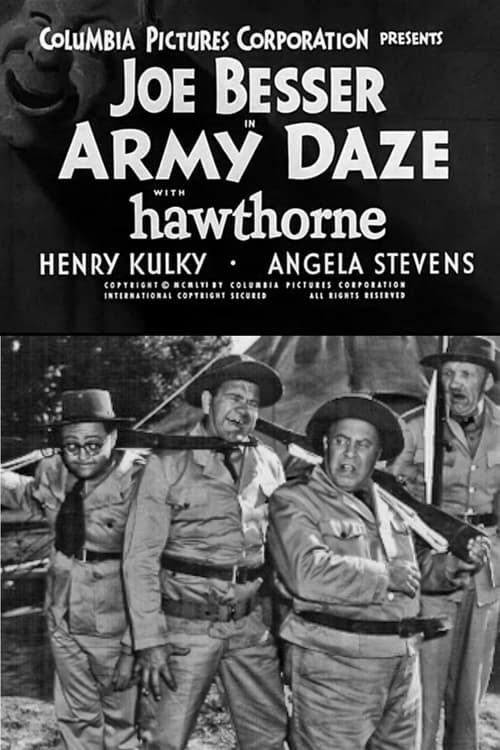
1956
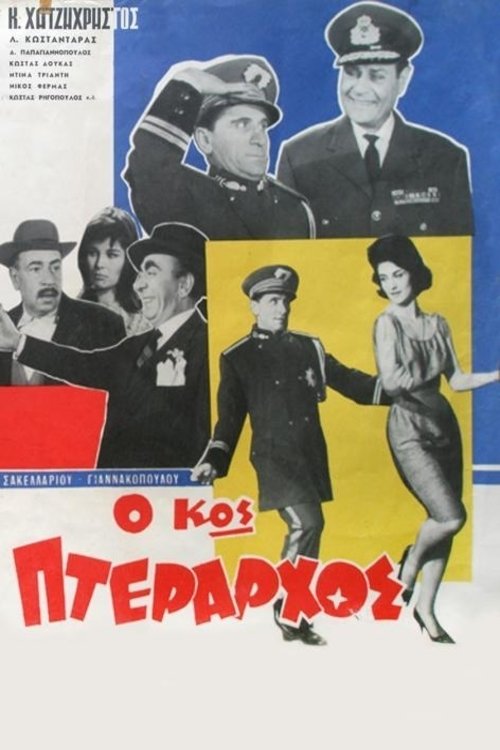
1963

1969
No reviews yet. Be the first to share your thoughts on this movie!
Use the rating form above to leave a star rating and optional review.