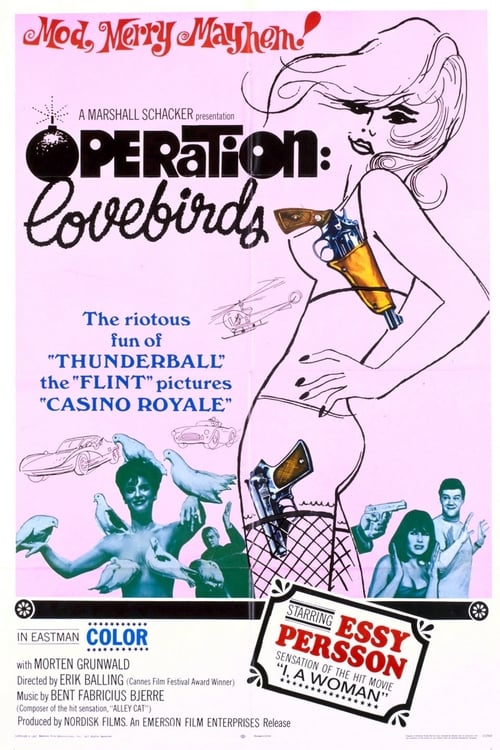
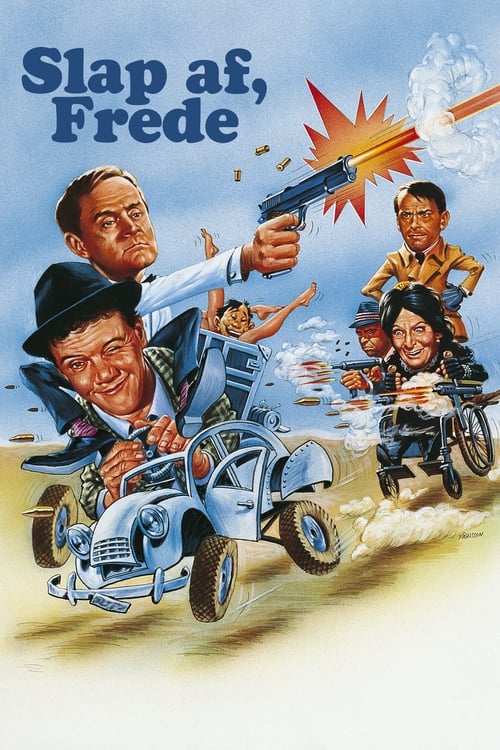
Strike First Freddy
1965
No user ratings available yet
Representation score: 2.1 out of 10
Representation Score
Limited
1966
MDirector
Erik Balling
Runtime
105 minutes
Average Rating
No ratings yetNew Showbiz Analysis
Relax Freddy, produced in 1966, prioritizes situational comedy over social complexity. The narrative centers on a male-dominated espionage plot that relies on established formulas of the time. While the film introduces international stakes through a Chinese diplomat, the perspective remains firmly Western. The inclusion of a character with a psychiatric background risks using mental health as a shorthand for instability rather than nuanced representation. Overall, the film maintains a conventional hierarchy of ability to act, lacking the multi-layered approach or systemic critique found in more progressive works.
Category Breakdown
The film does not include any LGBTQ+ characters or narratives that question the assumption that everyone is straight or cisgender. It follows the conventional social dynamics typical of mid-1960s comedy.
Men play a significant role in driving the story, including secret service agents and the main character. The plot does not seem to challenge traditional gender hierarchies.
A Chinese diplomat is a key figure in the plot, bringing in non-Western elements. However, these characters seem to serve more as devices than as fully developed individuals.
The story emphasizes Western institutional norms through its focus on international diplomacy and state security. It does not provide significant secularist or anti-Western critiques.
Agent Smith’s history in a psychiatric hospital suggests that mental health issues might be used as a comedic cliché. The portrayal leans towards traditional cinematic archetypes.
Present on Screen
Limited or Absent
Official Synopsis
A Chinese diplomat is kidnapped from a conference in Genève and the world peace is at risk. The trail leads to a hiding place in Denmark and the Danish secret service brings in their best agent, agent Smith, who has been in a psychiatric hospital since his last assignment. To accompany Smith they once again turn to novelty and party tricks salesman Frede Hansen, because they need an unrecognizable man to infiltrate the crime syndicate behind the kidnapping.
1965
1972
1970

1960
1965
1974
1967
1965
No reviews yet. Be the first to share your thoughts on this movie!
Use the rating form above to leave a star rating and optional review.