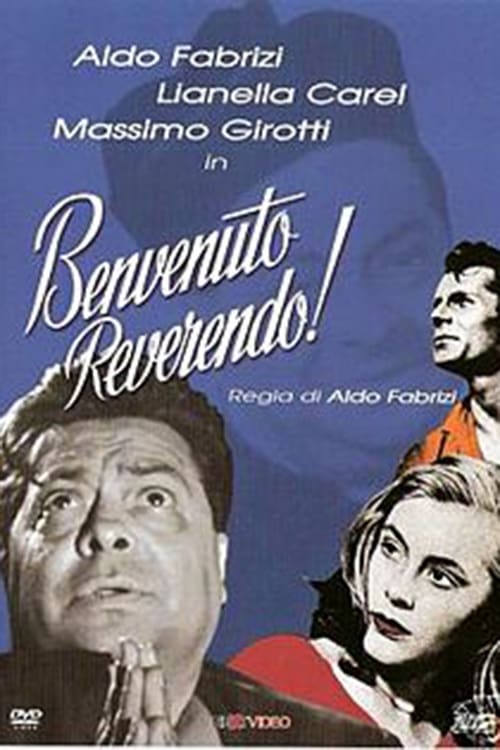
Welcome Reverend!
1950
No user ratings available yet
Representation score: 1.8 out of 10

Representation Score
Minimal
1961
Director
Sergio Corbucci
Runtime
90 minutes
Average Rating
No ratings yetNew Showbiz Analysis
The Two Marshals is a traditional genre film that adheres to the social and cinematic norms of 1961. It emphasizes established clichés of masculinity and racial homogeneity, avoiding any attempts at storytelling that reflects multiple aspects of identity. While the central premise involving a thief posing as a priest offers a glimpse into religious authority, the film ultimately aims to restore traditional order. It serves as a straightforward character-driven comedy rather than a subversive social commentary. The production reinforces existing power structures and lacks the diversity needed to challenge traditional cinematic hierarchies.
Category Breakdown
The film does not include any representation of LGBTQ+ identities or same-sex relationships. It assumes that all characters are straight and cisgender, which is typical of early 1960s cinema.
Male characters have the majority of narrative ability to act, while female characters play minor, supporting roles that reinforce traditional gender roles.
The cast is predominantly white, reflecting the homogeneous demographics common in Western films of that time. There is no evidence of diverse casting or race-bending.
The plot explores situational morality through a thief pretending to be a priest. However, it does not provide a broader critique of religious or Western institutions.
There are no depictions of physical or neurodivergent disabilities. None of the characters are shown with disabilities, whether as narrative devices or with significant roles.
Present on Screen
Limited or Absent
Official Synopsis
September 1943: in the general confusion a thief dressed as a priest and a sergeant exchange clothes and roles.
1950

1971
1962
1976

1961

1953

1963

1959
No reviews yet. Be the first to share your thoughts on this movie!
Use the rating form above to leave a star rating and optional review.