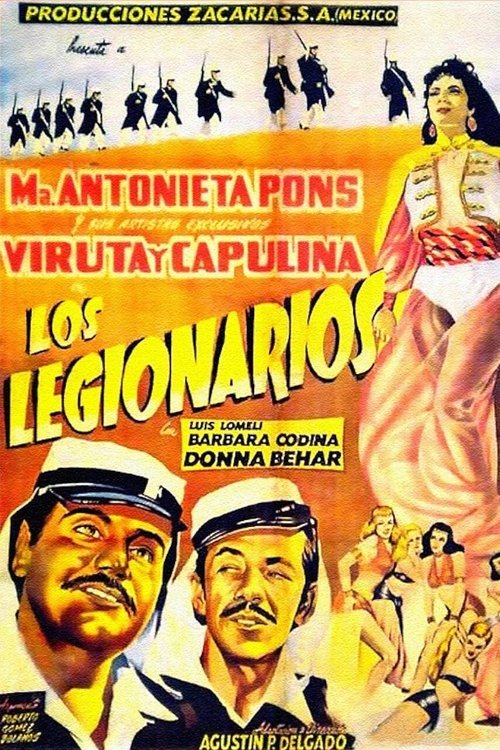
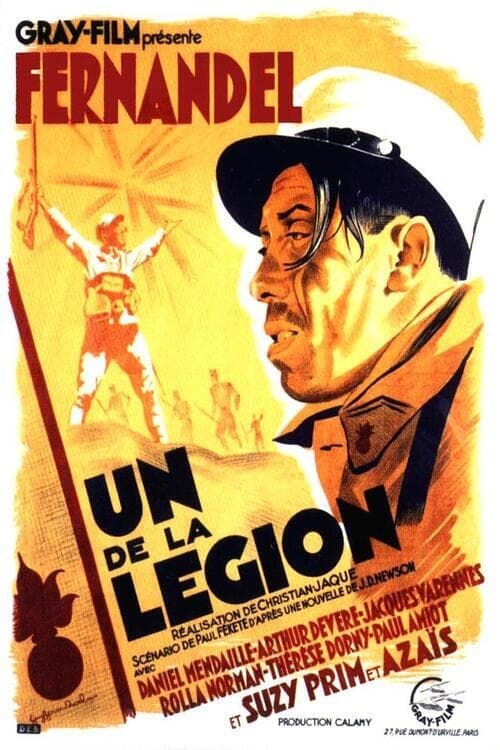
Los legionarios
1958
No user ratings available yet
Representation score: 3.0 out of 10
Representation Score
Minimal
1936
Director
Christian-Jaque
Runtime
91 minutes
Average Rating
No ratings yetNew Showbiz Analysis
The film reflects the classical adventure and comedic style typical of its era, prioritizing these elements over deeper representation. While it offers a minor subversion of traditional gender roles by showing a submissive husband, the overall narrative remains centered on masculine escapism. The film’s setting in colonial Algeria reinforces a Western-centric perspective. Indigenous populations serve primarily as a backdrop for the protagonist’s journey, lacking individual ability to act or complex identities. Overall, the film lacks critical examination of underrepresented groups and adheres to the colonialist and conventions that assume everyone is straight of its time.
Category Breakdown
The film focuses on a marriage that assumes both partners are straight and cisgender. There are no depictions of same-sex relationships or non-cisgender identities.
The story challenges traditional gender roles by showing a husband who is dominated by his wife. However, the plot shifts to a male-dominated adventure involving the Foreign Legion.
The film sets its story in tribal Algeria, which mainly serves as a backdrop for a military adventure. Indigenous populations are not given much depth or individual ability to act.
The film emphasizes Western institutions such as the military and legal systems. It does not show any signs of secularism or anti-colonial sentiments.
There are no visible or invisible disabilities shown in the film. The protagonist’s intoxication is used solely as a plot device for identity theft.
Present on Screen
Limited or Absent
Official Synopsis
Fernand Espitalion is miserable as totally whipped husband of a dragon 'passed on' -like cloths- by his late cousin. She often leaves him waiting outside like a dog when she does business. While she sees a notary about an inheritance, he's seduced to a bar by a shady man. The rogue gets Fernand drunk, knocks him out and switches costumes and papers. He's now Robert Durand, a voluntary Foreign legion recruit. After failed attempts to explain, he tastes military life and finds it less disciplined and more enjoyable then, marriage. But will that last when his wife tracks him and his unit is sent to action in tribal Algeria?
1958

1952
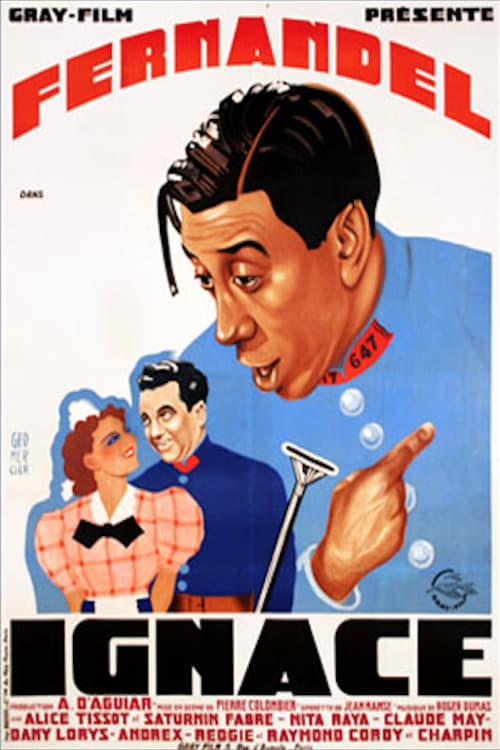
1937
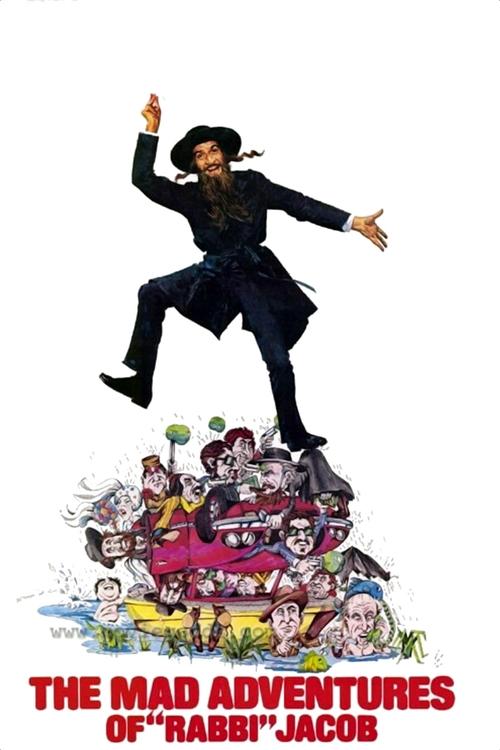
1973
1967
1938
1952

1960
No reviews yet. Be the first to share your thoughts on this movie!
Use the rating form above to leave a star rating and optional review.