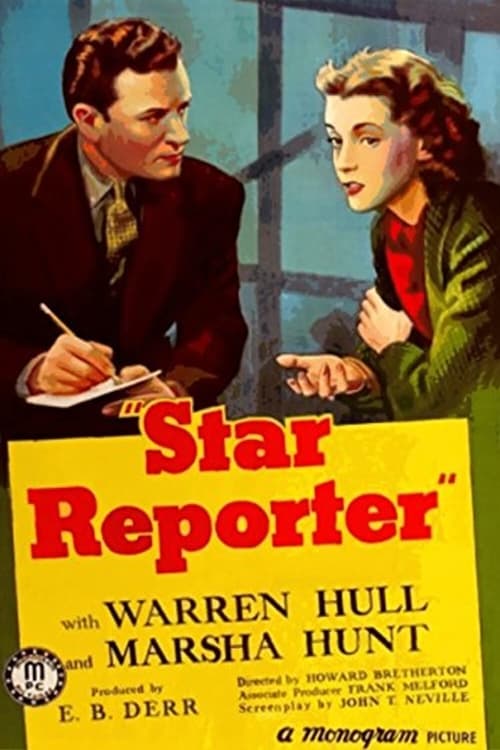
Star Reporter
1939
No user ratings available yet
Representation score: 0.6 out of 10
Representation Score
Minimal
1936
PassedDirector
Errol Taggart
Runtime
58 minutes
Average Rating
No ratings yetNew Showbiz Analysis
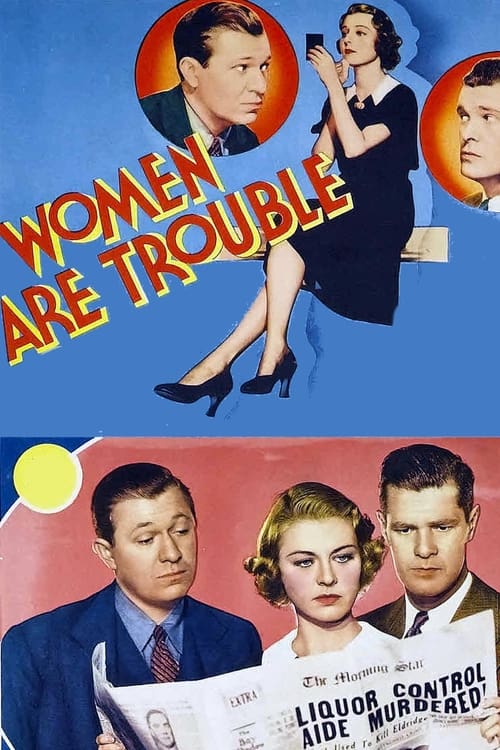
Women Are Trouble is a mid-1930s crime drama centered around a female reporter trying to expose a liquor racketeering gang. While the protagonist shows professional ambition, the film's progressive value is limited by its historical context. The narrative lacks complexity in representing multiple aspects of identity, such as LGBTQ+, racial, or disability groups. It operates primarily as a standard genre piece of its time. Overall, the film offers a modest degree of gendered ability to act through its lead but appears to adhere to traditional social hierarchies and storytelling patterns.
Category Breakdown
The film does not include any LGBTQ+ identities. There are no narratives that question the assumption that everyone is straight or cisgender.
A female reporter shows professional ambition in a crime drama. However, the title hints at relying on gendered clichés typical of the 1930s.
The film likely follows the homogeneous casting standards of its era. There is no evidence of diverse casting or characters reflecting multiple aspects of identity.
The story focuses on organized crime and racketeering. It seems to reinforce traditional moral frameworks rather than challenging institutional norms.
There is no information about characters with physical or neurodivergent traits.
Present on Screen
Limited or Absent
Official Synopsis
A young reporter tries to prove her mettle by exposing a liquor racketeering gang.
1939
1933
1930
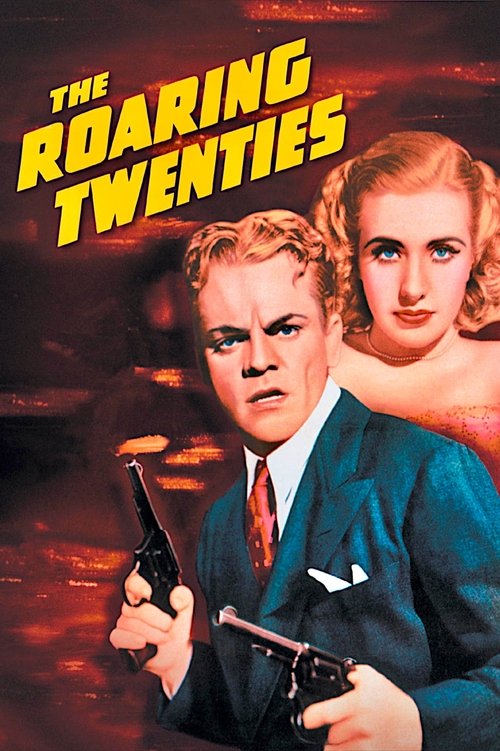
1939
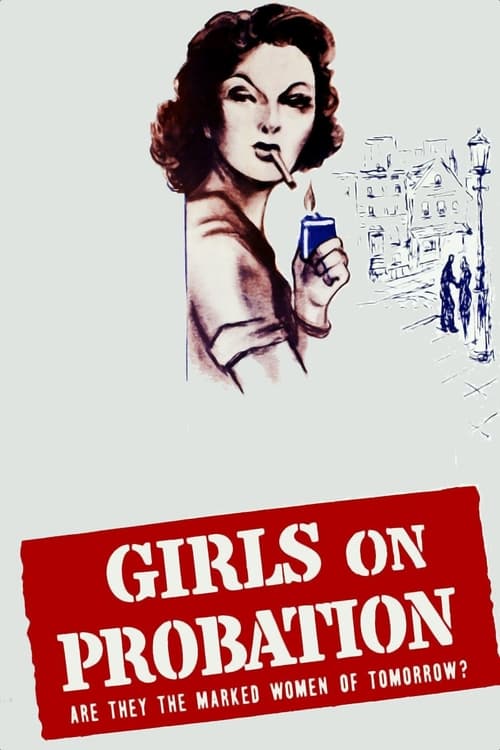
1938

1937
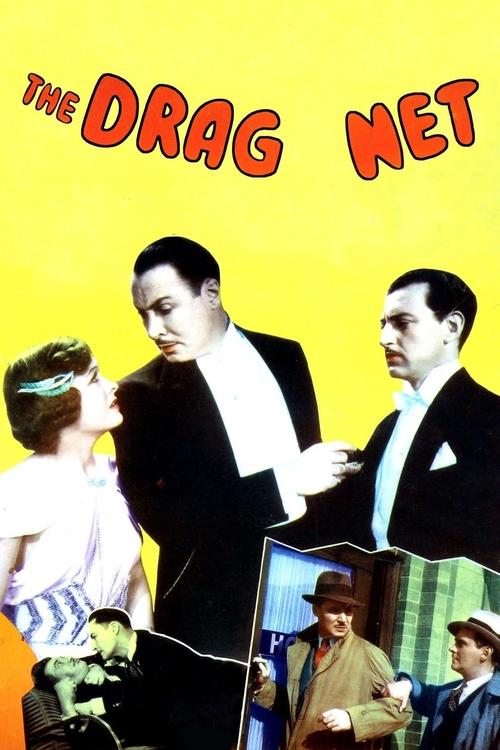
1936
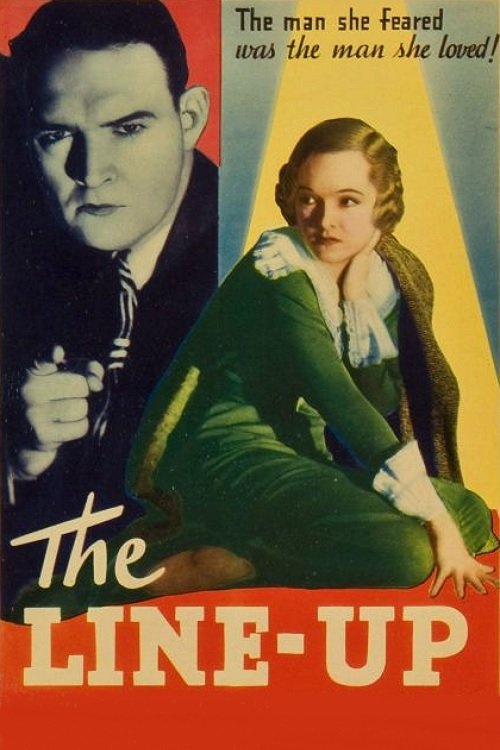
1934
No reviews yet. Be the first to share your thoughts on this movie!
Use the rating form above to leave a star rating and optional review.