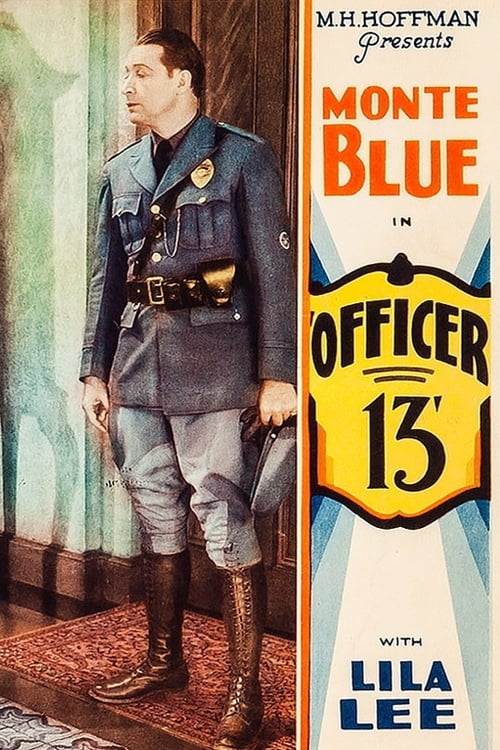
Officer Thirteen
1932
No user ratings available yet
Representation score: 1.6 out of 10
Representation Score
Minimal
1930
PassedDirector
Tay Garnett
Runtime
72 minutes
Average Rating
No ratings yetNew Showbiz Analysis
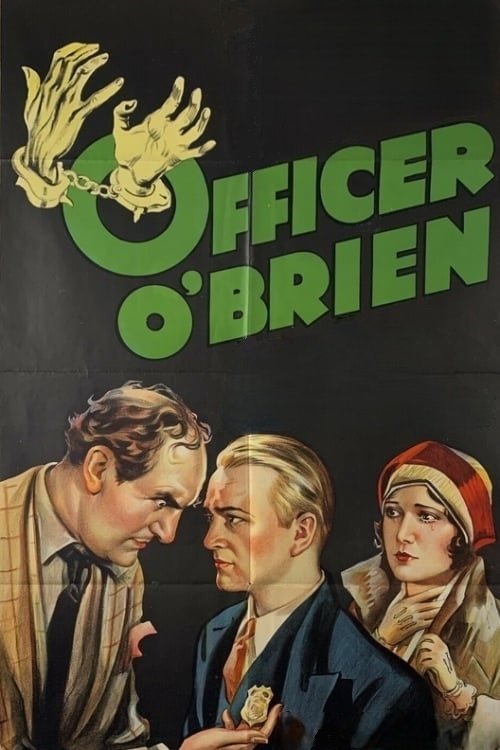
Officer O'Brien is a period-specific crime drama that emphasizes traditional moral frameworks and institutional stability. The narrative centers on a male protagonist's struggle between professional duty and familial turmoil, reinforcing the hero archetype common to the era. The film lacks diversity, presenting a homogeneous view of society that aligns with the social hierarchies of 1930s Hollywood. It focuses on a straightforward conflict between law enforcement and criminality without delving into diverse cultural or identity-based perspectives. Ultimately, the film serves as a validation of civic duty and the nuclear family, offering little to no disruption of the conventional social norms prevalent at the time of its release.
Category Breakdown
The film does not include any LGBTQ+ characters or individuals with non-binary gender identities. The romance revolves around the heterosexual relationship between Bill O'Brien and Ruth Dale.
Gender roles adhere to traditional 1930s stereotypes. Ruth Dale offers emotional support, but the main professional conflicts and solutions are handled by male characters.
The story presents a homogeneous society typical of early American crime dramas. There is no indication of a multi-ethnic cast or diverse racial viewpoints.
The narrative upholds Western institutional values and state authority. It emphasizes the significance of the nuclear family and the restoration of civic order.
There are no characters with visible or invisible disabilities. Disability is not used as a narrative device in the story.
Present on Screen
Limited or Absent
Official Synopsis
Bill O'Brien is promoted to lieutenant in the police department for his arrest of Mike Patello, gang leader and racketeer, for murder. Ruth Dale, who loves Bill, is concerned when her brother, Johnny, who witnessed the murder, proposes to testify against the racketeer. Meanwhile, Captain Antrim informs Bill that his father has just been released from prison and does not know his son is a policeman. On the way from prison, O'Brien (J. P.) meets Limo, a former cockney pal who recognizes Bill and keeps J. P. from seeing his son; later, J. P. arrives intoxicated and is enraged, forcing Bill to knock him unconscious. J. P. is arrested for robbery but returns the loot to save his son from disgrace; Johnny is killed before testifying against Patello, who is released but confronted by J. P., who proves his guilt and, when he struggles with the police, kills him. Bill plans to resign, but confident of Ruth's love, he decides to remain on the force.
1932
1935
1931
1939
1928
1931
1936
1931
No reviews yet. Be the first to share your thoughts on this movie!
Use the rating form above to leave a star rating and optional review.