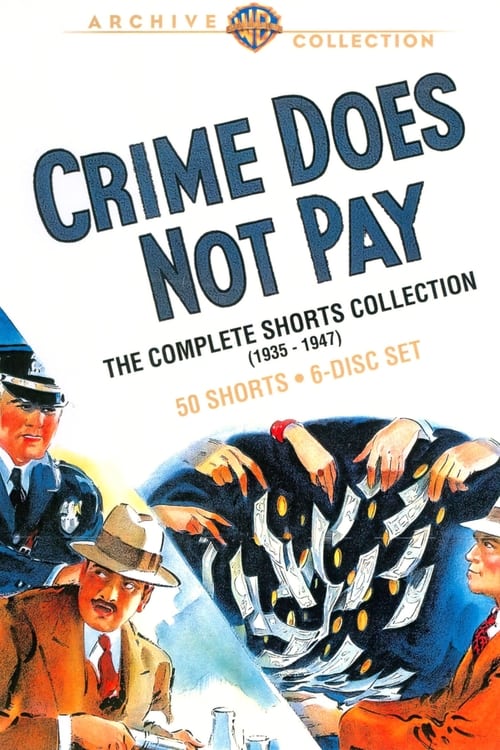
It May Happen to You
1937
No user ratings available yet
Representation score: 0.4 out of 10
Representation Score
Minimal
1936
ApprovedDirector
Errol Taggart
Runtime
19 minutes
Average Rating
No ratings yetNew Showbiz Analysis
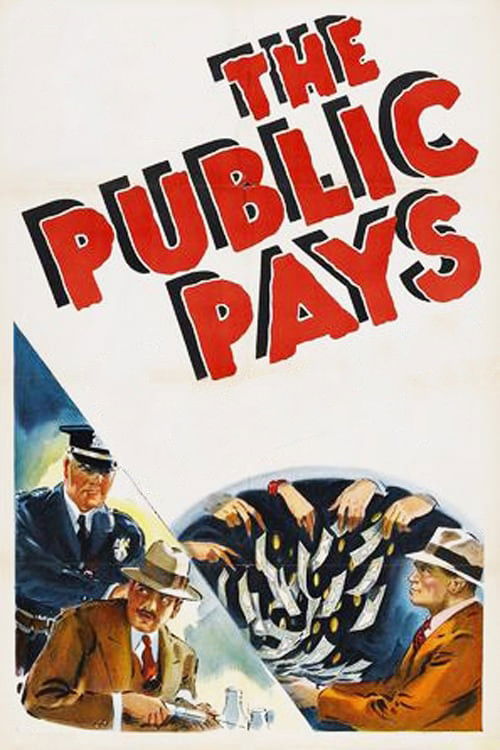
The Public Pays is part of the MGM 'Crime Does Not Pay' series, emphasizing social order through a rigid moral framework. The narrative prioritizes the effectiveness of established institutions over any form of social subversion. Representation is limited, focusing almost exclusively on traditional masculine leadership and Western institutional authority. The film lacks complexity in terms of race, gender, or identity, reflecting the homogeneous social norms of its time.
Category Breakdown
The film does not include any characters with non-straight sexual orientations or gender identities. It follows the strict assumption that everyone is heterosexual and cisgender, typical of 1936 MGM crime shorts.
The story focuses on male figures in positions of authority such as law enforcement and business. Women play minor roles, if any.
The film depicts a predominantly white, Western society with no indication of a diverse cast or non-Anglo-Saxon backgrounds.
The story upholds traditional Western institutions, validating the authority of the state and the sanctity of capitalism through a clear moral message.
There are no characters with visible or invisible disabilities. Crime films from this era typically did not explore disability.
Present on Screen
Limited or Absent
Official Synopsis
In this MGM Crime Does Not Pay series short, a protection racket preying on milk distribution is broken through the persistence of law enforcement and the courage of a local businessman.
1937
1937
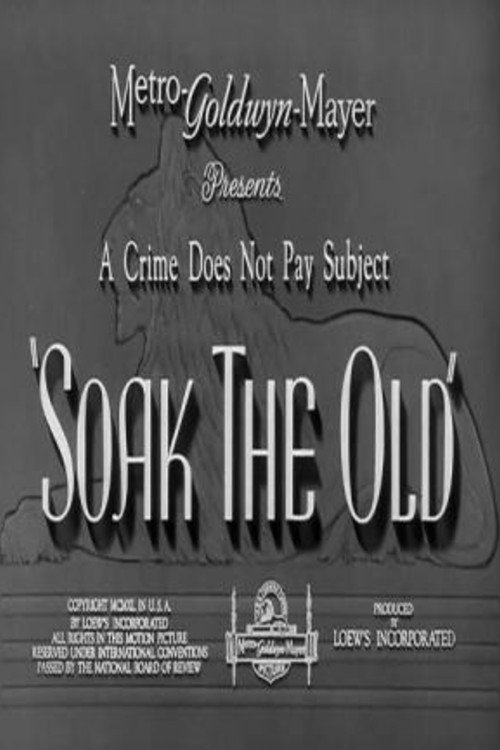
1940
1941
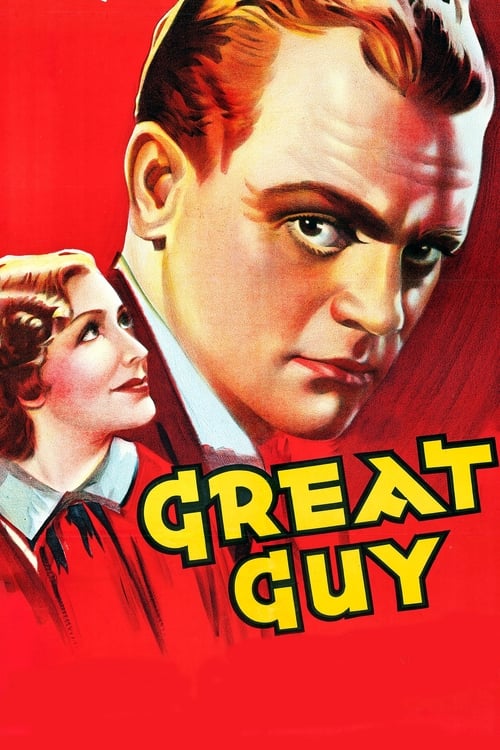
1936
1936
1940
1938
No reviews yet. Be the first to share your thoughts on this movie!
Use the rating form above to leave a star rating and optional review.