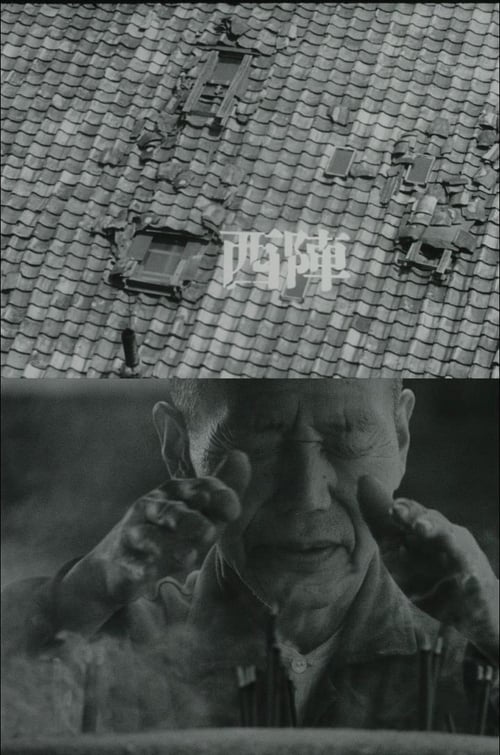
The Weavers of Nishijin
1961
No user ratings available yet
Diversity score: 4.7 out of 10

1963
Director
Toshio Matsumoto
Runtime
24 minutes
Average Rating
No ratings yetSynopsis
While extracting and polishing their blocks of stone, stonecutters used to say “the stone is coming to life". This paradox provided Matsumoto with the best metaphor for what making a film is all about. In his opinion, filmmakers work images in the same way that stonecutters work stones.
Overall Score
Fair
Category Breakdown
LGBTQ+ Representation
The film lacks explicit depictions of LGBTQ+ identities or romantic orientations. It focuses on the metaphor of labor and art rather than queer narratives.
Gender Representation
The film does not center on gendered power dynamics or specific character arcs. While Matsumoto's work often challenges the traditional male gaze, specific evidence of gendered agency is absent.
Racial & Ethnic Diversity
Rooted in the Japanese New Wave, the film asserts a non-Western intellectual perspective. It serves as a departure from the Anglo-centric cinematic hegemony of the early 1960s.
Religious & Cultural Diversity
The film prioritizes abstract, non-traditional morality through secular, philosophical inquiry. It moves away from dogmatic frameworks by focusing on the paradox of creation and individual labor.
Disability Representation
There is no evidence of characters or subjects portraying physical or neurodivergent disabilities within the work.
Strengths
Areas for Improvement
AI Analysis
Toshio Matsumoto’s documentary is a formalist meditation on the creative process, using stonecutting as a metaphor for filmmaking. Because the work is a non-narrative, experimental piece centered on philosophical inquiry, it lacks the character-driven plot necessary to showcase specific identity-based representation. The film's strength lies in its intellectual subversion and its role in the Japanese New Wave. It challenges Western cinematic hegemony by offering a non-Western aesthetic and deconstructing traditional storytelling hierarchies. However, the absence of demographic markers and explicit social commentary on identity limits its diversity score. The film prioritizes the ontological relationship between creator and medium over social or political representation.
1961
1967
2006
2016
1958
1958
1958
2015
1986
1971
1955

1950
No reviews yet. Be the first to share your thoughts on this movie!
Use the rating form above to leave a star rating and optional review.