Diaries, Notes, and Sketches
1968
No user ratings available yet
Representation score: 8.0 out of 10
Representation Score
Fair
1986
Director
Jonas Mekas
Runtime
149 minutes
Average Rating
No ratings yetNew Showbiz Analysis
Jonas Mekas uses a fragmented, poetic collage to disrupt traditional narrative structures and mainstream cinematic hierarchies. This diary-film approach prioritizes subjective experience over commercial narratives. The film's strength lies in its rejection of social constructs in favor of a highly subjective reality. However, it remains limited by a lack of overt demographic representation. While the narrative structure is inherently disruptive to conventional expectations, the work reflects a somewhat homogeneous social circle typical of the era's experimental film scenes.
Category Breakdown
The film explores intimacy within an artistic community but lacks explicit LGBTQ narratives. Its structure avoids the rigid heterosexual assumptions common in 1980s cinema.
The experimental, non-narrative approach avoids traditional gender power struggles and domestic hierarchies. It does not reinforce patriarchal leadership, though it lacks specific character arcs to actively challenge gender roles.
The work focuses on a specific, localized artistic community surrounding Mekas. There is no evidence of significant racial diversity or intentional multi-layered casting within this personal collage.
By prioritizing personal truth over institutional narratives, the film critiques traditional Western structures like organized religion. It centers individual internal reality over societal expectations.
The film focuses on sensory experiences of time and memory. It does not feature characters with visible or invisible disabilities as central narrative drivers.
Present on Screen
Limited or Absent
Official Synopsis
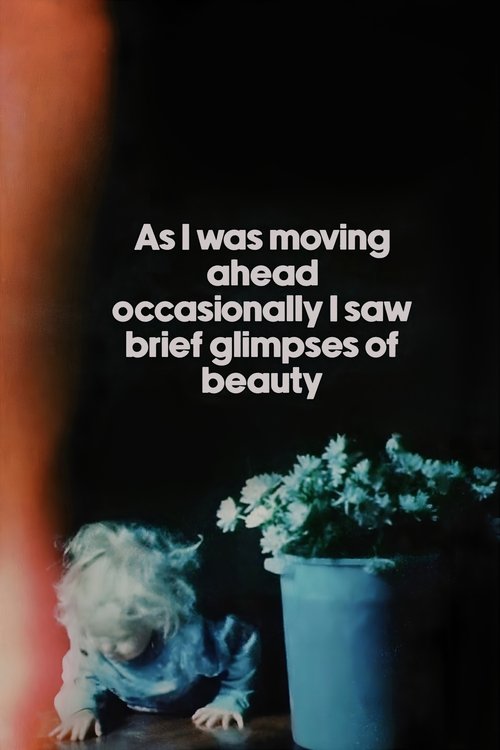
A film collage tracing the story of the lives, loves, and deaths within the artistic community surrounding Jonas Mekas.
1968
1978
1992

2008
1976

2012
2000

1995
No reviews yet. Be the first to share your thoughts on this movie!
Use the rating form above to leave a star rating and optional review.