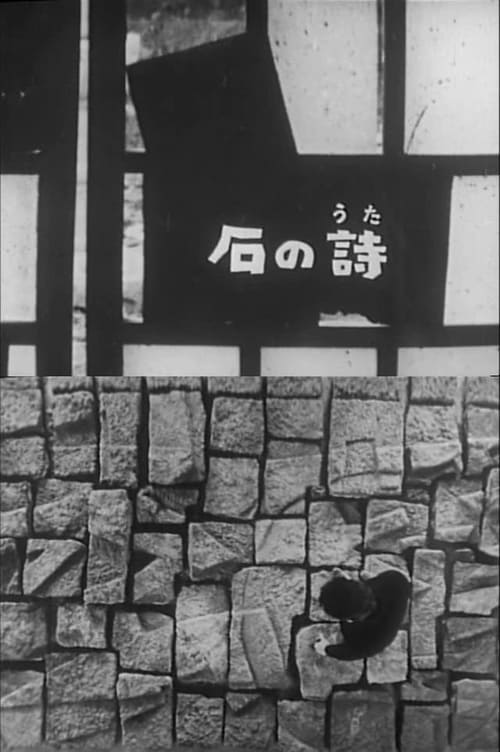
The Song of Stone
1963
No user ratings available yet
Diversity score: 4.8 out of 10
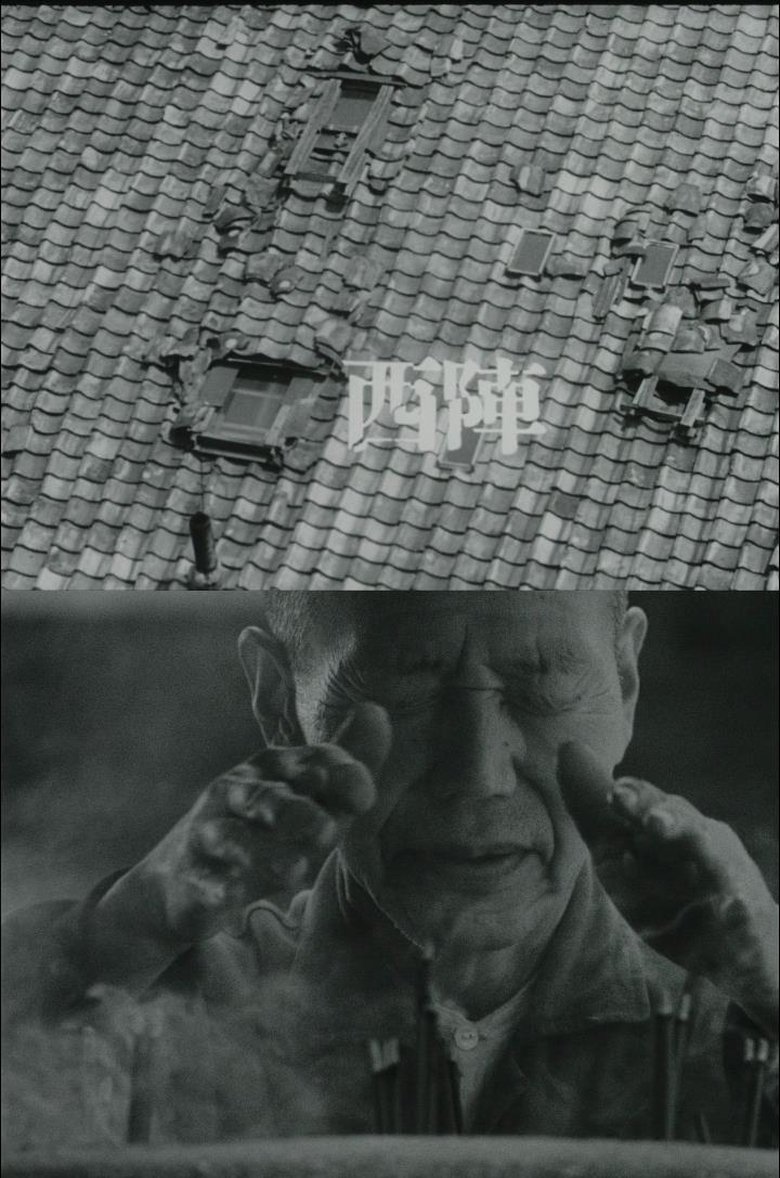
1961
Director
Toshio Matsumoto
Runtime
25 minutes
Average Rating
No ratings yetSynopsis
The Weavers of Nishijin captures the process of traditional textile manufacture in Nishijin.
Overall Score
Fair
Category Breakdown
LGBTQ+ Representation
The documentary focuses strictly on the technical and artisanal processes of textile manufacture. There are no visible LGBTQ+ characters or explorations of non-cisnormative identities.
Gender Representation
The film likely reflects the traditional gendered labor divisions of 1961 Japan. It lacks evidence of women in dominant leadership roles or subversions of historical hierarchies.
Racial & Ethnic Diversity
The film is ethnically homogeneous, centering on a specific Japanese cultural tradition. It avoids Western-centric whitewashing by focusing on non-Western craft and identity.
Religious & Cultural Diversity
The work provides an observational study of cultural heritage through the lens of labor. It avoids romanticized or nationalistic narratives in favor of secular, mechanical processes.
Disability Representation
There is no evidence of subjects with visible or invisible disabilities within the film's documentation of the weaving process.
Strengths
Areas for Improvement
AI Analysis
Toshio Matsumoto’s involvement suggests an experimental approach to the documentary form, potentially challenging traditional narrative structures. However, the film remains a specialized ethnographic study of Nishijin textile manufacture. The work prioritizes the mechanics of artisanal labor over social commentary or character-driven arcs. This focus results in a culturally specific but intersectionally limited presentation. While the film avoids the nationalistic tropes common in mid-century cinema, it lacks the diverse character agency required for a higher progressive score.
1963
1967

1965

1949

2015
2017

1955

1955

1989

2012

1928

1994
No reviews yet. Be the first to share your thoughts on this movie!
Use the rating form above to leave a star rating and optional review.