The Devil's Toy
1966
No user ratings available yet
Representation score: 5.7 out of 10
Representation Score
Fair
1958
Director
Michel Brault, Gilles Groulx
Runtime
15 minutes
Average Rating
No ratings yetNew Showbiz Analysis
The film stands as a pioneering example of cinematic technique rather than a platform for modern identity politics. Its main value lies in its innovative approach to documentary filmmaking, moving away from the traditional 'voice-of-god' style. While the film allows its subjects to take center stage through unfiltered observation, it lacks the layered representation expected in contemporary media. The portrayal is primarily focused on the specific, homogeneous demographic of 1950s Quebec. Ultimately, the film's progressive nature is evident in its rejection of conventional, institutional storytelling methods, favoring authentic, human-centric observation.
Category Breakdown
The film does not include any explicit LGBTQ+ characters or stories. It focuses on a communal sporting event without providing visibility for non-straight identities.
The documentary highlights a competitive sporting ritual emphasizing masculine strength. Women are not shown in roles that challenge the traditional 1950s social structure.
Participants come from a similar demographic typical of the Quebec region. The film does not use diverse casting to question the social norms of the time.
The film breaks down traditional documentary styles by focusing on the lived experiences of the community. It prioritizes grassroots rituals over grand nationalistic narratives, presenting a decentralized perspective.
There is no indication of characters with visible or invisible disabilities in the film.
Present on Screen
Limited or Absent
Official Synopsis
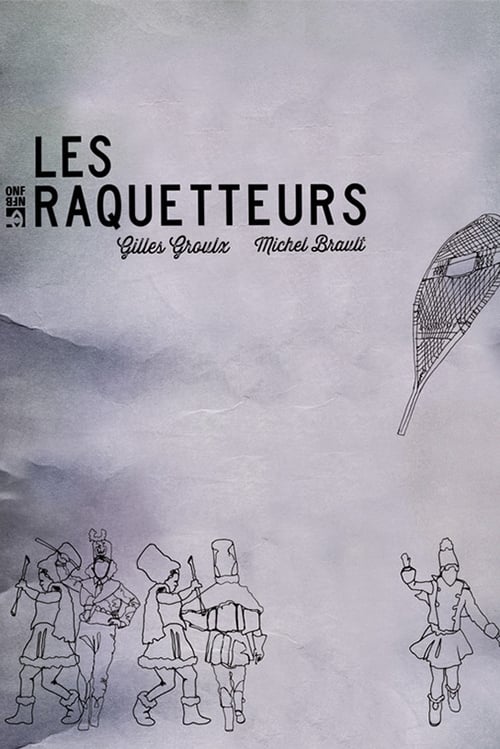
This short documentary records the celebration and ritual surrounding a snowshoe competition in Sherbrooke in the late 1950s. The film marked the beginning of a new approach to reality in documentary and prefigures the trademark style of the NFB's newly formed French Unit. Today, "Les raquetteurs" is considered a precursor to the birth of direct cinema.
1966
1929
2000

1938
1971
2013
1898
1971
No reviews yet. Be the first to share your thoughts on this movie!
Use the rating form above to leave a star rating and optional review.