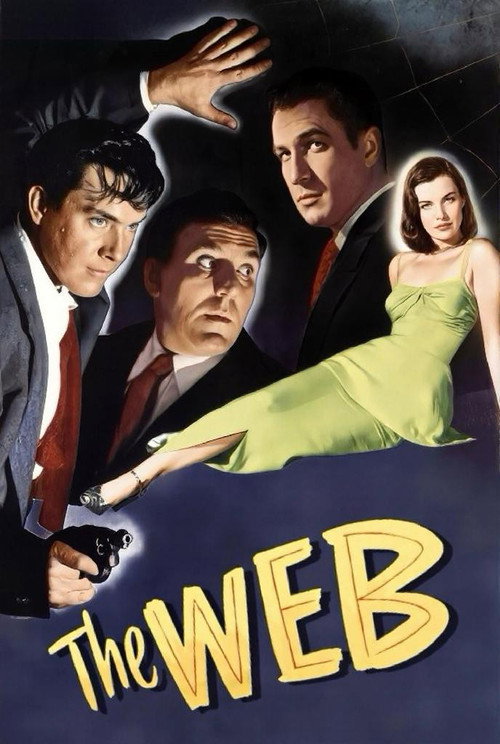
The Web
1947
No user ratings available yet
Diversity score: 2.3 out of 10
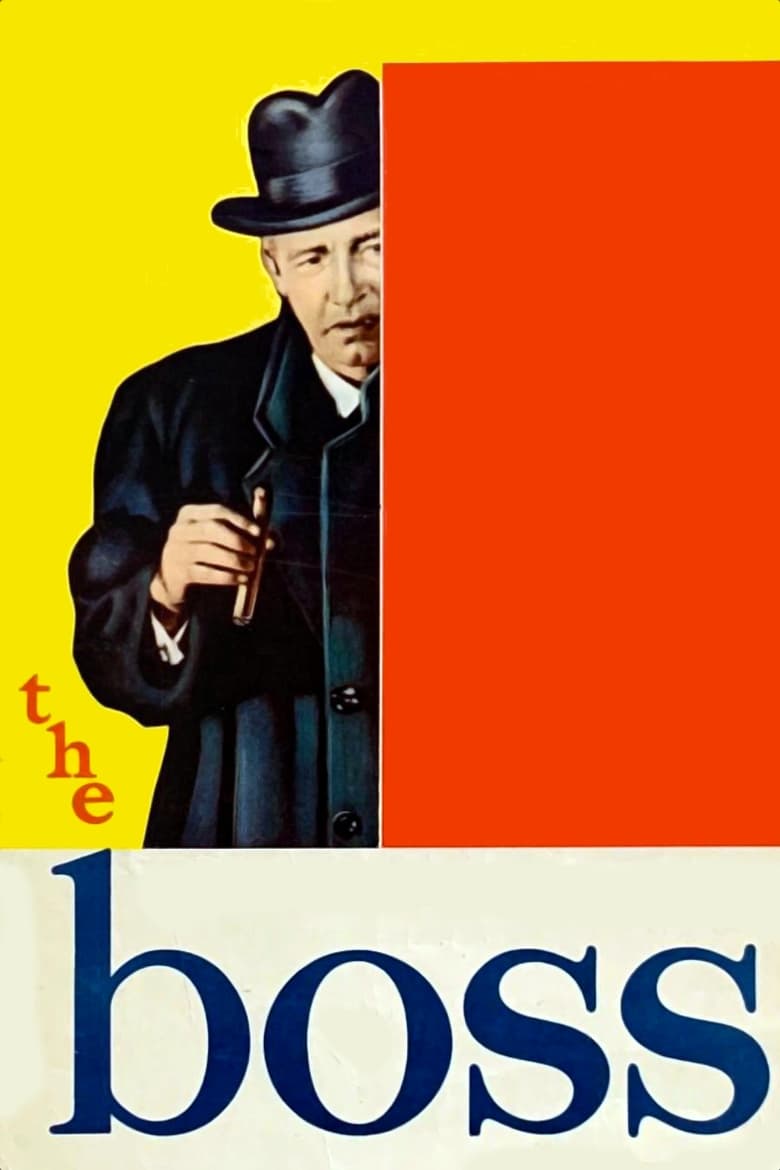
1956
ApprovedDirector
Byron Haskin
Runtime
89 minutes
Average Rating
No ratings yetSynopsis
A crusading politician falls prey to the temptations of power.
Overall Score
Limited
Category Breakdown
LGBTQ+ Representation
The film adheres to the heteronormative social structures of the 1950s. It focuses on traditional romantic entanglements and marital dynamics. No queer subtext or non-cisnormative identities are present.
Gender Representation
Gender hierarchies reflect the era's traditional norms. Female characters like Elsie Reynolds often serve as reactive elements to the male protagonist. Agency remains heavily concentrated in male decisions and outbursts.
Racial & Ethnic Diversity
The cast appears predominantly white and Anglo-Saxon. While Gloria McGehee is credited, the narrative focuses on localized political power struggles. It lacks intersectional breadth or diverse casting.
Religious & Cultural Diversity
The film critiques political institutions by portraying the kingpin system as corrupt. However, it focuses on individual moral failings rather than systemic critiques. The morality remains relatively binary.
Disability Representation
There is no evidence of characters navigating physical disabilities or neurodivergence. No mental health conditions serve as meaningful narrative arcs within the film.
Strengths
Areas for Improvement
AI Analysis
The Boss is a mid-century crime noir that prioritizes individualistic struggle over intersectional exploration. The narrative centers on Matt Brady’s reactionary behavior and his battle against his brother’s political hegemony. It functions primarily as a character study of self-destruction. While the film offers a critique of political corruption, it does so through a traditional lens of individual morality. It reinforces the social and gendered norms prevalent in 1950s American cinema rather than deconstructing them. Ultimately, the film lacks the intentionality required to disrupt established hierarchies. It remains a product of its temporal context, focusing on personal temperament and the consequences of impulse.
1947
1949
1951
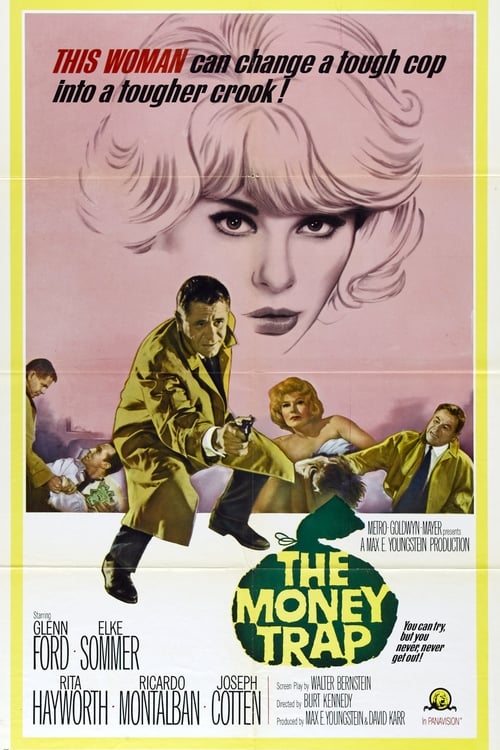
1965
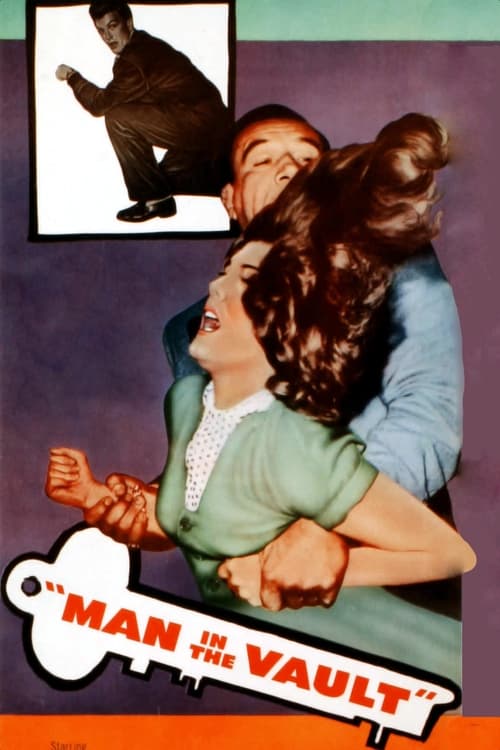
1956
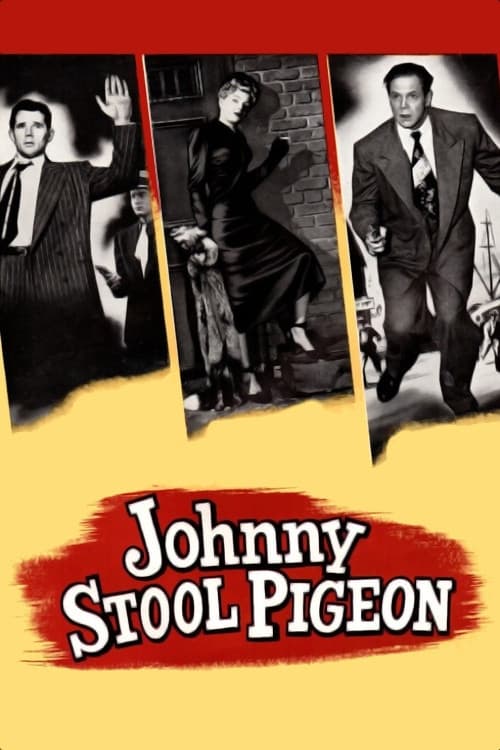
1949
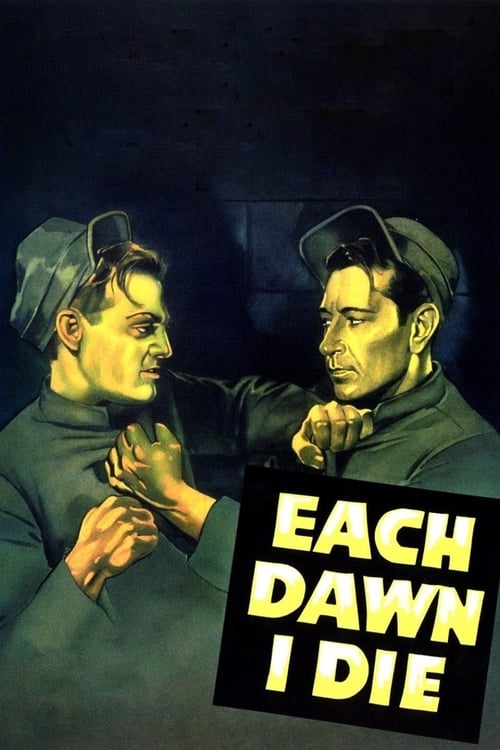
1939
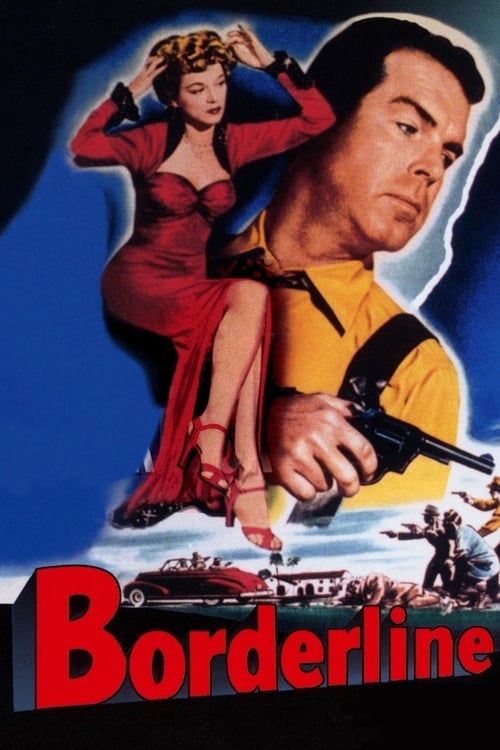
1950
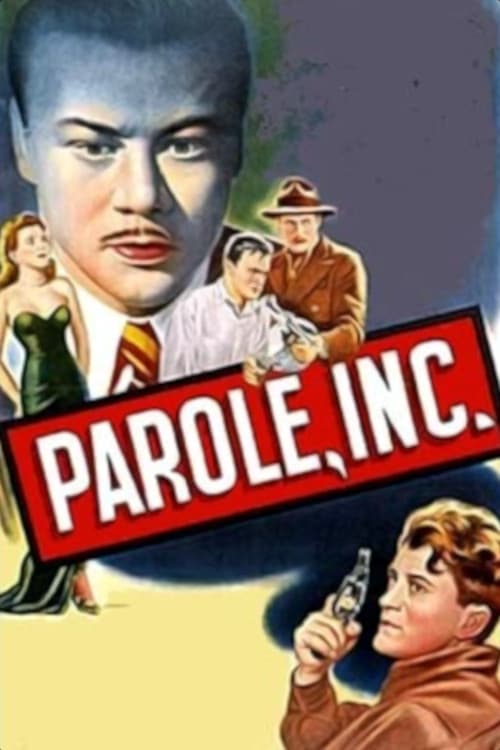
1948
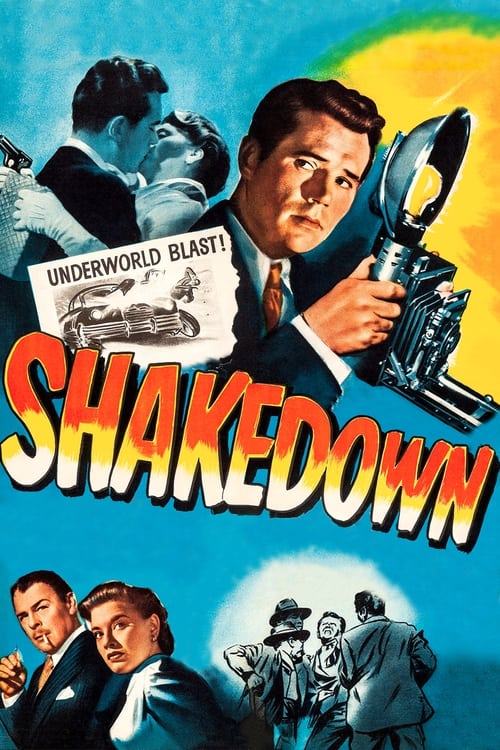
1950
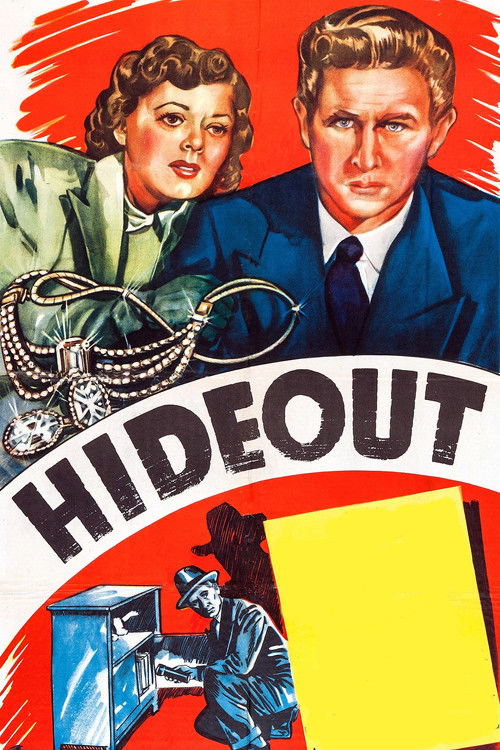
1949

1937
No reviews yet. Be the first to share your thoughts on this movie!
Use the rating form above to leave a star rating and optional review.