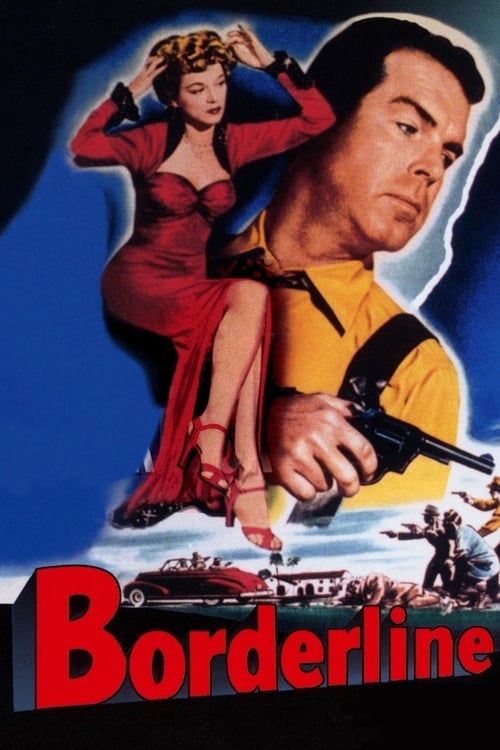
Borderline
1950
No user ratings available yet
Representation score: 1.9 out of 10
Representation Score
Minimal
1949
NRDirector
William Castle
Runtime
75 minutes
Average Rating
No ratings yetNew Showbiz Analysis
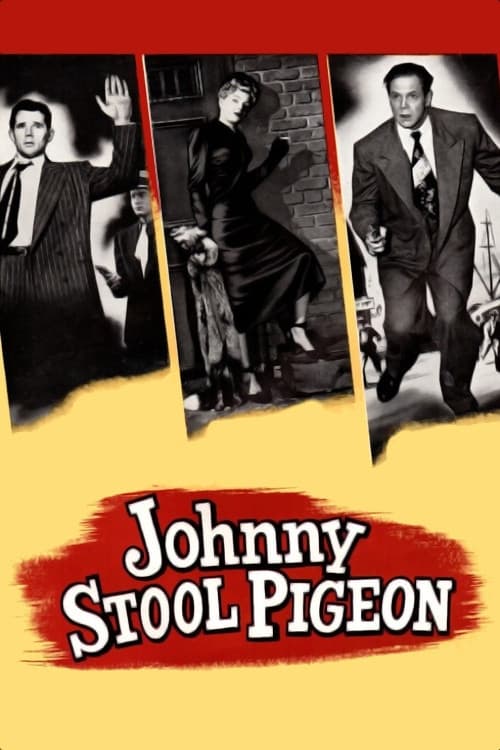
Johnny Stool Pigeon is a conventional crime drama that upholds the social hierarchies of the post-war era. The film relies on period-specific archetypes without challenging them. Representation is minimal, reflecting the homogeneous casting and social norms typical of 1949 crime procedurals. Ultimately, the film does not aim to disrupt conventional expectations, remaining a product of its time, focused on the tension between legal authority and criminal consequence.
Category Breakdown
The film does not include any representations of LGBTQ+ identities or subtext. It lacks any narrative elements that question the assumption that everyone is straight or cisgender.
The characters follow traditional mid-century gender roles, including the classic femme fatale archetype. Women do not have roles that challenge the dominance of masculine leadership or established hierarchies.
The casting reflects the homogeneity of the late 1940s. There is no evidence of significant racial diversity or characters of color with substantial influence in the story.
The story centers on the moral dilemma of informing within a criminal underworld. It does not critique Western institutions such as religion or capitalism in a systemic way.
There is no depiction of characters with visible or invisible disabilities. The narrative focuses on socioeconomic and moral conflicts.
Present on Screen
Limited or Absent
Official Synopsis
A federal agent infiltrates a crime syndicate.
1950
1951

1948
1961

1949

1953
1950
1949
No reviews yet. Be the first to share your thoughts on this movie!
Use the rating form above to leave a star rating and optional review.