Lucky Jo
1964
No user ratings available yet
Representation score: 2.9 out of 10
Representation Score
Limited
1967
Director
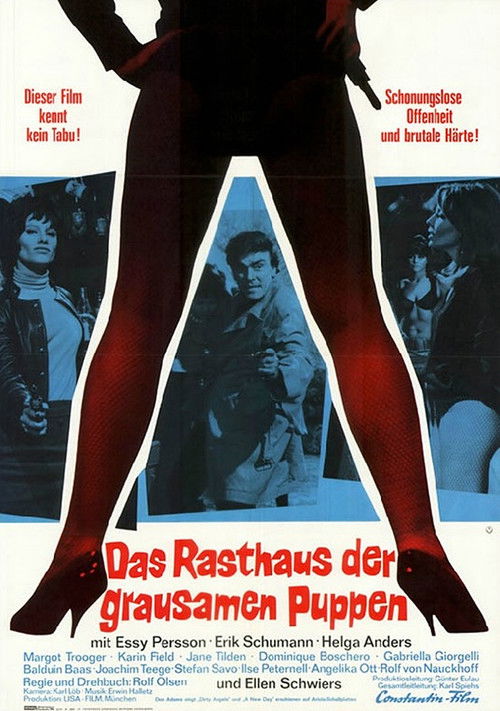
Rolf Olsen
Runtime
96 minutes
Average Rating
No ratings yetNew Showbiz Analysis
Devil's Girls is a genre-driven crime piece that reflects the social and casting constraints of the late 1960s. It prioritizes sensationalism and commercial clichés over progressive storytelling or social critique. The film provides visibility for women through its female ensemble, yet it remains tied to traditional gendered peril. The lack of racial and LGBTQ+ diversity aligns with the era's homogeneous production standards. Ultimately, the film functions as a standard exploitation narrative, lacking the intentionality needed to disrupt traditional hierarchies or offer multi-layered perspectives.
Category Breakdown
The film does not include any representations of LGBTQ+ identities or same-sex relationships. It focuses on a traditional crime storyline rather than exploring queer themes.
The film features a strong female ensemble, but it relies on era-specific gender clichés such as the femme fatale. While Betty plays a significant role, the narrative emphasizes sensationalized female criminality.
The production adheres to the homogeneous casting standards of 1967. There is no indication of non-white characters or diverse ethnic representation.
The story operates within a conventional crime trajectory that upholds established social orders. It does not challenge or deconstruct Western institutions or cultural norms.
There is no information available regarding the portrayal of physical or neurodivergent characters in this film.
Present on Screen
Limited or Absent
Official Synopsis
Betty is in jail after a failed raid on a jewelry store while her accomplice Bob escaped. But by chance she finds Bob's hiding place and towers with four other girls. *English title is "The Devil's Girls" not "Devil's Girls"
1964

1955
1957
1958
1956

1972

1957
1972
No reviews yet. Be the first to share your thoughts on this movie!
Use the rating form above to leave a star rating and optional review.