Billy the Kid
1941
No user ratings available yet
Diversity score: 1.7 out of 10
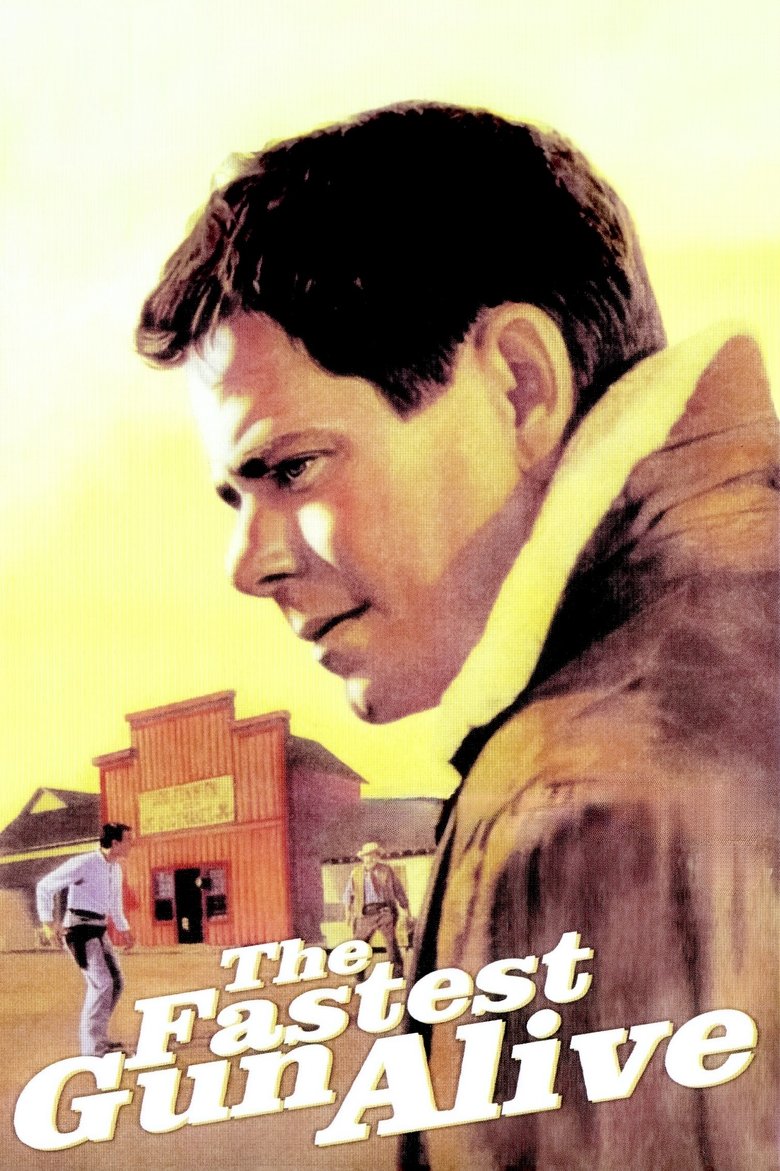
1956
NRDirector
Russell Rouse
Runtime
89 minutes
Average Rating
No ratings yetSynopsis
Whenever it becomes known how good he is with guns, ex-gunman George and his wife Dora have to flee the town, in fear of all the gunmen who might want to challenge him. Unfortunately he again spills his secret when he's drunk. All citizens swear to keep his secret and support him to give up his guns forever -- but a boy tells the story to a gang of wanted criminals. Their leader threatens to burn down the whole town, if he doesn't duel him.
Overall Score
Minimal
Category Breakdown
LGBTQ+ Representation
The film contains no identifiable LGBTQ+ characters or narratives. It presents a strictly heteronormative social landscape with no evidence of non-cisnormative identities.
Gender Representation
The narrative reinforces traditional hierarchies where the male protagonist drives the action. The female lead, Dora, remains largely reactive, serving as a supportive domestic archetype.
Racial & Ethnic Diversity
The setting reflects the historical homogeneity of mid-century Westerns. The story focuses on a predominantly white community with no significant presence of characters of color.
Religious & Cultural Diversity
The plot operates within a traditional Western moral framework. It emphasizes community stability and mid-century values regarding social order and the sanctity of the family unit.
Disability Representation
There are no visible or invisible disabilities portrayed. Characters are defined by the physical capabilities required by the Western genre rather than neurodivergence or chronic illness.
Strengths
Areas for Improvement
AI Analysis
The film is a standard mid-century Western that adheres strictly to the genre conventions and social hierarchies of 1956. It utilizes a traditional masculine framework to drive the plot, focusing on the tension between individual reputation and domestic stability. Because the creative direction aligns with established social norms, the film does not attempt to subvert or disrupt conventional expectations. It functions as a morality play that emphasizes the consequences of individual actions within a frontier setting. Ultimately, the work lacks intentionality regarding intersectional representation, relying instead on established archetypes like the reformed gunman and the supportive wife.
1941
1959

1952
1952
1967
1966
1965
1953
1967
1961
1971
No reviews yet. Be the first to share your thoughts on this movie!
Use the rating form above to leave a star rating and optional review.