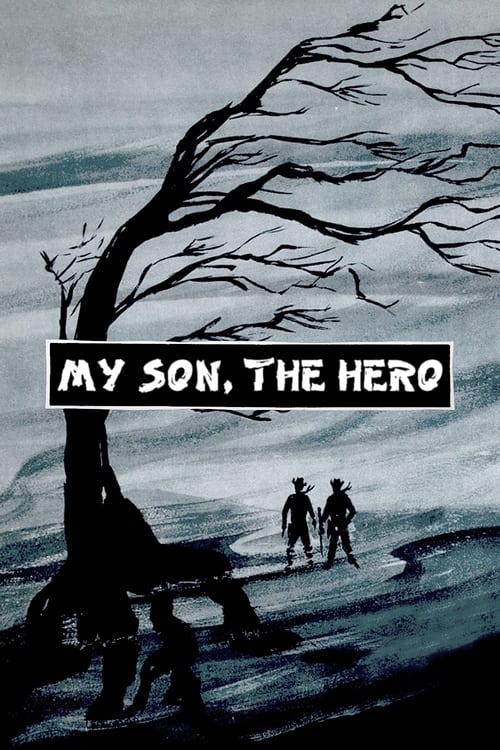
My Son, the Hero
1961
No user ratings available yet
Representation score: 3.3 out of 10
Representation Score
Limited
1966
Director
Arturo Ripstein
Runtime
90 minutes
Average Rating
No ratings yetNew Showbiz Analysis
Arturo Ripstein’s film provides a culturally authentic Mexican perspective that avoids the Eurocentric lens typical of Westerns. By centering a non-Anglo-Saxon cast, the film maintains a regional identity distinct from Hollywood traditions. However, the film remains tied to the conservative social structures of its time. It relies heavily on patriarchal hierarchies and traditional gender roles, offering little room for LGBTQ+ identities or women's ability to drive the story. Ultimately, the film succeeds as a deconstruction of justice and honor. It uses a fatalistic tone to critique the cyclical nature of violence and the weight of social institutions, even if it lacks progressive social representation.
Category Breakdown
The film adheres to the social norms of its time, focusing on traditional family structures and patriarchal lineages without delving into diverse gender identities.
It reinforces traditional gender roles through a strict patriarchal hierarchy. While it explores masculine legacies and violence, it does not significantly challenge the roles of women.
The film offers a culturally authentic depiction of the Mexican countryside. It avoids the whitewashing common in Western films by featuring a non-Anglo-Saxon cast.
The story critiques traditional community structures and social doctrines. It examines how rumors and vengeance can disrupt objective morality within a fatalistic, existentialist worldview.
There are no visible representations of physical or neurodivergent disabilities. Such traits are not used as central plot devices or character elements.
Present on Screen
Limited or Absent
Official Synopsis
A man comes home after serving 18 years in jail for murder in this routine western. Although the man killed in self defense, rumors in town circulated that he murdered the victim in cold blood. The ex-con wants to get his life together, but the two sons of the slain man are gunning for the man who killed their father.
1961
1972
1967
1967
1961

1959
1969
1958
No reviews yet. Be the first to share your thoughts on this movie!
Use the rating form above to leave a star rating and optional review.