Mad Dog Morgan
1976
No user ratings available yet
Diversity score: 3.5 out of 10

1953
NRDirector
Alfred L. Werker
Runtime
92 minutes
Average Rating
No ratings yetSynopsis
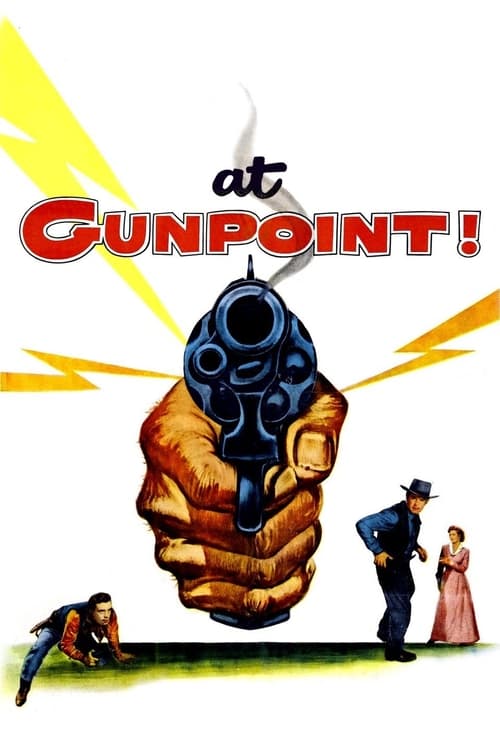
An outlaw woman helps one Arizona convict stop another with a Gatling gun.
Overall Score
Minimal
Category Breakdown
LGBTQ+ Representation
The film adheres to the heteronormative standards of the 1950s Western genre. There are no depictions of same-sex intimacy or non-cisnormative gender identities.
Gender Representation
An outlaw woman serves as a central figure, offering a slight departure from purely domestic female archetypes. However, the narrative remains anchored in male-dominated power dynamics.
Racial & Ethnic Diversity
The film appears to follow the era's standard of depicting homogeneous frontier settings. There is no evidence of significant racial blending or non-white protagonists with high agency.
Religious & Cultural Diversity
The story utilizes common frontier justice tropes centered on individual conflict. It does not appear to critique Western institutions or societal norms through a systemic lens.
Disability Representation
There is no evidence of characters with visible or invisible disabilities. The narrative lacks any indication of neurodivergent representation.
Strengths
Areas for Improvement
AI Analysis
Devil's Canyon functions as a quintessential mid-century Western, reinforcing the traditional hierarchies and tropes of its era. The film focuses on individualistic conflict rather than exploring intersectional complexities or systemic critiques. While the presence of a female outlaw provides a minor deviation from passive femininity, the broader narrative structure remains firmly rooted in Anglo-centric, male-dominated frameworks. The production serves as a baseline for standard 1950s genre conventions.
No reviews yet. Be the first to share your thoughts on this movie!
Use the rating form above to leave a star rating and optional review.