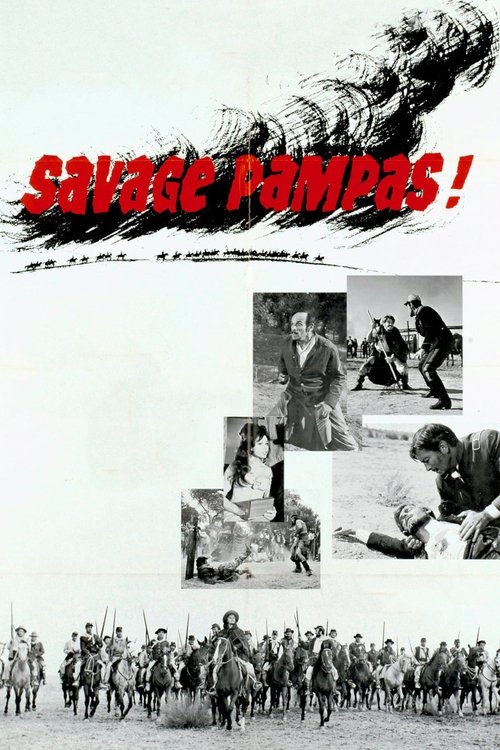
Savage Pampas
1966
No user ratings available yet
Diversity score: 3.8 out of 10
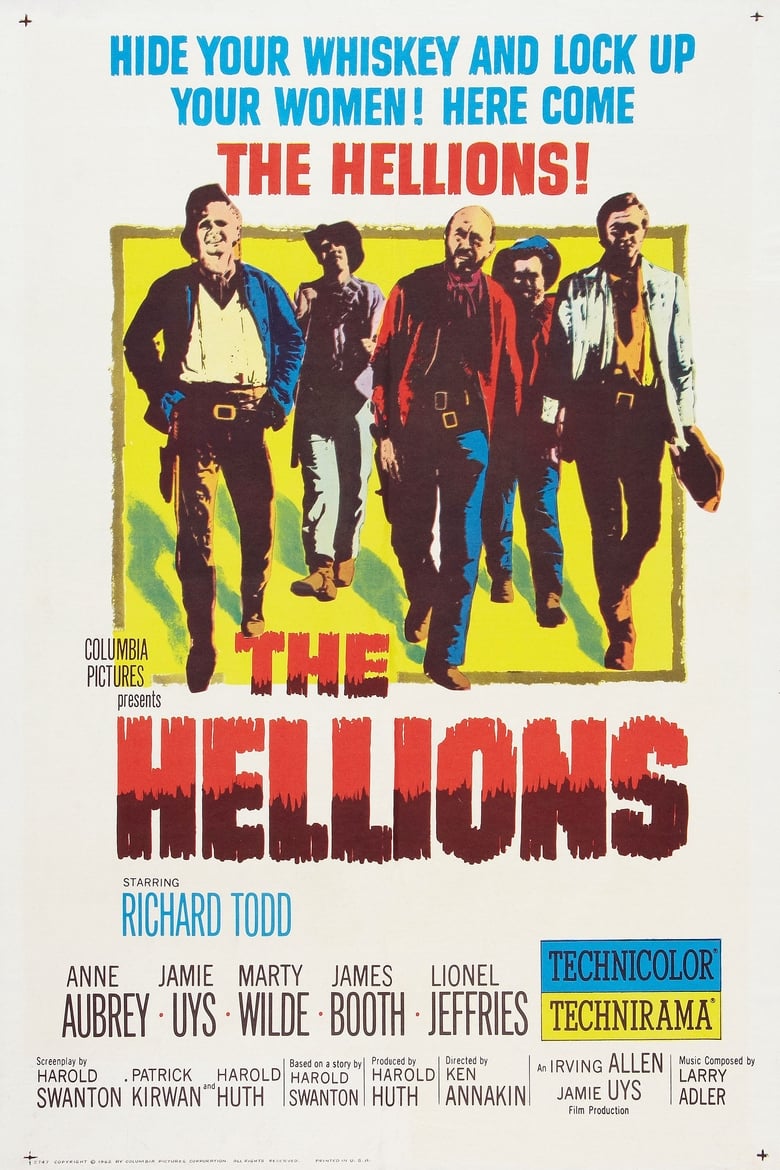
1961
ApprovedDirector
Irving Allen, Ken Annakin
Runtime
80 minutes
Average Rating
No ratings yetSynopsis
Luke Billings (Lionel Jeffries) and his family have a problem with the new police sergeant Sam Hargis (Richard Todd) so they take over a small Transvaal town with the attention of drawing Hargis into a showdown. Hargis tries to get back up from the townsfolk who do not want to know, so is forced to lay low. As things get out of hand one of the Billings boys takes an interest in the storekeeper's wife, Priss Dobbs (Anne Aubrey). Having had enough her husband, Ernie (Jamie Uys) takes up the gun and heads down the main street alone. An act that prompts Hargis to join him. Slowly, the townsfolk turn up to back them up.
Overall Score
Limited
Category Breakdown
LGBTQ+ Representation
The film adheres to the heteronormative standards of 1961. The narrative focuses on heterosexual romantic interests and traditional interpersonal conflicts. No non-cisnormative identities or same-sex intimacy are present.
Gender Representation
Masculine conflict and patriarchal dynamics drive the plot. While Priss Dobbs acts as a catalyst for male action, her agency remains reactive. Women primarily function as objects of interest or motivation.
Racial & Ethnic Diversity
Set in the Transvaal, the story centers on settler or colonial-adjacent dynamics. The narrative lacks evidence of a non-white majority cast or the subversion of colonial hierarchies.
Religious & Cultural Diversity
The film explores community resistance against centralized authority. However, it reinforces traditional social structures through frontier justice tropes rather than offering a critique of institutional power.
Disability Representation
There are no visible or invisible disabilities portrayed as central to the character arcs or plot progression.
Strengths
Areas for Improvement
AI Analysis
The Hellions is a traditional mid-century adventure drama that relies heavily on established masculine tropes. The narrative architecture reinforces the social hierarchies and heteronormative structures typical of the 1961 cinematic era. While the film depicts a community's collective response to authority, it does so through the lens of conventional Western storytelling. It lacks intentional subversion of gender, racial, or institutional norms. Ultimately, the film functions as a genre piece that maintains the status quo of its period rather than challenging systemic structures.
No reviews yet. Be the first to share your thoughts on this movie!
Use the rating form above to leave a star rating and optional review.