
Ardent Summer
1973
No user ratings available yet
Representation score: 4.8 out of 10
Representation Score
Fair
1971
RDirector
Burt Kennedy
Runtime
85 minutes
Average Rating
No ratings yetNew Showbiz Analysis
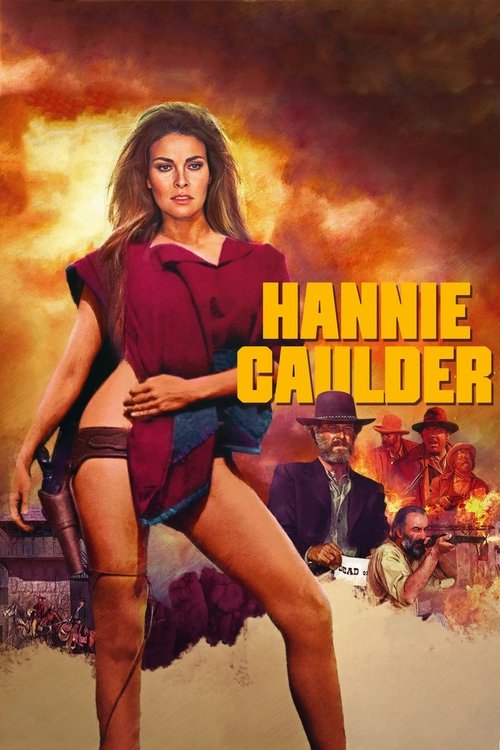
Hannie Caulder stands out as a revisionist Western that challenges the male dominance in storytelling. By focusing on a woman's quest for vengeance, the film upends traditional gender hierarchies. However, the film's impact is limited by its lack of diverse racial and LGBTQ+ representation. The setting remains a homogeneous white frontier, and the narrative avoids non-straight-centered identities. Ultimately, the film explores themes of individual empowerment. It uses a female protagonist to question the myth of institutional justice, despite being constrained by the era's social norms.
Category Breakdown
The film does not include any LGBTQ+ characters or narratives. All romantic and sexual relationships are portrayed within traditional heterosexual dynamics.
Hannie Caulder subverts the damsel in distress cliché by becoming a woman who masters firearms. She transitions from vulnerability to physical strength, challenging traditional gender roles.
The cast is primarily white, reflecting the historical context of the American frontier. The film does not actively diversify the racial makeup or challenge this uniformity.
The narrative critiques the 'civilizing' myth of the West through moral relativism. It portrays a lawless frontier where personal morality trumps formal, state-imposed authority.
There is no meaningful representation of physical or neurodivergent disabilities. Trauma drives the protagonist's transformation, but the film does not explore disability as a lived experience.
Present on Screen
Limited or Absent
Official Synopsis
After she's raped by the outlaw trio who murdered her husband, a frontierswoman hires a bounty hunter to instruct her in the ways of a gun in order to exact her revenge.
1973
1973

1965
1956

2017

1959
1916
1975
No reviews yet. Be the first to share your thoughts on this movie!
Use the rating form above to leave a star rating and optional review.