Find another title
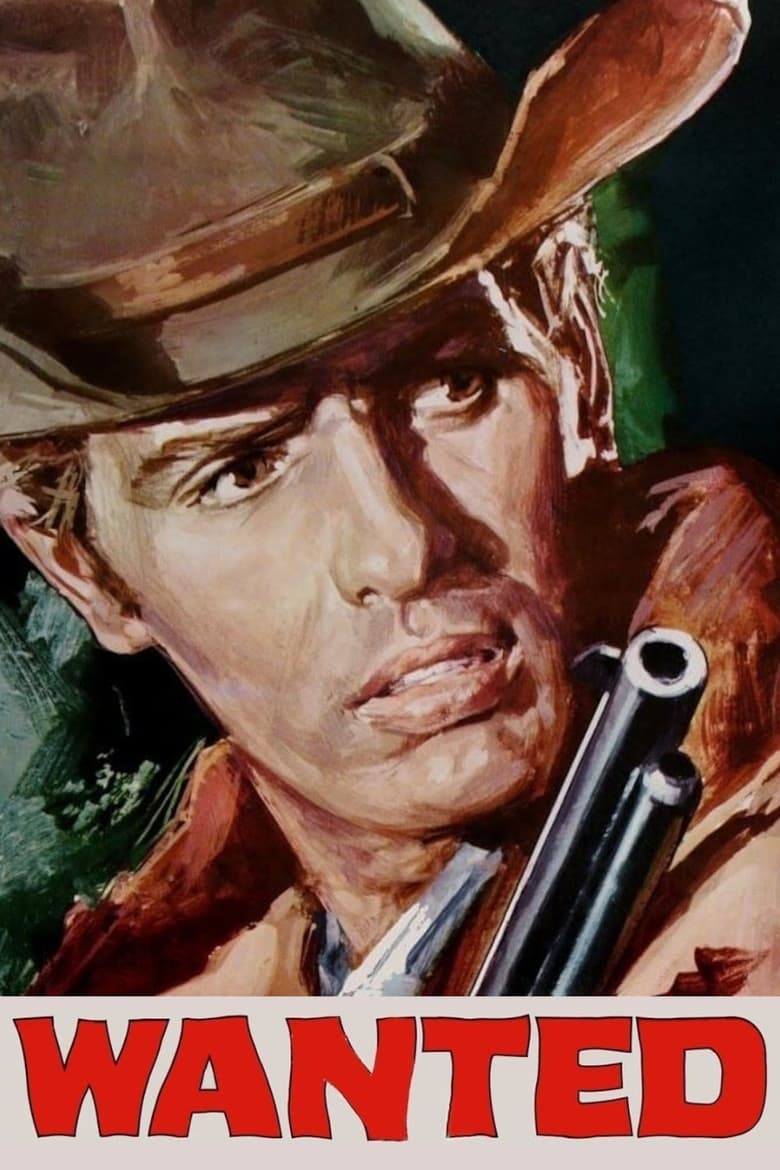
Wanted
1967
Director
Giorgio Ferroni
Runtime
104 minutes
Average Rating
No ratings yetSynopsis
A local sheriff is unjustly accused of murder in a small town and forced to flee. He gets rid of his enemies one by one and tries to prove his innocence.
Where to Watch
Diversity & Representation
Overall Score
Minimal
Category Breakdown
LGBTQ+ Representation
The film adheres strictly to 1960s Spaghetti Western conventions. There is no evidence of non-cisnormative identities or same-sex intimacy within the character arcs.
Gender Representation
Female characters occupy secondary, supportive roles that do not disrupt established power dynamics. The narrative focus remains centered on masculine agency and physical struggle.
Racial & Ethnic Diversity
The cast is predominantly white, reflecting the production standards of 1967 Italian cinema. The film lacks diverse ethnic ensembles or non-white characters as central agents.
Religious & Cultural Diversity
The story follows a standard moral framework of frontier justice and individualist survival. It lacks overt religious commentary or systemic critiques of Western institutions.
Disability Representation
There is no discernible focus on physical or neurodivergent disabilities. Characters are defined by the physical capabilities required for action-oriented genre demands.
Strengths
- The film successfully executes the established tropes of the Spaghetti Western genre.
Areas for Improvement
- The narrative lacks racial and ethnic diversity, presenting a homogeneous view of the frontier.
- Female characters are relegated to secondary roles without significant agency.
- There is no representation of LGBTQ+ identities or neurodivergent characters.
- The film fails to challenge traditional gender hierarchies or social norms.
AI Analysis
Wanted is a conventional genre piece that reinforces traditional social and cinematic hierarchies. It functions as a standard exploration of a wronged man seeking personal vindication in a lawless environment. The film relies heavily on period-specific tropes, particularly regarding masculinity and racial homogeneity. It lacks the intentionality needed to disrupt established norms or provide intersectional representation. Ultimately, the production stays within the safe boundaries of the 1967 Spaghetti Western, prioritizing genre tropes over social complexity or diverse characterization.
Rate this Movie
Reviews
No reviews yet. Be the first to share your thoughts on this movie!
Use the rating form above to leave a star rating and optional review.