Long Days of Vengeance
1967
No user ratings available yet
Representation score: 2.4 out of 10
Representation Score
Limited
1952
ApprovedDirector
Fritz Lang
Runtime
86 minutes
Average Rating
No ratings yetNew Showbiz Analysis
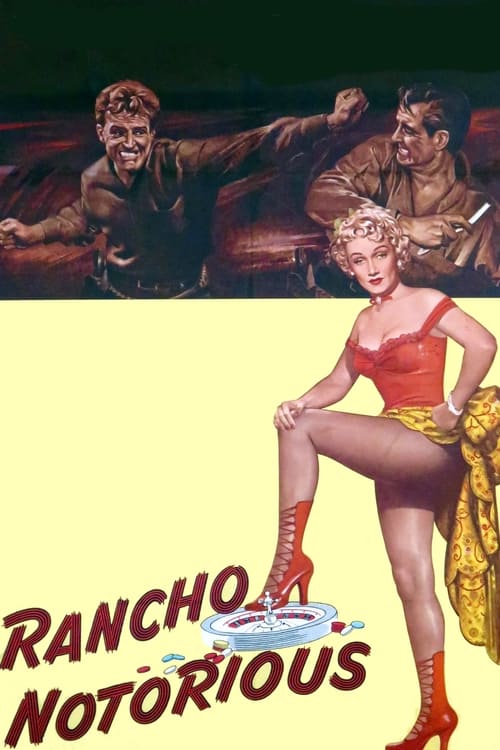
Rancho Notorious is a mid-century genre piece that prioritizes psychological tension and moral ambiguity over modern multi-layered narratives. While it avoids some reductive feminine archetypes, it remains tied to the social hierarchies of its time. The film's strength lies in its nuanced portrayal of women, yet it fails to reflect the cultural diversity of its Southwestern setting. The cast and social dynamics remain largely traditional and homogeneous.
Category Breakdown
The film does not include any LGBTQ+ characters or explore non-traditional sexual or gender identities. The interpersonal dynamics focus solely on traditional romantic and sexual relationships between male and female leads.
Barbara Stanwyck’s character plays a significant role in driving the story with moral complexity, challenging some submissive stereotypes of the era. However, the story remains centered around a masculine-driven pursuit of vengeance.
The cast is primarily composed of white actors, reflecting the homogeneous casting practices of 1952. Despite being set in the Southwest, the film lacks depth in its portrayal of non-white characters.
The narrative delves into moral relativism and situational ethics within a frontier setting. It emphasizes individualistic quests for justice without critiquing broader societal structures.
There are no prominent depictions of visible or invisible disabilities that influence the narrative or provide character depth.
Present on Screen
Limited or Absent
Official Synopsis
A man in search of revenge infiltrates a ranch, hidden in an inhospitable region, where its owner, Altar Keane, gives shelter to outlaws fleeing from the law in exchange for a price.
1967
1971
1959
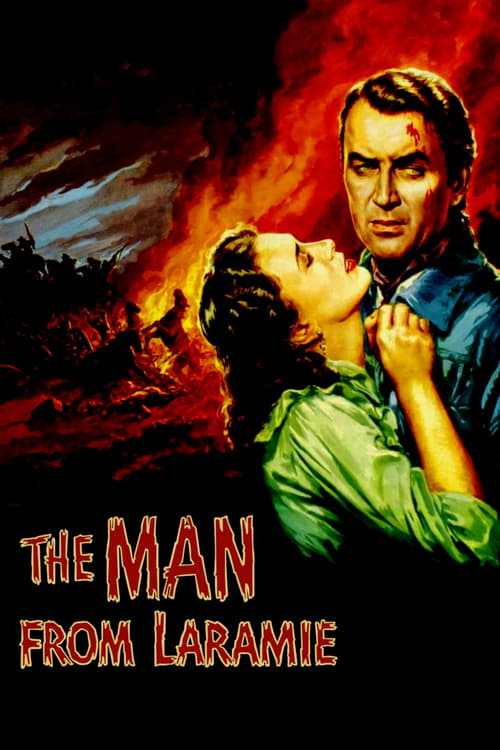
1955
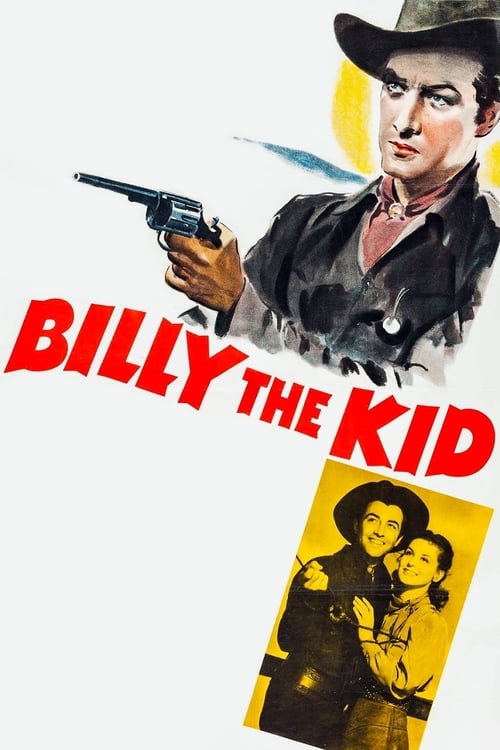
1941
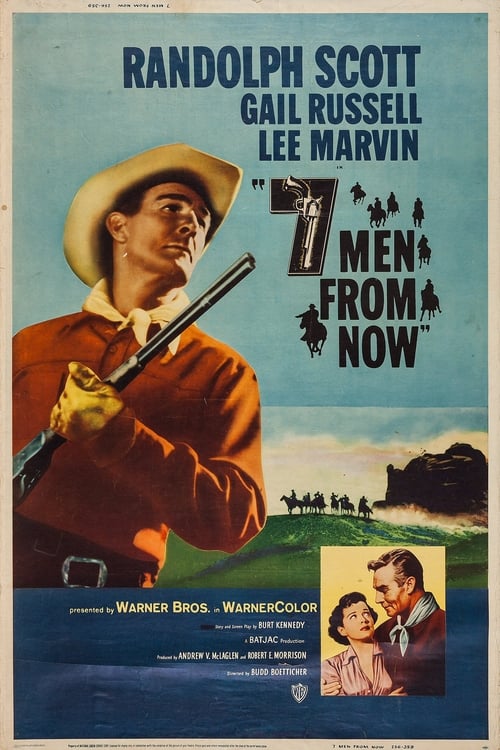
1956
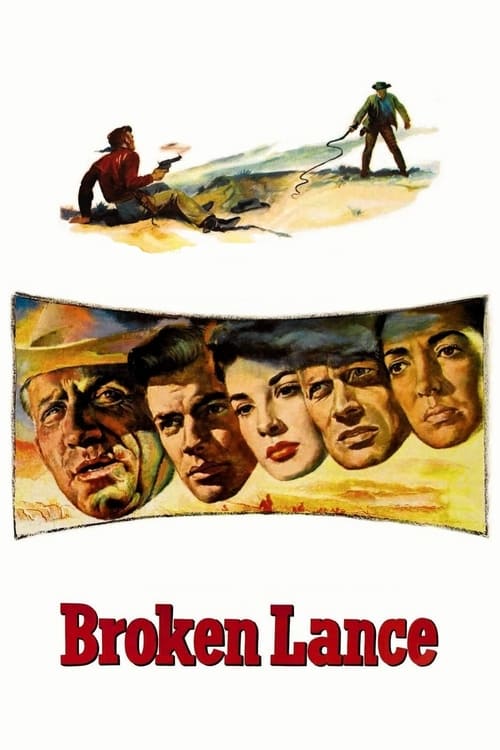
1954
1946
No reviews yet. Be the first to share your thoughts on this movie!
Use the rating form above to leave a star rating and optional review.