Pelvis
1977
No user ratings available yet
Representation score: 4.4 out of 10
Representation Score
Limited
1980
PGDirector
Nancy Walker
Runtime
124 minutes
Average Rating
No ratings yetNew Showbiz Analysis
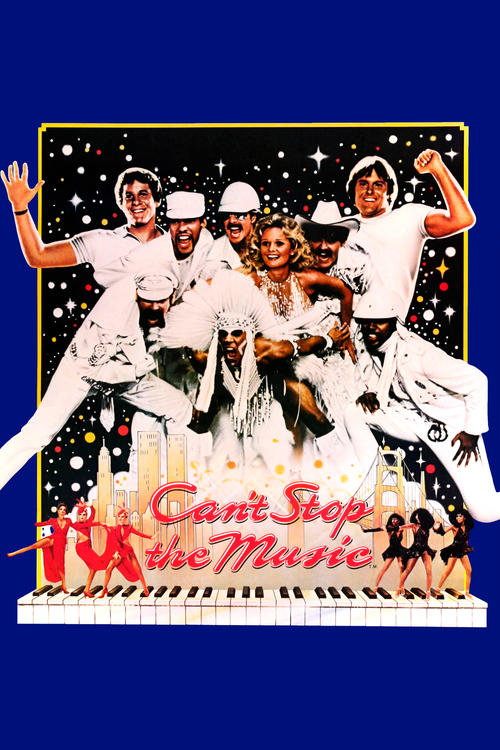
Can't Stop the Music is a product of its time, closely tied to the disco era and the Village People's connection to LGBTQ communities. However, the film leans heavily on traditional musical theater formats rather than exploring identity-based themes. While the film showcases a diverse cast that mirrors the multi-ethnic pop music scene of the time, this diversity serves the visual and musical style of the show rather than offering a critique of societal structures. Overall, the movie emphasizes performance and stardom over detailed social commentary. It celebrates the power of art within a conventional Western framework without challenging established norms.
Category Breakdown
The film focuses on the creators of the Village People, a group known for their connection to LGBTQ communities. However, the story stays focused on the musical performances rather than exploring the socio-political aspects of queer identity.
Female performers like Stephanie Mills play key roles with strong presence on stage. These characters have significant influence within the musical context, but the film follows typical gender roles from the 1980s.
The production includes a mix of Black and white performers, reflecting the integrated nature of the disco era. However, the casting does not significantly challenge traditional casting norms or provide deeper insights into diverse identities.
The story follows a classic 'follow your dreams' storyline that upholds Western values of hard work and community spirit. It avoids social critiques and maintains a positive, celebratory tone typical of musical genres.
There is no notable depiction of physical or cognitive disabilities. The story centers on the professional journeys of the main performers without addressing any disabilities.
Present on Screen
Limited or Absent
Official Synopsis
A loose biography of seminal disco hit-makers The Village People and their composer Jacques Morali.
1977
1978
1980
1968
1984
1963
1980
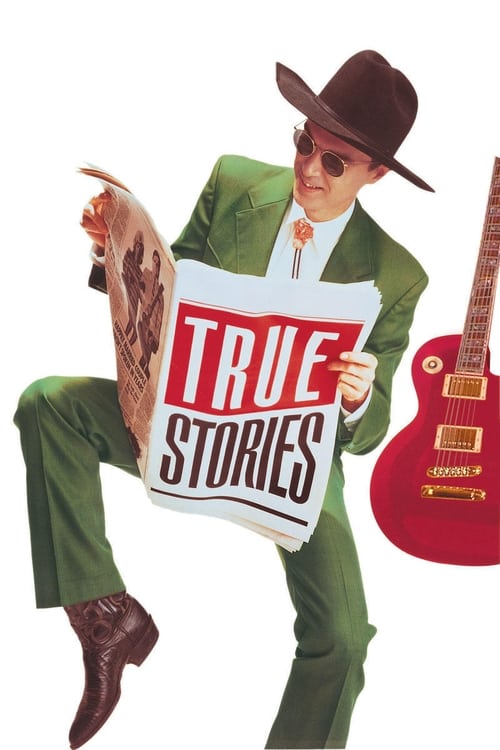
1986
No reviews yet. Be the first to share your thoughts on this movie!
Use the rating form above to leave a star rating and optional review.