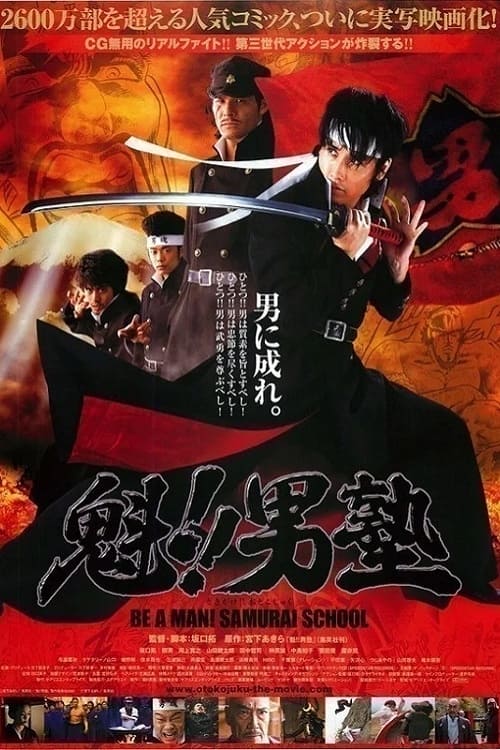
Be a Man!! Samurai School
2008
No user ratings available yet
Diversity score: 2.0 out of 10
2016
Director
Yukihiko Tsutsumi
Runtime
135 minutes
Average Rating
No ratings yetSynopsis
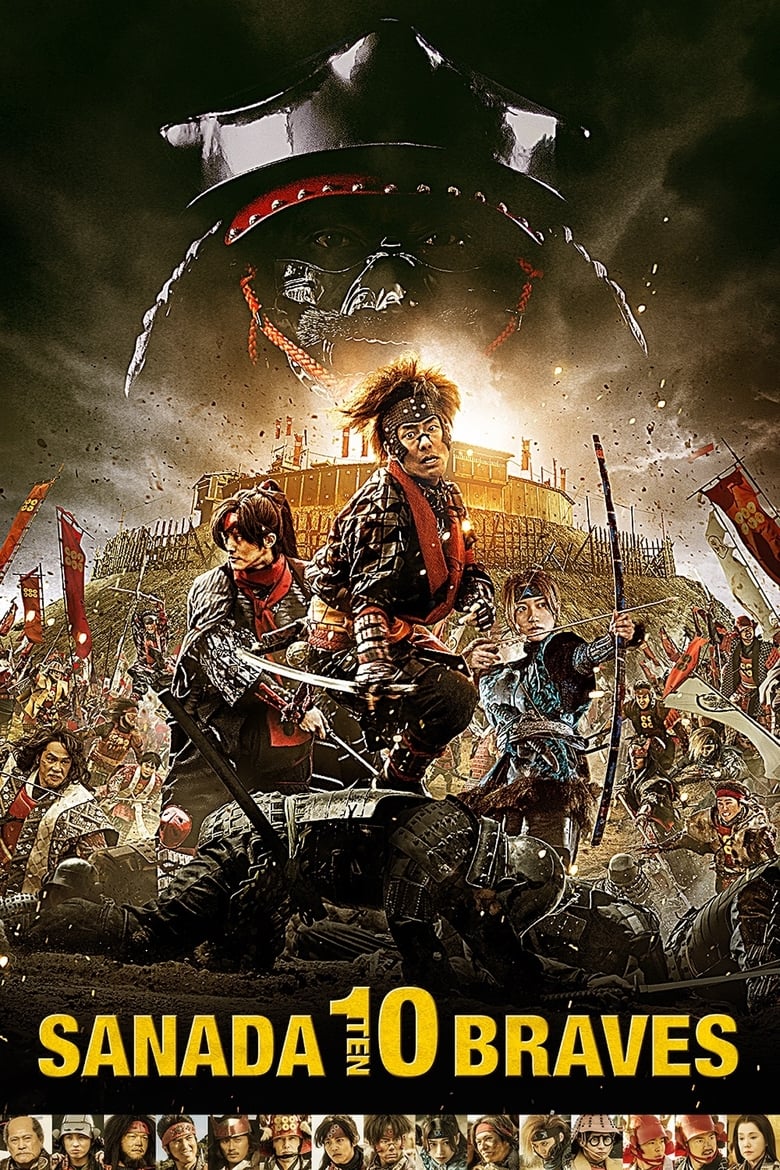
Set at the end of the Sengoku period to early Edo period, "Sanada Ten Braves" follows 10 members of a ninja group who all serve under samurai warrior Yukimura Sanada.
Overall Score
Limited
Category Breakdown
LGBTQ+ Representation
The film adheres to the heteronormative social structures of feudal Japan. There is no depiction of non-cisnormative gender identities or same-sex intimacy among the warriors or leadership.
Gender Representation
Leadership and combat agency are concentrated almost exclusively in male characters. Female presence is relegated to supportive or domestic roles rather than independent agents of change.
Racial & Ethnic Diversity
The cast is ethnically homogeneous, maintaining cultural authenticity without utilizing race-bending. The narrative operates within a singular Japanese cultural framework consistent with the period's demographics.
Religious & Cultural Diversity
The story emphasizes traditional institutions like clan loyalty and feudal duty. These structures serve as the characters' moral compass rather than subjects of critique.
Disability Representation
Characters are primarily defined by physical prowess and combat utility. There is no significant focus on neurodivergence or physical disabilities within the narrative.
Strengths
Areas for Improvement
AI Analysis
Sanada 10 Braves is a traditional period action piece that prioritizes historical fidelity and classical warrior archetypes. The film focuses on the myth-making of the Sengoku period, reinforcing established hierarchies of gender and class rather than disrupting them. The narrative architecture is built around conventional duty and honor. It avoids contemporary progressive frameworks, opting instead for a tragic portrayal of historical loyalties between the Sanada clan and the Tokugawa Shogunate. Ultimately, the film functions as a genre-driven historical drama. It celebrates the traditional bushido code and patriarchal structures of feudal Japan without attempting to subvert or deconstruct them.
2008
2013

1998
1961

1968
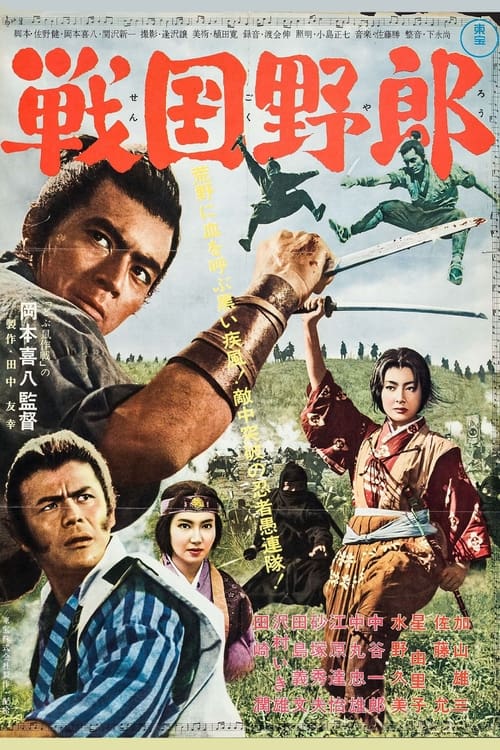
1963
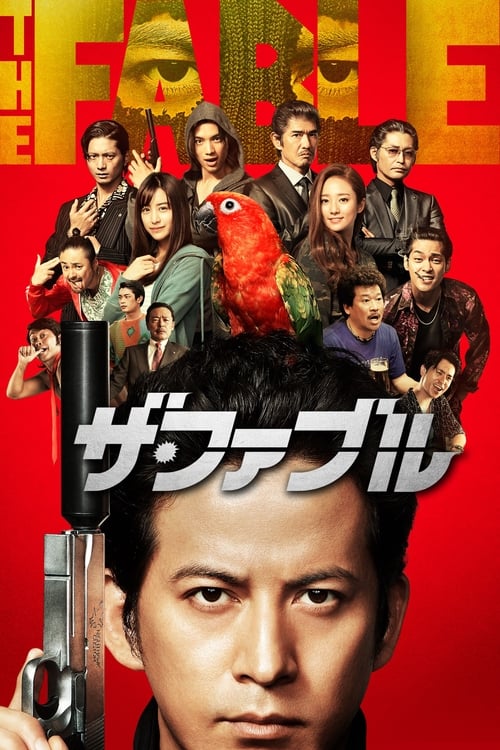
2019
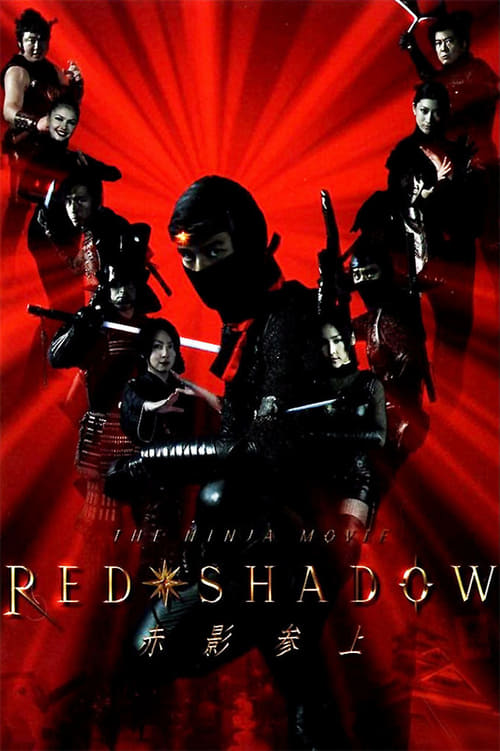
2001
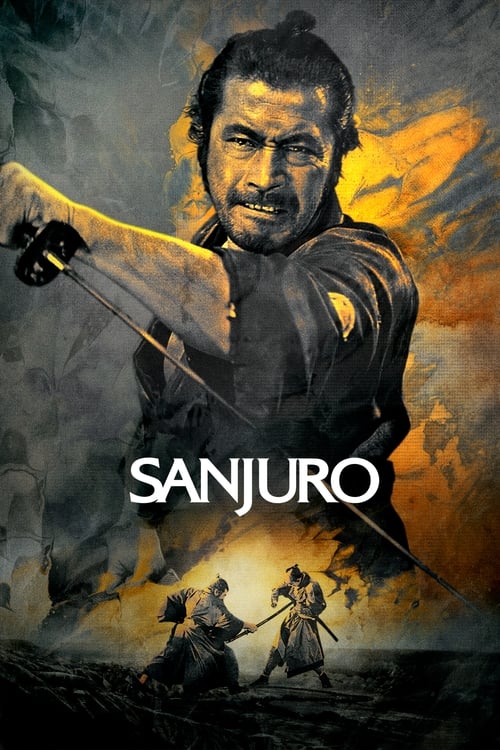
1962
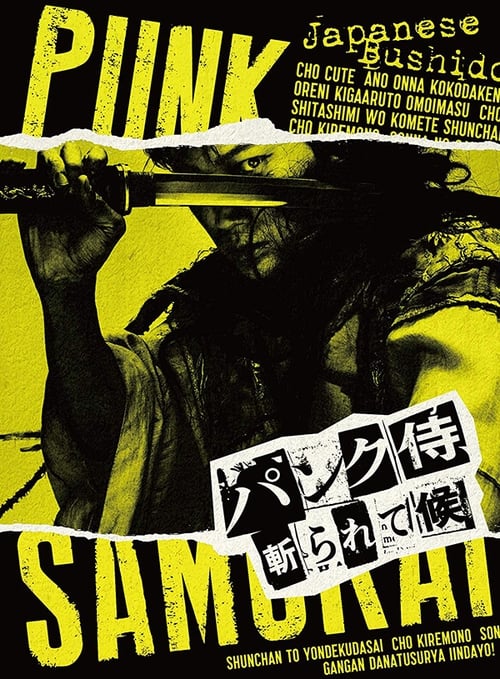
2018
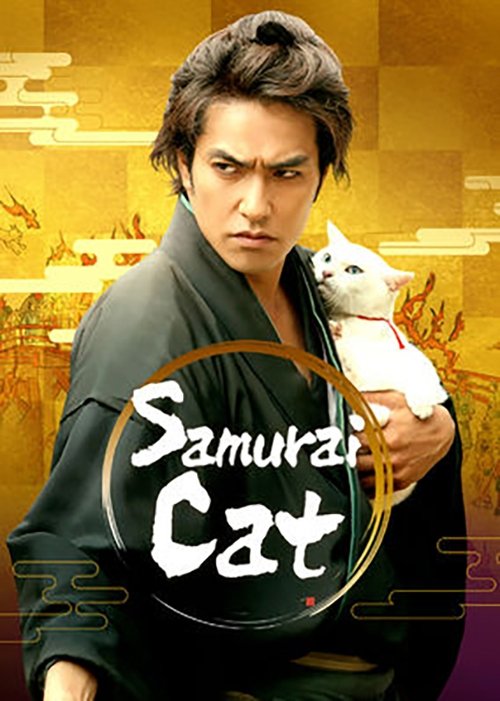
2014
No reviews yet. Be the first to share your thoughts on this movie!
Use the rating form above to leave a star rating and optional review.