Randy & the Mob
2007
No user ratings available yet
Diversity score: 5.7 out of 10
2019
Director
Keinosuke Hara
Runtime
87 minutes
Average Rating
No ratings yetSynopsis
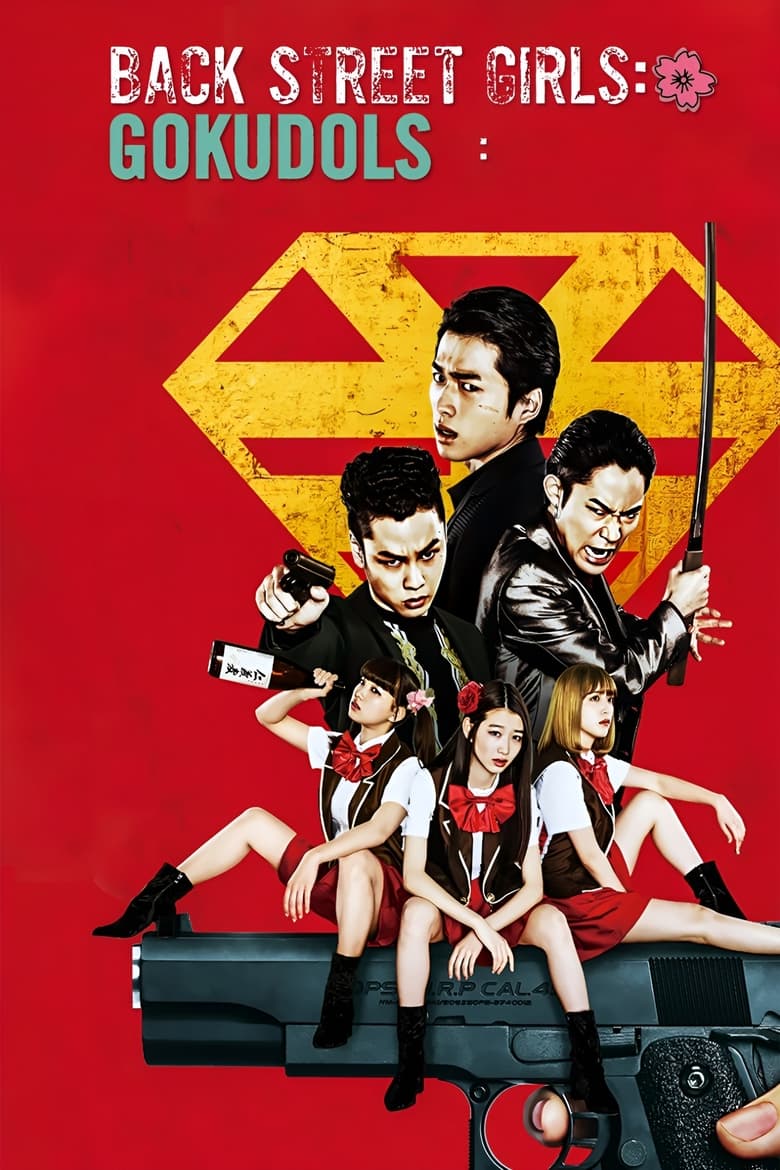
Three male gangsters are forced by their boss into becoming a trio of female pop singers.
Overall Score
Fair
Category Breakdown
LGBTQ+ Representation
The film explores gender non-conformity by forcing male gangsters into female pop idol personas. This disrupts heteronormative expectations through performative identity, though it lacks explicit queer romantic arcs.
Gender Representation
The narrative mocks conventional masculinity by stripping 'tough guy' characters of their agency. It deconstructs masculine dominance by requiring characters to master hyper-feminized aesthetics and performative grace.
Racial & Ethnic Diversity
Set within a culturally specific Japanese context, the film features a predominantly Japanese cast. It lacks diverse ethnic mixing or race-bending to challenge the setting's homogeneity.
Religious & Cultural Diversity
The story deconstructs traditional authority by framing criminal enterprise as a means of survival. It treats the Yakuza structure with absurdity rather than moral absolutism.
Disability Representation
There is no significant evidence of characters with visible or invisible disabilities being portrayed with agency. The focus remains on gender performance and criminal comedy.
Strengths
Areas for Improvement
AI Analysis
Back Street Girls: Gokudoruzu is a subversive comedy that finds its strength in the aggressive deconstruction of gender roles. By forcing male Yakuza into the roles of female pop idols, the film challenges the stability of gendered identity and mocks traditional masculine archetypes. However, the film's impact is limited by its narrow demographic scope. The narrative is deeply localized within Japan, offering little in the way of racial or ethnic diversity. Additionally, there is a notable absence of disability representation within the character arcs. Ultimately, the film succeeds as a critique of rigid social roles and performative identity, even if it remains a culturally specific and non-intersectional experience.
2007
1991
2017
2016

1997
2015
2010
2010
2002
2010
2008
2015
No reviews yet. Be the first to share your thoughts on this movie!
Use the rating form above to leave a star rating and optional review.