
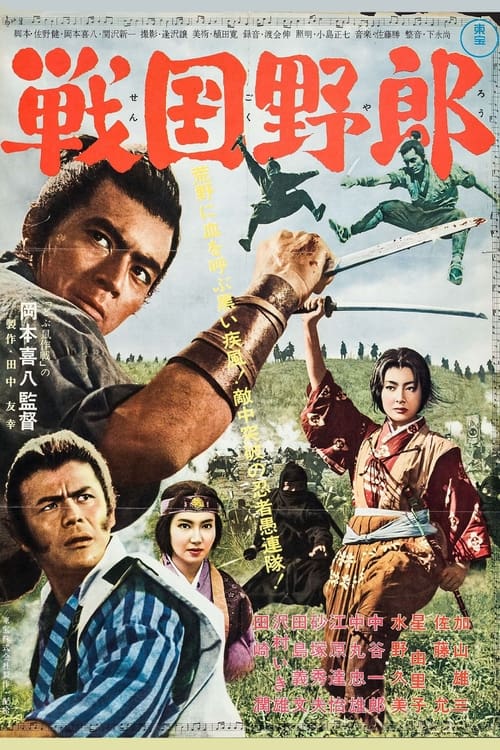
Kill!
1968
No user ratings available yet
Representation score: 2.4 out of 10
Representation Score
Fair
1963
Director
Kihachi Okamoto
Runtime
98 minutes
Average Rating
No ratings yetNew Showbiz Analysis
Warring Clans is a character-driven critique of institutional corruption. It successfully deconstructs the traditional samurai cliché of blind loyalty by focusing on a protagonist who prioritizes personal ethics over systemic duty. However, the film remains limited by its historical setting and genre focus. The narrative is heavily centered on masculine warrior dynamics, offering little visibility for gender diversity or LGBTQ+ identities. Ultimately, the film's strength lies in its thematic subversion of power structures rather than its diverse representation.
Category Breakdown
The film does not include any explicit representations of LGBTQ+ identities or same-sex relationships. There are no queer-coded narratives present in the story.
The story centers around the masculine sphere of samurai ethics and warrior roles. Female characters do not play significant roles in driving the plot or challenging traditional gender hierarchies.
Set during the Sengoku period, the film depicts a culturally homogeneous Japanese society. The story focuses on internal social divisions and corruption without highlighting ethnic diversity.
The film provides a progressive critique of traditional authority by showing powerful clans as corrupt. It emphasizes individual morality over the absolute loyalty expected in feudal structures.
There are no characters with visible or invisible disabilities mentioned in the narrative.
Present on Screen
Limited or Absent
Official Synopsis
A brave, highly principled warrior resigns his post as a body guard to the head of a powerful clan after he learns that his employers have been smuggling arms to the enemy. The remaining samurai try in vain to coerce him back, but their efforts are thwarted by crooked warriors who launch an attack...
1968
1962
2018

1964
1967
1969
1970
2016
No reviews yet. Be the first to share your thoughts on this movie!
Use the rating form above to leave a star rating and optional review.