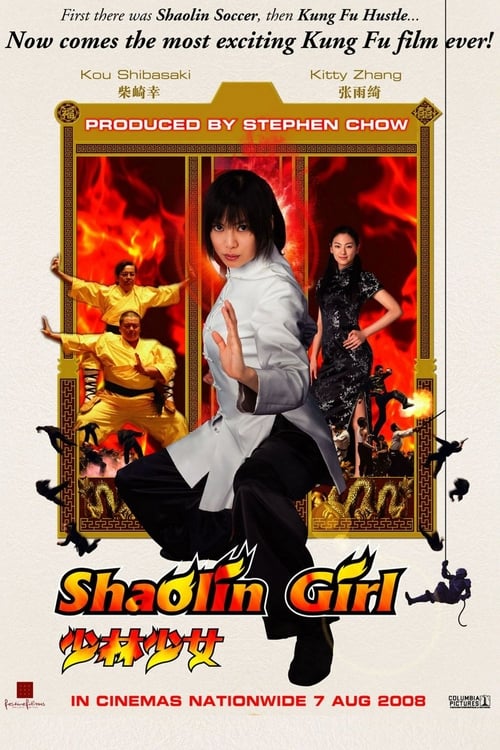
Shaolin Girl
2008
No user ratings available yet
Representation score: 5.6 out of 10
Representation Score
Minimal
2018
Director
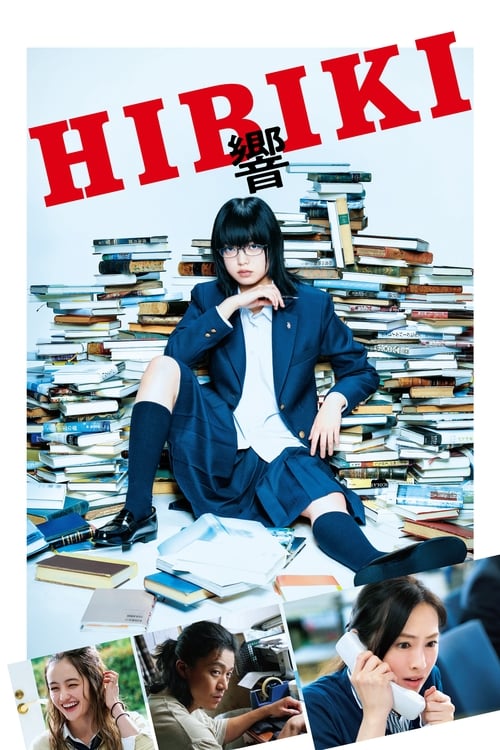
Sho Tsukikawa
Runtime
106 minutes
Average Rating
No ratings yetNew Showbiz Analysis
Hibiki is a character-driven story set in a specific cultural context, focusing on a young artist's journey. It adheres to traditional social frameworks without engaging with multi-layered themes. The narrative remains within a homogeneous cultural setting, lacking engagement with diverse racial or non-straight identities. It serves as a focused coming-of-age story without addressing broader social issues. Overall, the film does not represent disability or diverse cultural backgrounds, presenting a narrow, traditional perspective.
Category Breakdown
The film does not include any LGBTQ+ characters or stories involving non-straight relationships. Social interactions stay within traditional boundaries.
The main character is a talented high school girl, but the story often focuses on male-dominated social circles. Traditional gender roles are emphasized without challenging male-centric structures.
The cast is primarily Japanese, with no representation of multi-ethnic or racially diverse backgrounds. The story does not engage with different racial identities.
The story takes place in a typical Japanese high school setting. It focuses on a personal artistic journey without critiquing broader societal or religious issues.
There are no characters with visible or invisible disabilities. The characters are portrayed as neurotypical and physically able.
Present on Screen
Limited or Absent
Official Synopsis
A high school girl with overwhelming literary talent shakes up the lives of those around her with her brilliant spontaneity.
2008
2015
2016
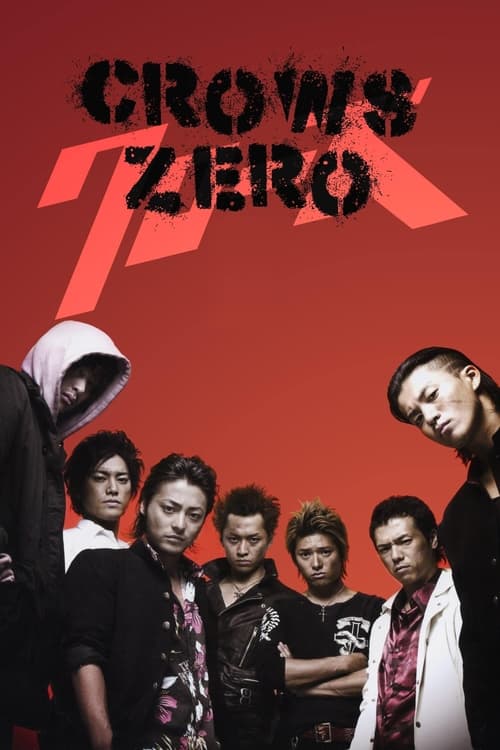
2007
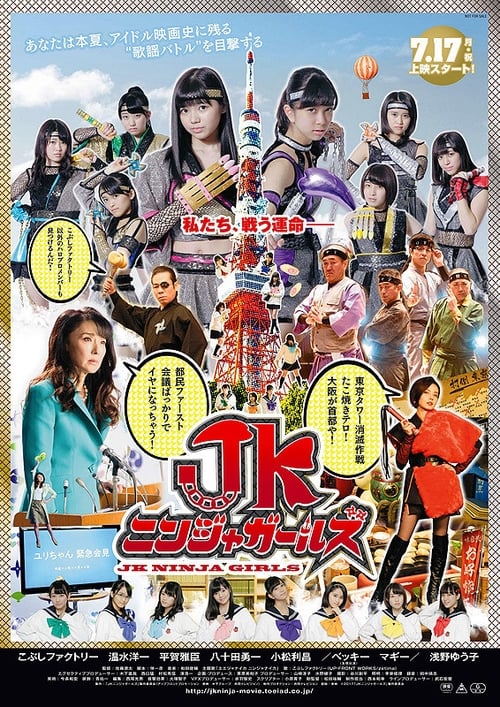
2017
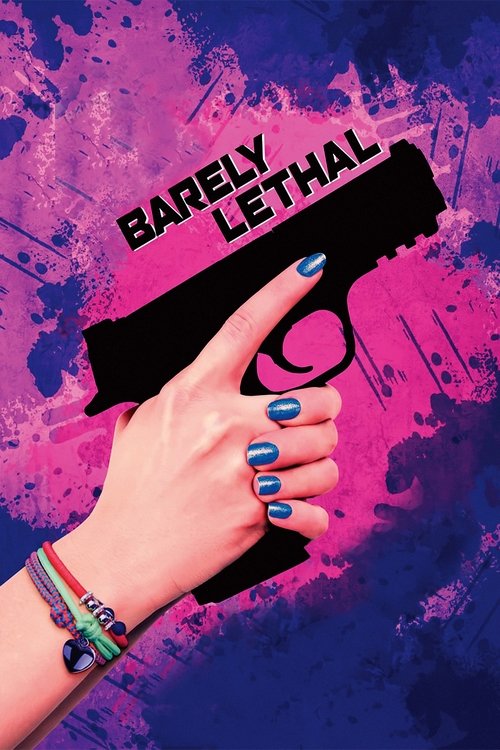
2015
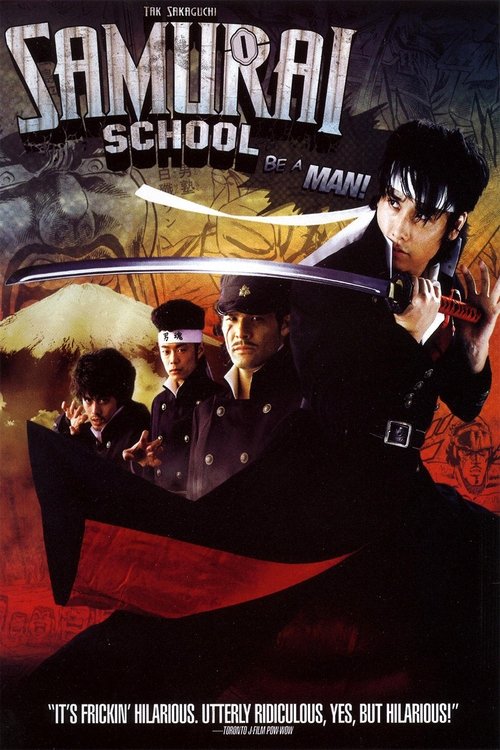
2008
2020
No reviews yet. Be the first to share your thoughts on this movie!
Use the rating form above to leave a star rating and optional review.