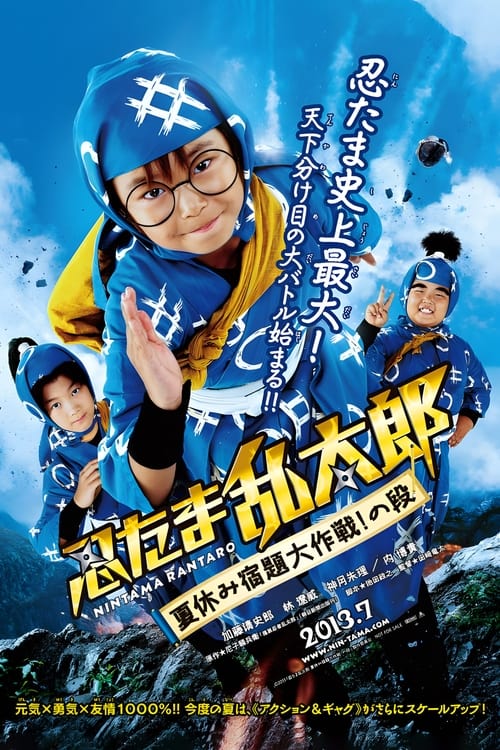
Ninja Kids!!! Summer Mission Impossible
2013
No user ratings available yet
Representation score: 3.0 out of 10

Representation Score
Limited
1998
Director
Hiroyuki Nakano
Runtime
111 minutes
Average Rating
No ratings yetNew Showbiz Analysis
Samurai Fiction operates as a standard genre piece that adheres to the conventional narrative structures of late-90s action-comedy. While it provides a non-Western perspective through its Japanese production and samurai setting, it lacks intentional representation that reflects multiple aspects of diversity. The film's focus on a warrior-in-training and his bumbling male companions suggests a reliance on traditional masculine archetypes. Without evidence of systemic subversion or the inclusion of underrepresented identities, the film remains a culturally specific but potentially homogeneous production.
Category Breakdown
The film focuses on traditional camaraderie among a group of male friends. There is no explicit evidence of non-straight identities or critiques of the assumption that everyone is straight.
The narrative centers on a male-centric group dynamic. It leans into traditional masculine clichés of the action-comedy genre without challenging gender hierarchies.
As a Japanese production, the film centers a non-Western cultural framework. However, the cast's specific ethnic composition and the way different parts of their identity overlap remain unverified.
The samurai motif provides a non-Western lens, but the film lacks evidence of systemic critiques. The comedic tone follows traditional storytelling structures.
The synopsis provides no information regarding characters with visible or invisible disabilities. No assessment of their roles or the use of clichés is possible.
Present on Screen
Limited or Absent
Official Synopsis
A warrior-in-training and his bumbling friends go in pursuit of a stolen sword.
2013
1982
2008
1962

2005

2020
2001

1997
No reviews yet. Be the first to share your thoughts on this movie!
Use the rating form above to leave a star rating and optional review.