Badjao
1957
No user ratings available yet
Representation score: 3.8 out of 10
Representation Score
Minimal
1936
NRDirector
Henry King
Runtime
84 minutes
Average Rating
No ratings yetNew Showbiz Analysis
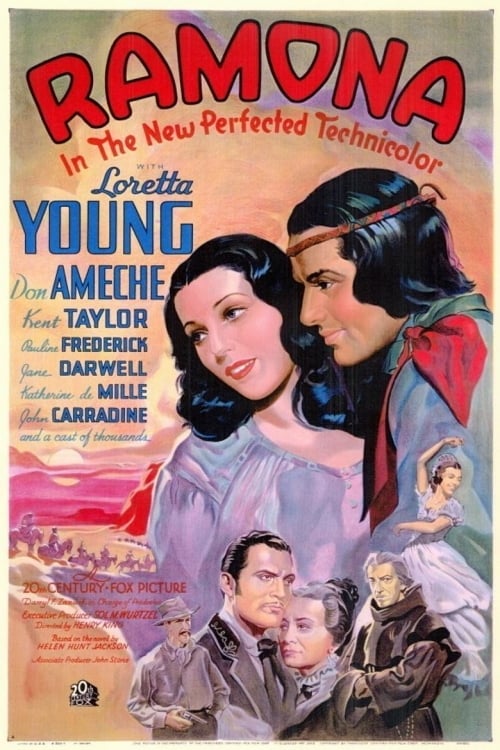
Ramona (1936) is a period melodrama that uses social and racial friction to fuel its romantic plot. While it introduces a protagonist of mixed heritage, the film remains anchored in the traditionalist storytelling of the mid-1930s. The representation serves the plot rather than offering progressive social commentary. The film adheres to established Hollywood conventions, focusing on conventional moral structures and romantic melodrama. Ultimately, the work lacks the intentionality needed to disrupt social hierarchies or provide a nuanced critique of the systemic forces affecting its characters.
Category Breakdown
The film follows a strictly heterosexual romantic framework. There is no presence of same-sex intimacy or non-binary gender identities.
Ramona displays significant control over her romantic choices. However, her character remains tied to era-specific clichés where women's roles are defined by domestic conflict and devotion.
The story explores racial mixing through a mixed-heritage protagonist. Yet, these themes function primarily as romantic obstacles rather than a critique of broader racial hierarchies.
The narrative emphasizes social standing and community expectations within a traditionalist framework. It lacks any anti-Western or anti-capitalist critique, focusing instead on romantic propriety.
No visible or invisible disabilities are identified within the character arcs or the narrative.
Present on Screen
Limited or Absent
Official Synopsis
Half-Indian girl brought up in a wealthy household is loved by the son of the house against his family's wishes and loves another Indian employed by the household.
1957
1959
1951
1946
1940
1931
1953
1991
No reviews yet. Be the first to share your thoughts on this movie!
Use the rating form above to leave a star rating and optional review.