
White Shadows in the South Seas
1928
No user ratings available yet
Representation score: 2.9 out of 10
Representation Score
Limited
1937
ApprovedDirector
Arthur Greville Collins
Runtime
73 minutes
Average Rating
No ratings yetNew Showbiz Analysis
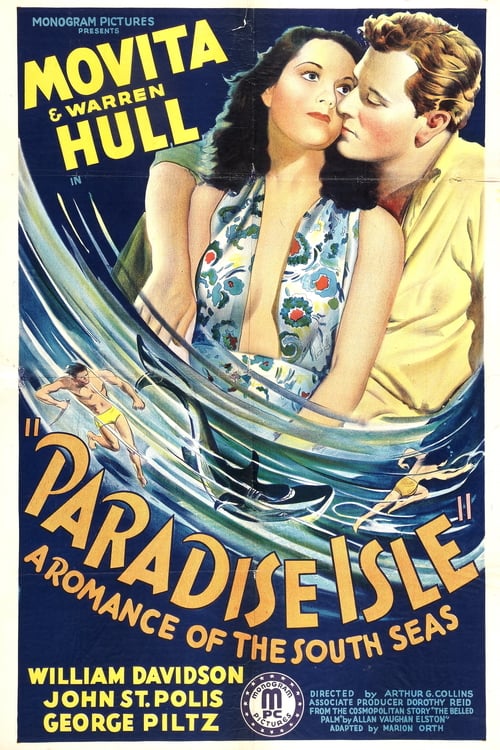
Paradise Isle is a product of its time, utilizing standard 1930s Hollywood storytelling techniques. While it offers some visibility for disability and non-white leads, these elements function within a framework of escapism rather than social subversion. The film relies heavily on the 'exotic other' archetype, which can reinforce colonialist power dynamics. The central romance follows a predictable, straight-centered structure typical of the era's genre-driven storytelling.
Category Breakdown
The film centers around a traditional romantic relationship between a male and a female character. There are no visible LGBTQ+ identities or narratives that challenge the assumption that everyone is straight or cisgender.
The story follows a conventional romantic structure focused on a female lead. However, the framework suggests a traditional dynamic that aligns with 1930s gender roles.
The film includes a non-white female lead, providing some racial inclusion for the era. However, the narrative risks reinforcing colonialist clichés through the 'stranded traveler and native' dynamic.
The plot emphasizes romantic escapism rather than social critique. It adheres to Western-centric perspectives common in 1930s adventure cinema.
The protagonist is a blind artist, providing visibility for a sensory disability. Such depictions often serve as plot devices to heighten vulnerability or facilitate specific character arcs.
Present on Screen
Limited or Absent
Official Synopsis
Stranded on an island, a blind artist (Warren Hull) falls in love with a native (Movita).
1928
1931

1964
1963
1935
1991
1963
1943
No reviews yet. Be the first to share your thoughts on this movie!
Use the rating form above to leave a star rating and optional review.