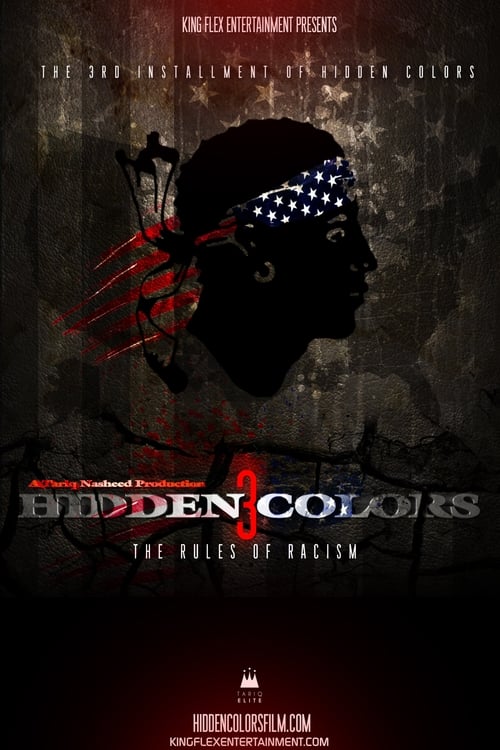
Hidden Colors 3: The Rules of Racism
2014
No user ratings available yet
Representation score: 4.4 out of 10
Representation Score
Excellent
2022
PG-13Director
Sarah Kunstler, Emily Kunstler
Runtime
117 minutes
Average Rating
No ratings yetNew Showbiz Analysis
This documentary serves as a rigorous deconstruction of American history, reframing racial prejudice as a foundational institutional component rather than a series of isolated events. It excels by moving Black and Indigenous voices from the periphery to the absolute center of the narrative. The film's strength lies in its sophisticated systemic analysis. By using scholarly testimony and archival footage, it effectively challenges traditional patriotic clichés and the perceived stability of Western institutions. However, the scope is specialized. While the commitment to overlapping aspects of identity is strong, the film lacks deep, explicit specialization in LGBTQ+ or disability-specific narratives, which limits its breadth in those specific areas.
Category Breakdown
The film recognizes the overlapping aspects of LGBTQ+ identities but does not give priority to specific LGBTQ+ stories. Queer identities are part of the broader context of underrepresented resistance without being central.
Female historians, activists, and scholars are highlighted throughout the documentary. Their roles ensure that women play active roles in intellectual and social critique rather than passive subjects.
The documentary achieves excellent representation by focusing on the experiences of Black, Indigenous, and other people of color. It uses non-Anglo-Saxon perspectives to challenge the myth of color-blindness and highlight systemic power distribution.
The film explores how Western institutions, including religious structures, have contributed to oppression. It uses a framework of moral complexity to critique the mechanisms of systemic violence.
There is no significant or explicit focus on neurodivergence or physical disability. Disability is not used as a primary lens for analyzing overlapping aspects of identity in this work.
Present on Screen
Limited or Absent
Official Synopsis
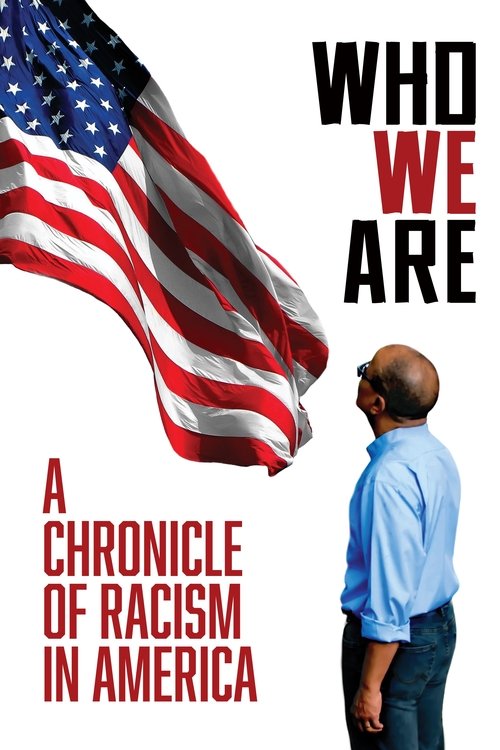
Jeffery Robinson's talk on the history of U.S. anti-Black racism, with archival footage and interviews.
2014
2012

2021
2009
2022
2017
2016
2016
No reviews yet. Be the first to share your thoughts on this movie!
Use the rating form above to leave a star rating and optional review.