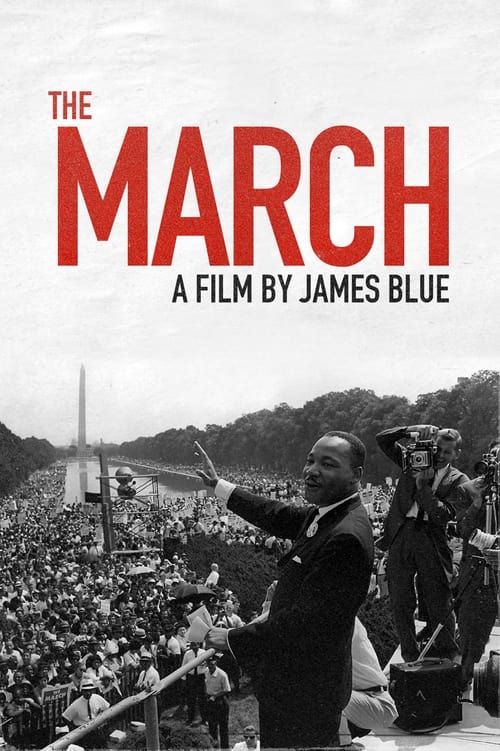
The March
1964
No user ratings available yet
Diversity score: 6.8 out of 10
No Poster Available
2013
TV-PGDirector
John Akomfrah
Runtime
60 minutes
Average Rating
No ratings yetSynopsis
The March is the feature documentary narrated by Denzel Washington about the renowned and historic 1963 March on Washington for Jobs and Freedom.
Overall Score
Good
Category Breakdown
LGBTQ+ Representation
The film maintains a neutral stance regarding queer identities. While it avoids derogatory tropes, it does not explicitly center LGBTQ+ narratives as a primary driver of the historical examination.
Gender Representation
The documentary disrupts 'Great Man' history by integrating the presence of women. Archival footage highlights female activists, challenging patriarchal tendencies to attribute systemic change solely to male leaders.
Racial & Ethnic Diversity
The work excels by treating Black American identity as the central protagonist. It uses archival footage to reclaim agency and focuses heavily on the struggle against systemic racial hierarchies.
Religious & Cultural Diversity
The film explores the tension between religious institutions and secular demands for justice. It critiques Western democratic institutions by highlighting the gap between American ideals and lived realities.
Disability Representation
Disability is present as part of the broader human condition of the era. However, the film does not center neurodivergence or physical disabilities as distinct narrative arcs.
Strengths
Areas for Improvement
AI Analysis
John Akomfrah’s documentary is a sophisticated deconstruction of the 1963 March on Washington. It moves beyond linear history to explore collective agency and systemic power through a multi-layered montage of archival footage. The film's greatest strength lies in its centering of Black American identity and its refusal to rely on traditional Western exceptionalism. By highlighting female activists, it provides a more nuanced view of the civil rights movement than standard historical accounts. While the film is a powerful tool for reclaiming racial agency, it remains focused on the broad socio-political objectives of the era. Consequently, specific identities like LGBTQ+ or disabled individuals are not treated as primary narrative vectors.
1964

2019
2020
2015
1999
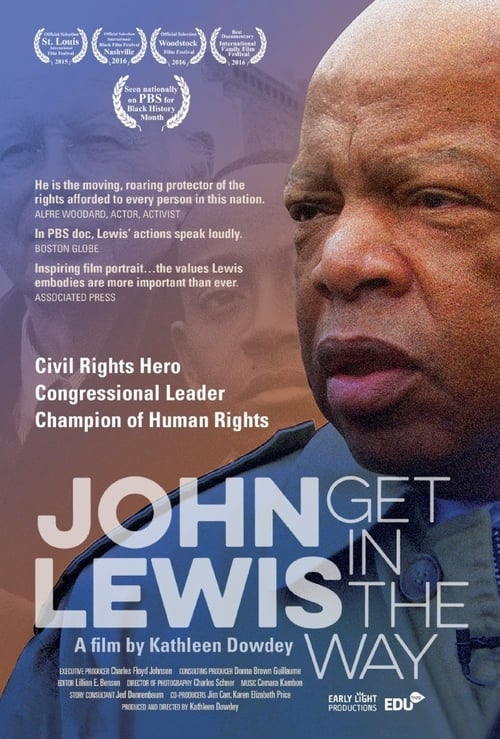
2017
2018
2020
2020
2017

2021

2021
No reviews yet. Be the first to share your thoughts on this movie!
Use the rating form above to leave a star rating and optional review.