Louder Than a Bomb
2011
No user ratings available yet
Representation score: 8.1 out of 10
Representation Score
Excellent
2020
TV-GDirector
Amy Schatz
Runtime
58 minutes
Average Rating
No ratings yetNew Showbiz Analysis
Amy Schatz’s documentary succeeds by positioning youth as active participants in social justice discourse rather than passive subjects. By centering the Oakland MLK Oratorical Fest, the film provides a platform for underrepresented voices to navigate and critique systemic structures through rhetoric. The film excels in racial and ethnic representation, mirroring the demographic reality of Oakland. It allows students of color to define their own experiences and challenge historical inequities who play a significant role in driving the story. While the film is inclusive, it lacks specific focus on LGBTQ+ storylines or dedicated arcs for disabilities. It focuses primarily on the oratorical tradition and civil rights legacy.
Category Breakdown
The film maintains a neutral and inclusive atmosphere throughout, without focusing on specific LGBTQ+ identities or storylines.
The narrative elevates the intellectual authority of young students regardless of gender, highlighting the leadership and rhetorical skills of female and non-binary youth.
The film presents a predominantly Black and diverse cast reflecting Oakland's demographics. Students use their racial identity as a dynamic tool to critique systemic inequities.
The documentary engages deeply with social justice and systemic critique, prioritizing lived community experiences over traditional institutional morality or Western power structures.
The film touches on socioeconomic and personal struggles inherent to urban youth. However, dedicated arcs for specific visible or invisible disabilities are not a primary focus.
Present on Screen
Limited or Absent
Official Synopsis
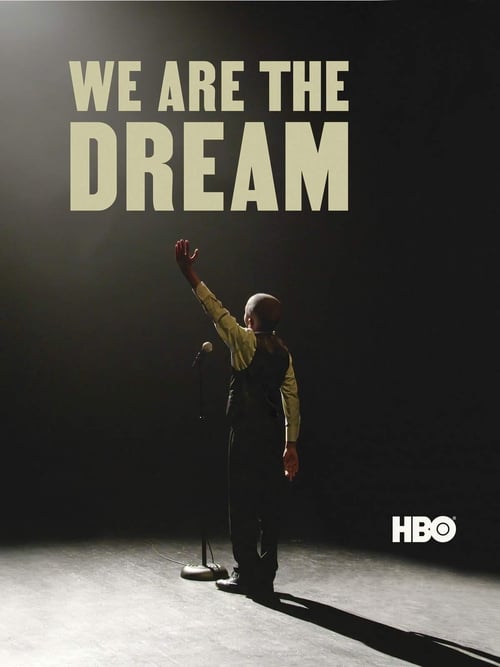
Every year, hundreds of children from pre-K through 12th grade take the stage at the Oakland MLK Oratorical Fest, a public speaking competition where they perform poetry and speeches inspired by the legacy of Dr. Martin Luther King Jr. The film covers the months leading up to the 40th annual festival, as schools across the city send their top-placing students to compete. It is a portrait of young people raising their voices about issues they care about and of the unique community that celebrates and supports them.
2011
2020
2020
2020
2023

2015
2017
2002
No reviews yet. Be the first to share your thoughts on this movie!
Use the rating form above to leave a star rating and optional review.