Civil: Ben Crump
2022
No user ratings available yet
Representation score: 8.7 out of 10
Representation Score
Excellent
2019
TV-MADirector
Teddy Kunhardt, George Kunhardt, Peter W. Kunhardt
Runtime
102 minutes
Average Rating
No ratings yetNew Showbiz Analysis
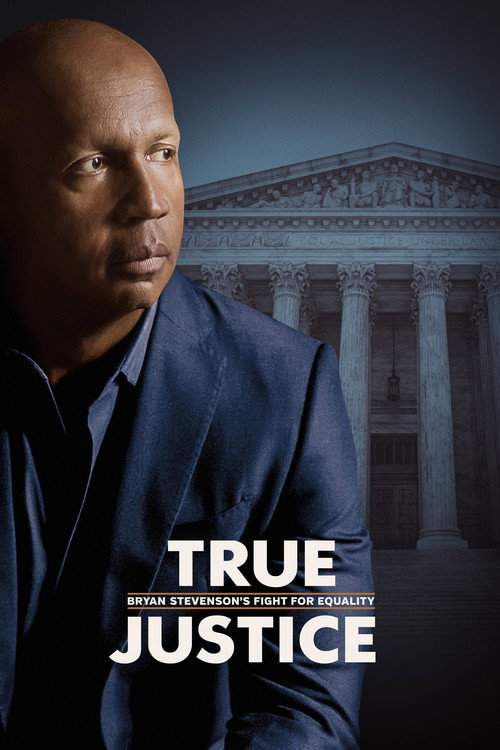
True Justice: Bryan Stevenson's Fight for Equality is a sophisticated structural critique of the American legal framework. It moves beyond a standard biography to examine how institutional power dynamics and historical racial inequities shape the justice system. The film excels by centering the lived experiences of Black Americans and deconstructing systemic racism through archival testimony. This intentionality elevates the documentary into a profound examination of social hierarchies. However, the narrative's narrow focus on race and class results in less representation for LGBTQ+ identities and specific disability-driven storylines. The film remains primarily rooted in the professional, masculine-coded world of litigation.
Category Breakdown
The documentary does not prominently feature LGBTQ+ narratives or identity-driven character arcs. Instead, it focuses on the intersections of race, class, and the carceral state.
The film operates within masculine-coded legal and state spheres. While it highlights Stevenson’s leadership, it prioritizes the subversion of racial hierarchies over examining gendered roles.
This film's greatest strength lies in its focus on Black lived experiences and the history of racial terror. It uses archival footage to provide deep, agentic portrayals of underrepresented individuals.
The narrative rigorously critiques Western institutions like the American criminal justice system. It prioritizes human rights and situational ethics over rigid state or religious moralities.
The film touches upon the vulnerabilities of incarcerated populations but lacks specific, agentic portrayals of individuals with physical or neurodivergent disabilities.
Present on Screen
Limited or Absent
Official Synopsis
An intimate portrait of Alabama public interest attorney Bryan Stevenson, founder and executive director of the Equal Justice Initiative, who for more than three decades has advocated on behalf of the poor, the incarcerated and the condemned, seeking to eradicate racial discrimination in the criminal justice system.
2022
2012

2017

2020

2007

2020

2019

2012
No reviews yet. Be the first to share your thoughts on this movie!
Use the rating form above to leave a star rating and optional review.