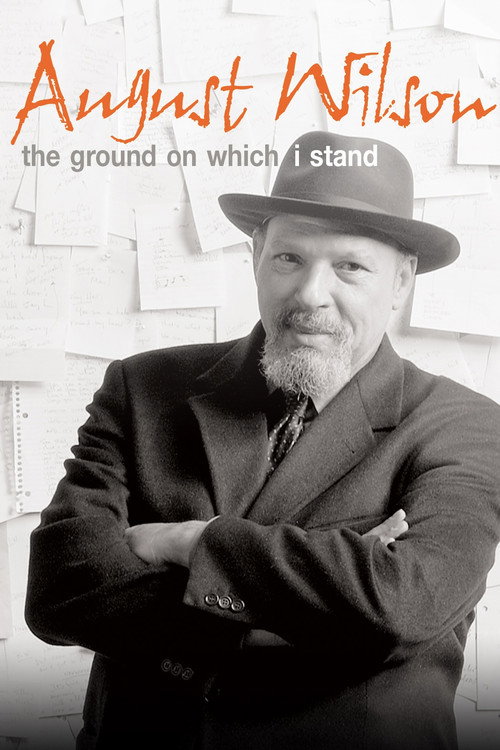
August Wilson: The Ground on Which I Stand
2015
No user ratings available yet
No diversity score available
2021
Director
Sam Pollard
Runtime
85 minutes
Average Rating
No ratings yetSynopsis
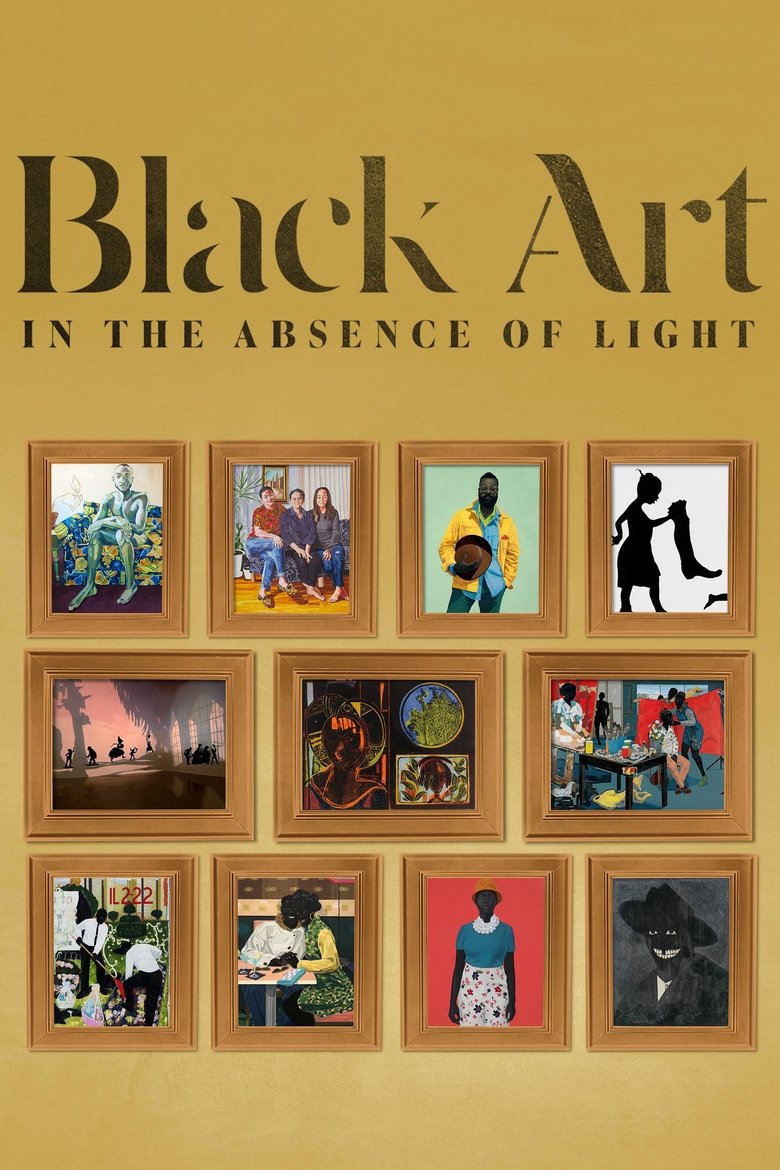
An introduction to the work of some of the foremost Black visual artists working today, inspired by the late David Driskell's landmark 1976 exhibition, "Two Centuries of Black American Art."
Overall Score
Good
Category Breakdown
LGBTQ+ Representation
The film offers moderate potential for representation through the intersectional identities found within the art community. However, there is no explicit depiction of non-cisnormative identities or same-sex intimacy.
Gender Representation
The documentary challenges patriarchal art history by elevating Black women artists. It grants these creators significant agency and intellectual authority, disrupting traditional gender hierarchies.
Racial & Ethnic Diversity
The film achieves exceptional representation by centering a non-white majority. It functions as a direct reclamation of space, ensuring Black agency and depth drive the narrative.
Religious & Cultural Diversity
The work prioritizes Black visual language and lived experiences over Western aesthetic norms. It critiques traditional institutions by emphasizing cultural specificity and systemic histories.
Disability Representation
There is no explicit evidence regarding the portrayal of neurodivergence or physical disabilities. The film lacks verifiable data concerning the inclusion of artists with visible or invisible disabilities.
Strengths
Areas for Improvement
AI Analysis
Black Art: In the Absence of Light is a powerful reclamation of the visual canon. By drawing inspiration from David Driskell’s landmark 1976 exhibition, the documentary centers Black creators who have been historically sidelined by mainstream institutions. The film excels in racial and cultural representation, using Black visual language to disrupt Western art history. It provides a sophisticated framework for understanding identity through the lens of systemic visibility. While the documentary is a triumph for racial equity, it lacks specific evidence regarding disability representation or explicit LGBTQ+ depictions. It remains a specialized exploration of Black artistry rather than a broad intersectional survey.
2015
2008

2021
2022
2017

2019
2018
2013
2021

2015
2020
2022
No reviews yet. Be the first to share your thoughts on this movie!
Use the rating form above to leave a star rating and optional review.