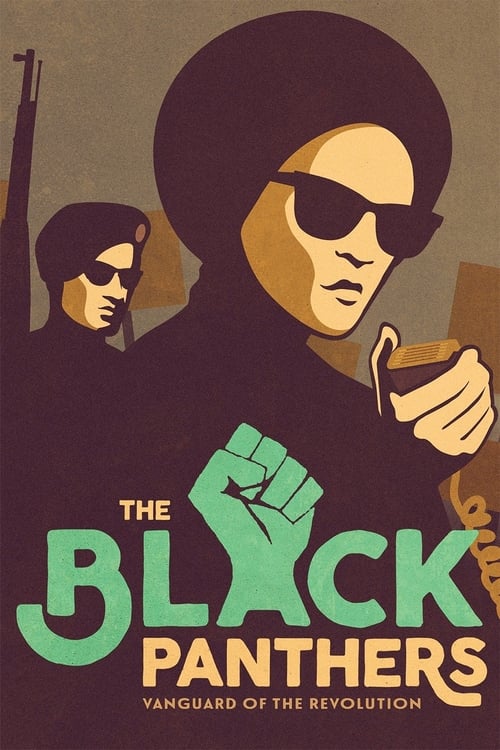
The Black Panthers: Vanguard of the Revolution
2015
No user ratings available yet
Representation score: 9.3 out of 10
Representation Score
Excellent
2017
Director
Stanley Nelson
Runtime
85 minutes
Average Rating
No ratings yetNew Showbiz Analysis
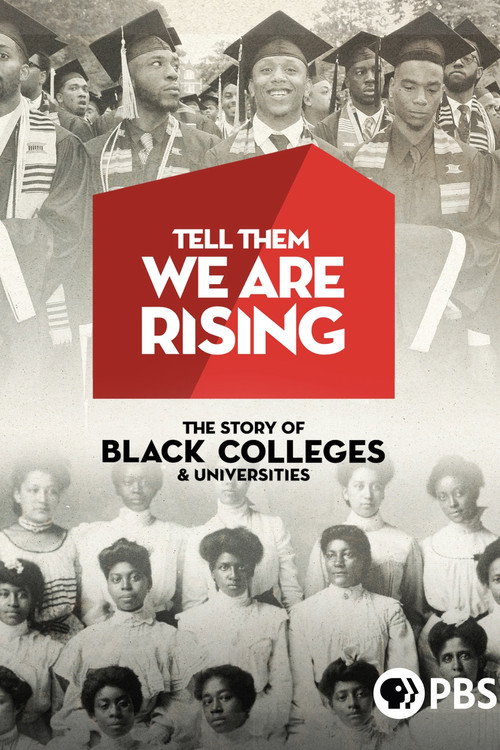
Stanley Nelson’s documentary is a powerful reclamation of history that centers Black intellectual sovereignty. By focusing on the unique architecture of HBCUs, the film successfully disrupts traditional, white-centric educational narratives. It moves beyond simple inclusion to present these institutions as vital sites of resistance. While the film excels in racial and cultural depth, it remains narrow in its scope regarding other multi-layered identities. The narrative prioritizes the collective struggle for racial equity over individual explorations of gender non-conformity or disability. Ultimately, the work serves as a profound examination of institutional resilience. It provides a necessary counter-narrative to the standard American educational canon by highlighting the ability to act of Black scholars and leaders.
Category Breakdown
The documentary focuses on the historical and institutional evolution of HBCUs. It does not prominently feature LGBTQ+ or non-binary identities in its main storyline.
The film highlights women who have held significant leadership and intellectual positions. By featuring female administrators and scholars, the narrative challenges traditional hierarchies that typically center male authority.
This is the film's primary strength, centering almost entirely on Black identity. It presents a majority-Black intellectual landscape, reclaiming a history that was systematically suppressed.
The documentary critiques the segregated American educational system of the Jim Crow era. It frames the struggle for education through identity-based power dynamics and autonomous cultural spaces.
The film addresses socioeconomic and systemic barriers but lacks a dedicated focus on visible or invisible disabilities. Representation remains centered on racial and institutional history.
Present on Screen
Limited or Absent
Official Synopsis
A haven for Black intellectuals, artists and revolutionaries—and path of promise toward the American dream—Black colleges and universities have educated the architects of freedom movements and cultivated leaders in every field. They have been unapologetically Black for 150 years. For the first time ever, their story is told.
2015
2018
2019
2020
2009
2017
2014
2016
No reviews yet. Be the first to share your thoughts on this movie!
Use the rating form above to leave a star rating and optional review.