The Search For Robert Johnson
1992
No user ratings available yet
Representation score: 5.1 out of 10
Representation Score
Fair
2003
Director
Wim Wenders
Runtime
103 minutes
Average Rating
No ratings yetNew Showbiz Analysis
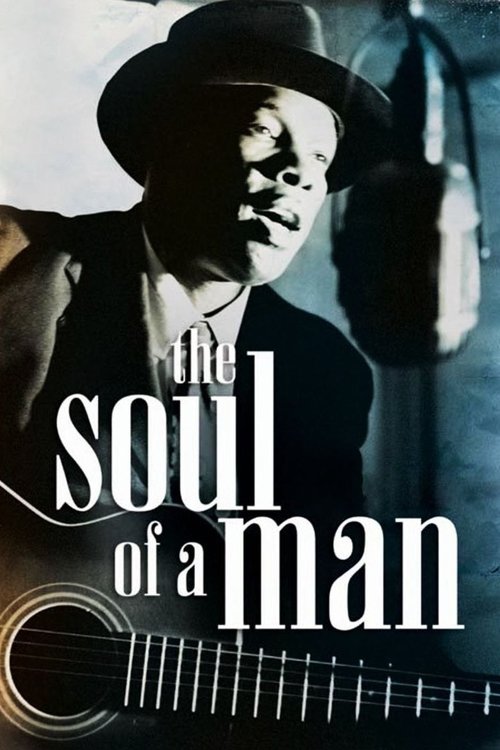
Wim Wenders’ documentary offers a sophisticated look at the blues, focusing on the historical and cultural significance of Black musicians. By combining archival footage with stylized recreations, the film provides a rich context for understanding the lives of Skip James, Blind Willie Johnson, and J.B. Lenoir. The film excels in representing racial and cultural diversity, presenting music as a form of resistance against systemic pressures. However, it remains centered around male figures, reflecting the historical era it depicts. While contemporary female musicians add variety, the core narrative lacks substantial female influence or challenges to traditional gender roles.
Category Breakdown
The film focuses solely on the lives and musical legacies of three male blues artists. There are no LGBTQ+ characters or queer narratives included.
The story centers on male musicians from a historically male-dominated era. Contemporary female performers appear but mainly serve as commentators rather than central figures.
The documentary highlights the lives and musical contributions of Black artists effectively. It uses archival footage and recreations to place these artists in their historical context.
The film examines the tension between the sacred and the secular through a spiritual lens. It portrays the blues as a response to systemic hardships and exclusion.
The film acknowledges the role of sensory disabilities in shaping the artists' identities, such as Blind Willie Johnson. It presents disability as a dignified part of their creative identity.
Present on Screen
Limited or Absent
Official Synopsis
Wim Wenders looks at the dramatic tension in the blues between the sacred and the profane by exploring the music and lives of three of his favorite blues artists: Skip James, Blind Willie Johnson and J. B. Lenoir. Part history, part personal pilgrimage, the film tells the story of these lives in music through an extended fictional film sequence (recreations of '20s and '30s events - shot in silent-film, hand-crank style), rare archival footage, present-day documentary scenes and covers of their songs by contemporary musicians such as Shemekia Copeland, Alvin Youngblood Hart, Garland Jeffreys, Chris Thomas King, Cassandra Wilson, Nick Cave, Los Lobos, Eagle Eye Cherry, Vernon Reid, James "Blood" Ulmer, Lou Reed, Bonnie Raitt, Marc Ribot, The Jon Spencer Blues Explosion, Lucinda Williams and T-Bone Burnett.
1992
2018
2012

2021
1968
1999
2003
2016
No reviews yet. Be the first to share your thoughts on this movie!
Use the rating form above to leave a star rating and optional review.