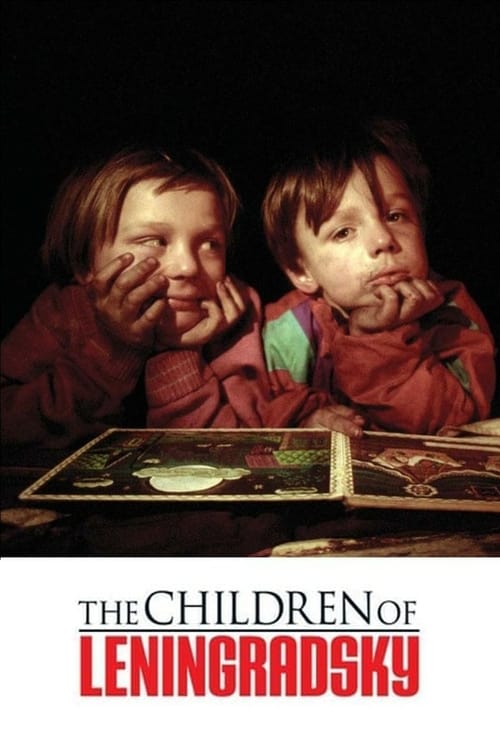
The Children of Leningradsky
2005
No user ratings available yet
Representation score: 7.9 out of 10
Representation Score
Excellent
2014
Director
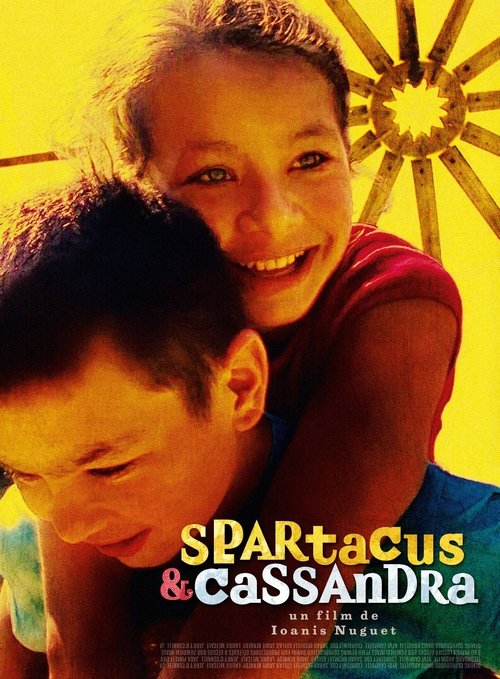
Ioanis Nuguet
Runtime
81 minutes
Average Rating
No ratings yetNew Showbiz Analysis
Spartacus & Cassandra is a powerful observational documentary that highlights the Roma experience with a focus on ability to act rather than victimhood. It effectively challenges the idea of the stable nuclear family by showing the home as a site of dysfunction. The film excels in its nuanced portrayal of ethnic identity and its critique of traditional patriarchal structures. By focusing on the children's struggle for independence, it offers a deep look at underrepresented experiences. While the film does well in racial and cultural representation, it offers less engagement with specific LGBTQ+ identities or disabilities as central themes.
Category Breakdown
The film does not explicitly show LGBTQ+ identities or relationships that aren't based on the assumption that everyone is straight. The story doesn't focus on this particular identity.
The movie challenges traditional gender roles by showing the father as an abusive alcoholic and the mother as someone trying to escape his control.
The documentary highlights the Roma community's journey with strong representation. It focuses on the unique cultural experiences and the challenges of living in France after migration.
The story questions traditional Western institutions, presenting the nuclear family as a place of dysfunction. It emphasizes the subjects' personal experiences over standard social or religious norms.
The film touches upon the psychological impact of trauma and socio-economic hardship. However, it lacks specific evidence regarding neurodivergence or physical disabilities as central character arcs.
Present on Screen
Limited or Absent
Official Synopsis
“When I was one year old I was already walking. At two, I was eating dirt. At three, my father was in prison. At four, I begged with my sister. At seven, I came to France.” Those are the words of Spartacus, a Roma child who, at 13, has already accumulated the experiences of several lifetimes. He and his sister Cassandre, 10, scrape out a living with an alcoholic, melodramatic father and a mother who begs them to free her from her husband’s tyranny. With the help of an exceptional social worker, they manage to detach themselves from their terrible parents and experience childhood as they never could before.
2005
2004
2013
1994
2014
2001
2001
2021
No reviews yet. Be the first to share your thoughts on this movie!
Use the rating form above to leave a star rating and optional review.