Garbage Dreams
2009
No user ratings available yet
Representation score: 7.9 out of 10
Representation Score
Good
2021
Director
Michele Pennetta
Runtime
80 minutes
Average Rating
No ratings yetNew Showbiz Analysis
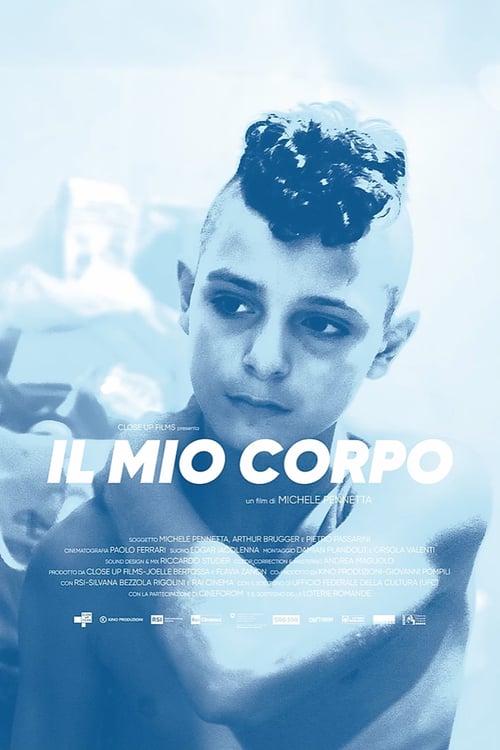
My Body is a compelling documentary that uses the Sicilian landscape to explore tensions arising from diverse identities. By following the parallel lives of a local boy and a Nigerian migrant, the film challenges the idea of a monolithic European identity. The film excels in depicting racial and ethnic diversity within a European context. It avoids including someone from a minority group without giving them real depth, instead giving both subjects significant roles as they navigate systemic exclusion. However, the film remains limited in its representation of LGBTQ+ identities and specific disability narratives. While it offers a deep look at class and migration issues, it does not engage with queer identities or disability representation.
Category Breakdown
The film does not focus on LGBTQ+ identities or non-cisgender expressions. There is no evidence of queer subtext or specific character arcs centered on these identities.
The story centers on male characters, Oscar and Stanley, as they navigate rigid social expectations. It challenges traditional hierarchies by emphasizing labor and survival over patriarchal dominance.
The film stands out by contrasting a local Sicilian youth with a Nigerian migrant. This pairing challenges the notion of a homogeneous Mediterranean identity and explores the impact of post-colonial presence.
The film critiques Western social structures through the tension between religious institutions and the migrant experience. It highlights the friction between individuals and the systemic refusal of their environment.
There is no explicit evidence of characters with visible or invisible disabilities. The film focuses on systemic economic challenges rather than specific disability representation.
Present on Screen
Limited or Absent
Official Synopsis
Oscar, not quite a child anymore, scavenges for scrap metal for his father. He spends his life in improvised landfills among what remains of leftovers. Worlds apart, yet close-by, there is Stanley. He tidies the church in exchange for a monetised hospitality, picks fruits, herds sheep: anything that keep his foreign body busy. Oscar, the young Sicilian, and Stanley the Nigerian don’t seem to have much in common. Except for the feeling of being thrown into the world, to suffer the same refusal, the same overwhelming wave of choices imposed on them by others.
2009
2000
2014
2016
2013
2000
2018
2004
No reviews yet. Be the first to share your thoughts on this movie!
Use the rating form above to leave a star rating and optional review.