Up Syndrome
2000
No user ratings available yet
Representation score: 7.3 out of 10
Representation Score
Excellent
2019
UnratedDirector
Rachel Dretzin
Runtime
93 minutes
Average Rating
No ratings yetNew Showbiz Analysis
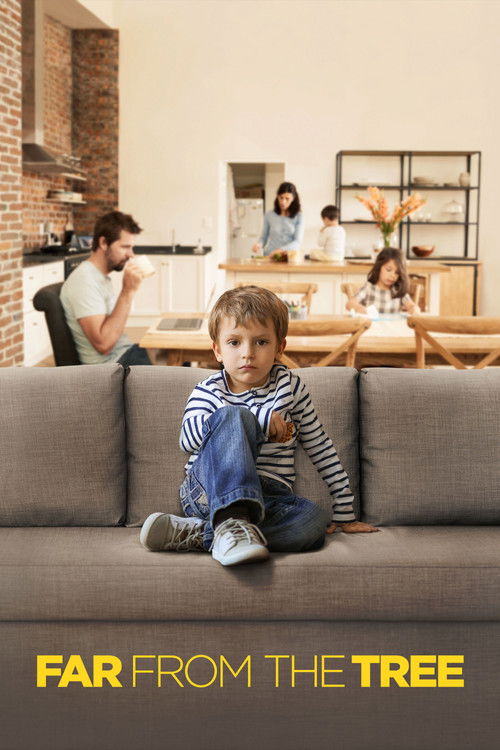
Far from the Tree is a sophisticated sociological study that breaks down the intersection of racial identity and familial belonging. Its main strength is in avoiding a color-blind perspective, instead emphasizing the ability to act of children of color in white-dominated environments. The documentary goes beyond including someone from a minority group without giving them real depth to challenge conventional notions of kinship. Using a mosaic of personal stories, it explores how racial heritage persists and evolves outside of biological ties. While the film delves deeply into issues of race and culture, it remains neutral on LGBTQ+ narratives. The thematic focus is heavily on race, which might overshadow disability narratives.
Category Breakdown
The film does not focus on LGBTQ+ identities or non-traditional gender expressions. Instead, it centers on the racial and developmental intersections of the subjects.
The documentary avoids traditional gender roles by highlighting the individual experiences of parents and children. It emphasizes the emotional labor and vulnerability involved in navigating complex adoptive situations.
The film stands out by focusing on Black and Asian children raised in predominantly white settings. It avoids the color-blind approach, offering a detailed look at how race is perceived and contested.
The narrative questions Western ideas of a unified family by presenting contrasting views from adoptive parents and children. It looks at how institutional identity influences individual experiences.
The film offers meaningful representation of neurodivergence and physical differences such as Down syndrome and dwarfism. It avoids inspiration porn by focusing on the personal ability to act of these individuals.
Present on Screen
Limited or Absent
Official Synopsis
Parents of children who have Down syndrome, dwarfism or autism share intimate stories of the challenges they face. Tracing their joys, challenges, tragedies, and triumphs.
2000
2016
2017
2010
2021
2019
2010
2009
No reviews yet. Be the first to share your thoughts on this movie!
Use the rating form above to leave a star rating and optional review.