
The Lost Children
2024
No user ratings available yet
Diversity score: 7.1 out of 10

2024
RDirector
Emily Kassie, Julian Brave NoiseCat
Runtime
107 minutes
Average Rating
No ratings yetSynopsis
An investigation into abuse and missing children at an Indian residential school in Canada ignites a reckoning on the nearby Sugarcane Reserve.
Overall Score
Good
Category Breakdown
LGBTQ+ Representation
The film explores the lived experiences of community members within the Sugarcane Reserve. However, specific depictions of queer intimacy or non-cisnormative identities are not explicitly detailed.
Gender Representation
Indigenous women appear to lead the reckoning against historical institutions. This focus prioritizes female agency and disrupts patriarchal hierarchies often imposed by colonial administrative structures.
Racial & Ethnic Diversity
The documentary centers an Indigenous-led investigation into colonial systemic failures. It shifts the gaze away from Anglo-centric perspectives to place the agency of People of Color at the center.
Religious & Cultural Diversity
The narrative critiques Western institutions and religious-adjacent educational systems as engines of oppression. It prioritizes a non-Western moral framework to challenge traditional historical sanctity.
Disability Representation
The film examines the profound psychological and intergenerational trauma resulting from systemic abuse. This provides a nuanced look at how institutional violence impacts the human psyche.
Strengths
Areas for Improvement
AI Analysis
Sugarcane is a powerful exercise in decolonial storytelling that centers Indigenous agency. By focusing on the Sugarcane Reserve and the investigation into residential school abuses, the film successfully dismantles Anglo-centric historical narratives. The work excels in racial and cultural representation, using a non-Western moral framework to critique the state and religious institutions. It moves beyond mere observation to provide a profound critique of racialized systemic violence. While the film offers deep insight into intergenerational psychological trauma, it lacks explicit focus on physical disabilities or specific queer identities. This results in a narrative that is highly specialized in its systemic critique.
2024

2021

2020

2022

2017

2019
2017
2021
2015

2018
2017
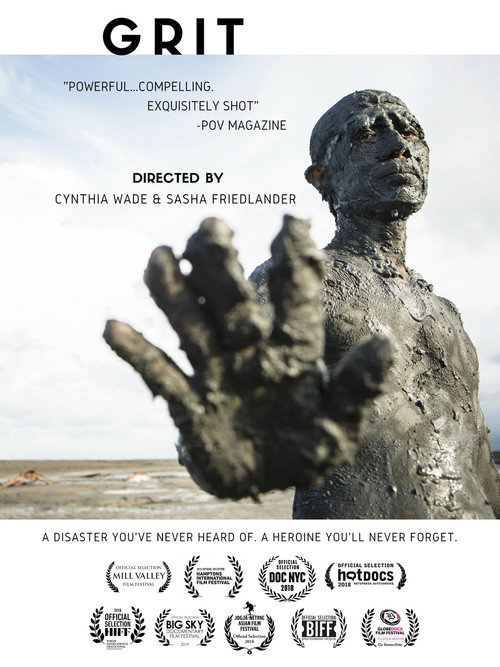
2018
No reviews yet. Be the first to share your thoughts on this movie!
Use the rating form above to leave a star rating and optional review.