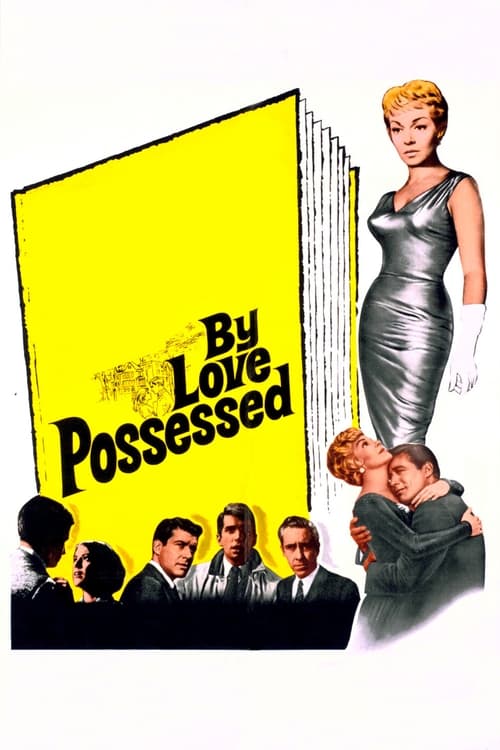
By Love Possessed
1961
No user ratings available yet
Representation score: 1.7 out of 10

Representation Score
Limited
1957
K-16Director
Falk Harnack
Runtime
89 minutes
Average Rating
No ratings yetNew Showbiz Analysis
The film opens in the stark, high-contrast interior of the Eichler household, where hard lighting strips away the warmth of bourgeois respectability. This visual austerity sets the stage for a psychological unraveling, positioning the domestic sphere not as a sanctuary but as a cage of unspoken expectations. Marianne, played by Lilli Palmer, serves as the vibrant center of this decay; her affair with the painter Viktor is not merely a scandal but a necessary rupture in the suffocating normalcy of her marriage. The camera lingers on her with affection, framing her desires as the authentic counterpoint to her husband Friedrich’s rigid, hollow decency. The film’s argument is that the post-war German family unit is a fragile construct maintained by silence and repression. By depicting the husband as emotionally stunted and the "decent" social order as a mask for moral bankruptcy, the narrative inverts traditional gender hierarchies. Marianne is not punished for her transgression; instead, the film suggests that the true violence lies in the expectation of domestic perfection. The "storm" of the title is internal, a metaphor for the psychological pressure that eventually breaks the facade of respectability. In the final frames, the external crisis has only exposed the rot within the family structure. The ending does not offer a romantic resolution or a legal verdict but a lingering look at the faces of the characters, revealing that the pretense of normalcy is more destructive than the affair itself. This 1957 West German drama uses the language of psychological realism to critique the empty rituals of the bourgeoisie, leaving the audience with the understanding that silence and repression are the true sources of domestic decay.
Category Breakdown
The narrative tracks a heterosexual affair between Marianne and Viktor. No queer characters, intimacy, or discussion appear on screen.
Marianne drives the plot through desire while the husband is framed as rigid. The camera favors her as the moral center against domestic stagnation.
The cast is entirely white and German, reflecting the 1957 setting. No non-white characters appear, and race is not a thematic element.
The bourgeois family is depicted as a stifling facade for repressed desires. The film treats secular psychological realism as the truth over marital respectability.
No characters are depicted with physical, sensory, or cognitive disabilities. The drama relies on psychological tension without involving impairment.
Present on Screen
Limited or Absent
Official Synopsis
Despised by her husband and son after an affair, Marianne moves in with her lover, an unsuccessful painter, until she is purified.
1961
1952
1973

1953
1947
1953
1962
1970
No reviews yet. Be the first to share your thoughts on this movie!
Use the rating form above to leave a star rating and optional review.