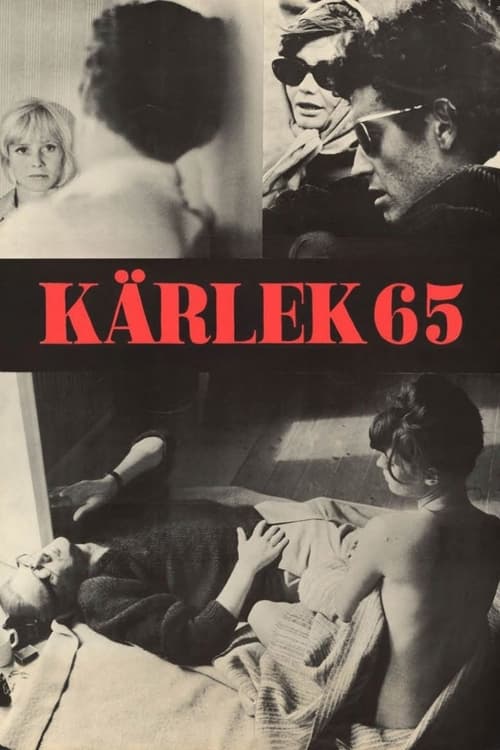
Love 65
1965
No user ratings available yet
Representation score: 4.3 out of 10
Representation Score
Fair
1962
Director
Vilgot Sjöman
Runtime
77 minutes
Average Rating
No ratings yetNew Showbiz Analysis
Vilgot Sjöman’s work challenges the social norms of mid-century Europe. The film highlights female autonomy and questions traditional marriage through a secular, individualistic perspective. However, the narrative is limited by the demographic uniformity of its setting. The absence of racial diversity and explicit LGBTQ+ representation restricts a more inclusive impact. Ultimately, the film offers a focused examination of European social customs. It prioritizes a deep, thought-provoking look at sexual freedom and the rejection of conventional family roles.
Category Breakdown
The film explores heterosexual relationships and extramarital affairs. Although it doesn't include specific LGBTQ characters, it questions the strict social norms of the early 1960s.
The story challenges traditional gender roles by giving the female protagonist a strong role in pursuing her desires. This rejects the idea of a submissive wife and confronts patriarchal structures.
The cast reflects the demographic makeup typical of mid-century Scandinavia. There is no indication of significant racial diversity or a multicultural cast to challenge the period's social norms.
The film criticizes institutional morality by emphasizing secularism and personal ethics over religious constraints. It dismantles the ideal family unit to showcase the complexity of interpersonal relationships.
There is no evidence of characters with visible or invisible disabilities being used as central plot devices or being mocked.
Present on Screen
Limited or Absent
Official Synopsis
A young woman, living in a relationship, falls in love with a married man.
1965
1964

1968
1965

1961
1958

1966
1971
No reviews yet. Be the first to share your thoughts on this movie!
Use the rating form above to leave a star rating and optional review.