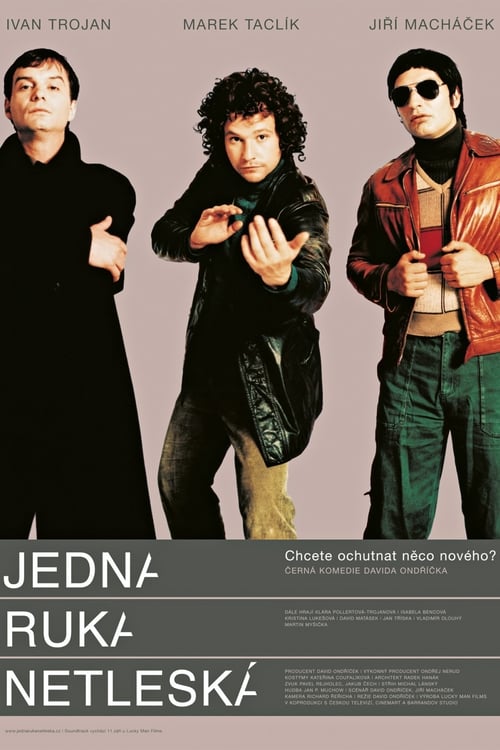
One Hand Can't Clap
2003
No user ratings available yet
Diversity score: 4.8 out of 10
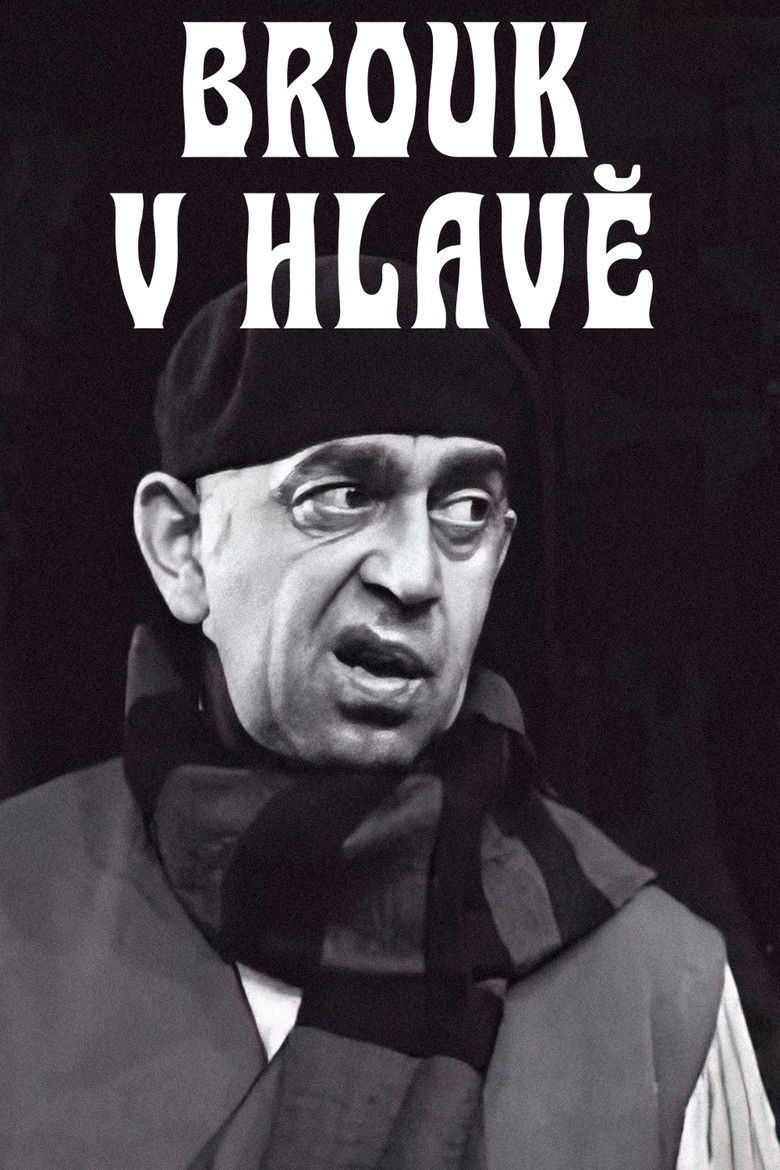
1970
Director
Václav Hudeček
Average Rating
No ratings yetOverall Score
Fair
Category Breakdown
LGBTQ+ Representation
The film lacks explicit queer narratives or non-cisnormative identities. Given the 1970s Czechoslovak context, such depictions were largely absent from mainstream state-sanctioned cinema.
Gender Representation
Female characters appear in comedic roles but often occupy domestic or supporting spheres. The film tends to adhere to the conventional gender roles common in mid-century European comedy.
Racial & Ethnic Diversity
The cast and setting reflect the localized, ethnically homogeneous demographic realities of 1970s Czechoslovakia. There is no evidence of casting that disrupts traditional ethnic norms.
Religious & Cultural Diversity
The film operates within a specific Eastern Bloc socio-political framework. It prioritizes collective identity over bourgeois individualism, offering a cultural specificity that diverges from Western narratives.
Disability Representation
No characters with visible or invisible disabilities are documented as having significant agency. The film lacks nuanced character studies regarding physical or mental differences.
Strengths
Areas for Improvement
AI Analysis
Brouk v hlavě is a product of its historical and geographical era, functioning within the traditional narrative structures of 1970s Czechoslovakia. It lacks the intersectional complexity found in contemporary media, instead reflecting the institutional norms and ideological frameworks of the Eastern Bloc. The film's representation is largely conventional, focusing on localized ethnic identities and traditional social hierarchies. While it offers a distinct cultural perspective compared to Western cinema, it does not intentionally disrupt systemic social or gender norms. Ultimately, the work serves as a reflection of its time, prioritizing regional demographic realities and state-sanctioned comedic tropes over diverse or progressive character portrayals.
2003
1960
1978
1970
1981
1997
1952
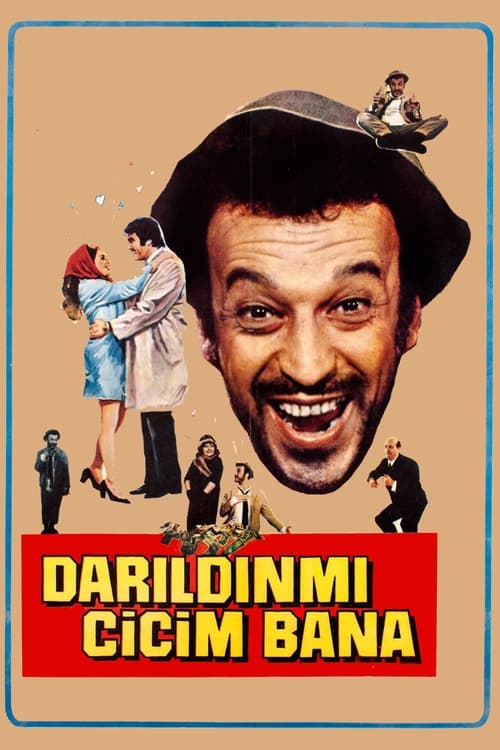
1970

1992
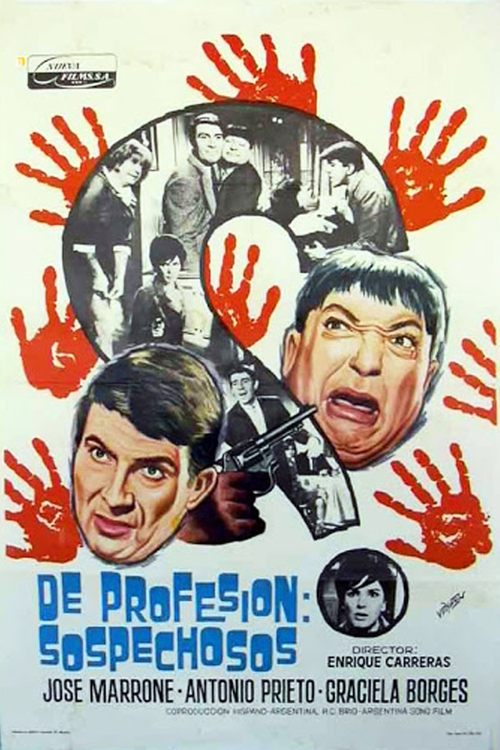
1966
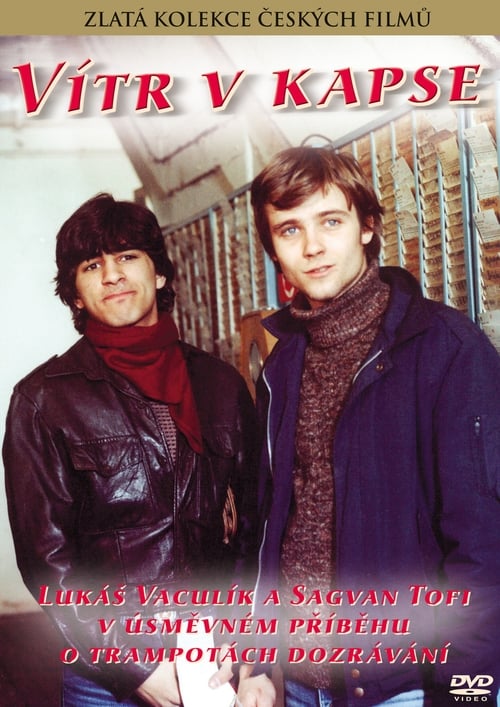
1983
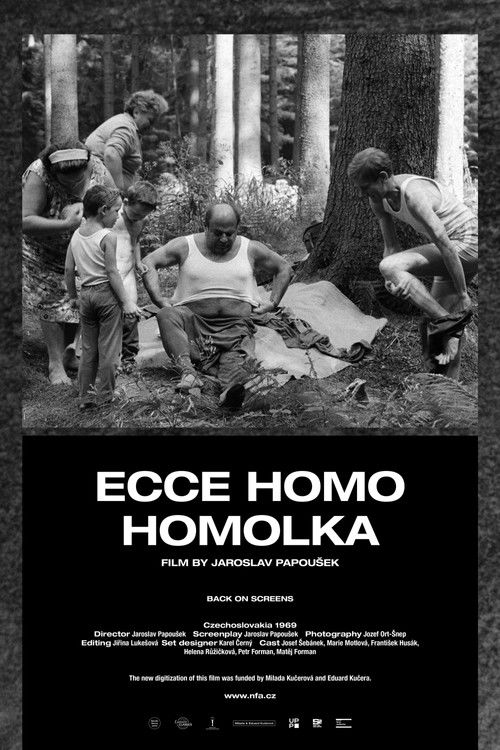
1970
No reviews yet. Be the first to share your thoughts on this movie!
Use the rating form above to leave a star rating and optional review.